
Last updated November 15, 2026
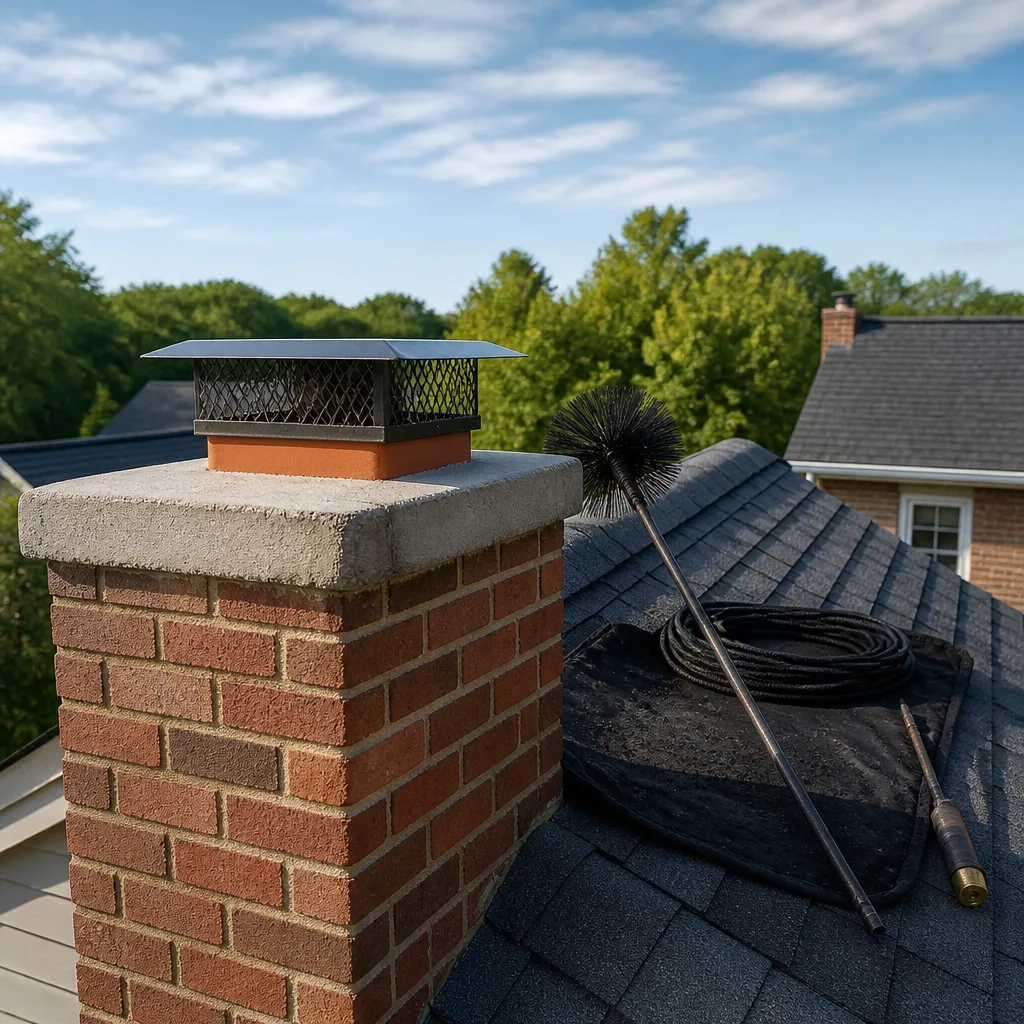 Sweep & inspection
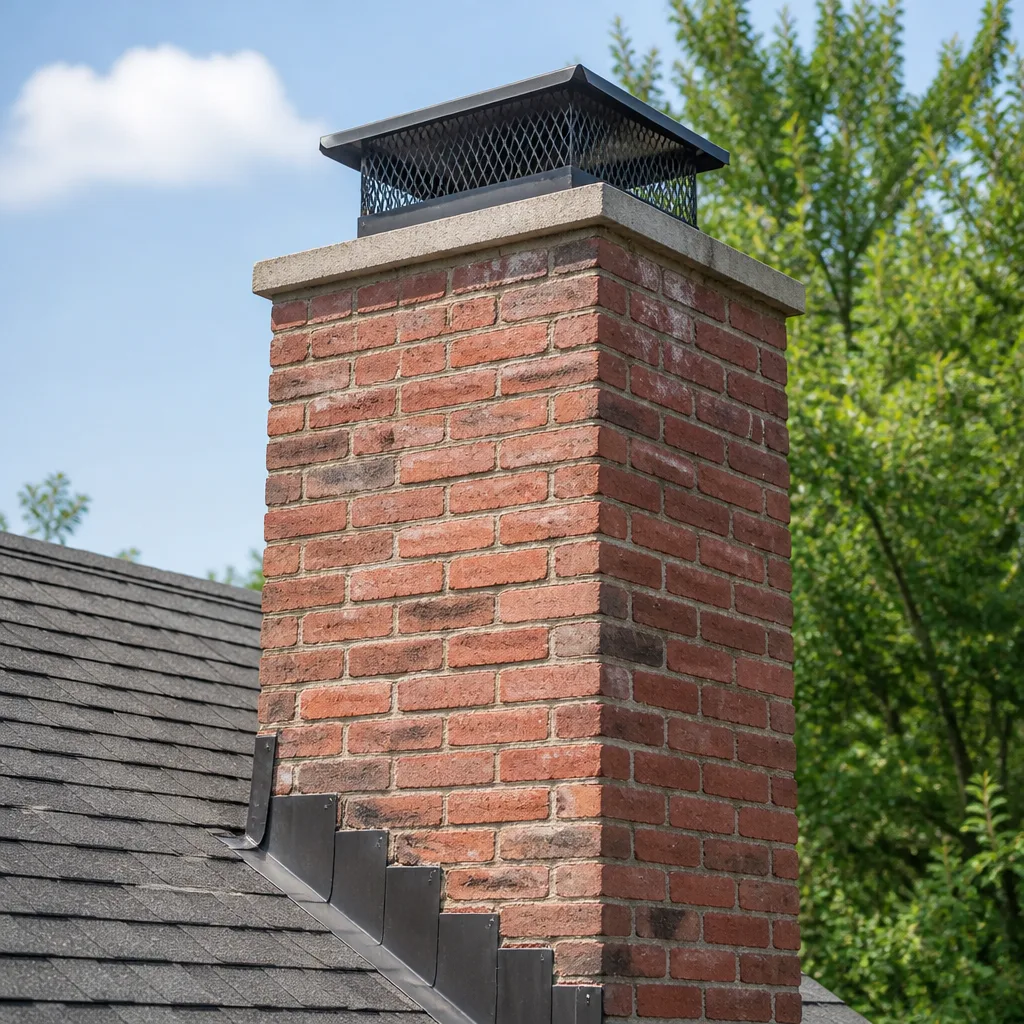 Caps & crowns
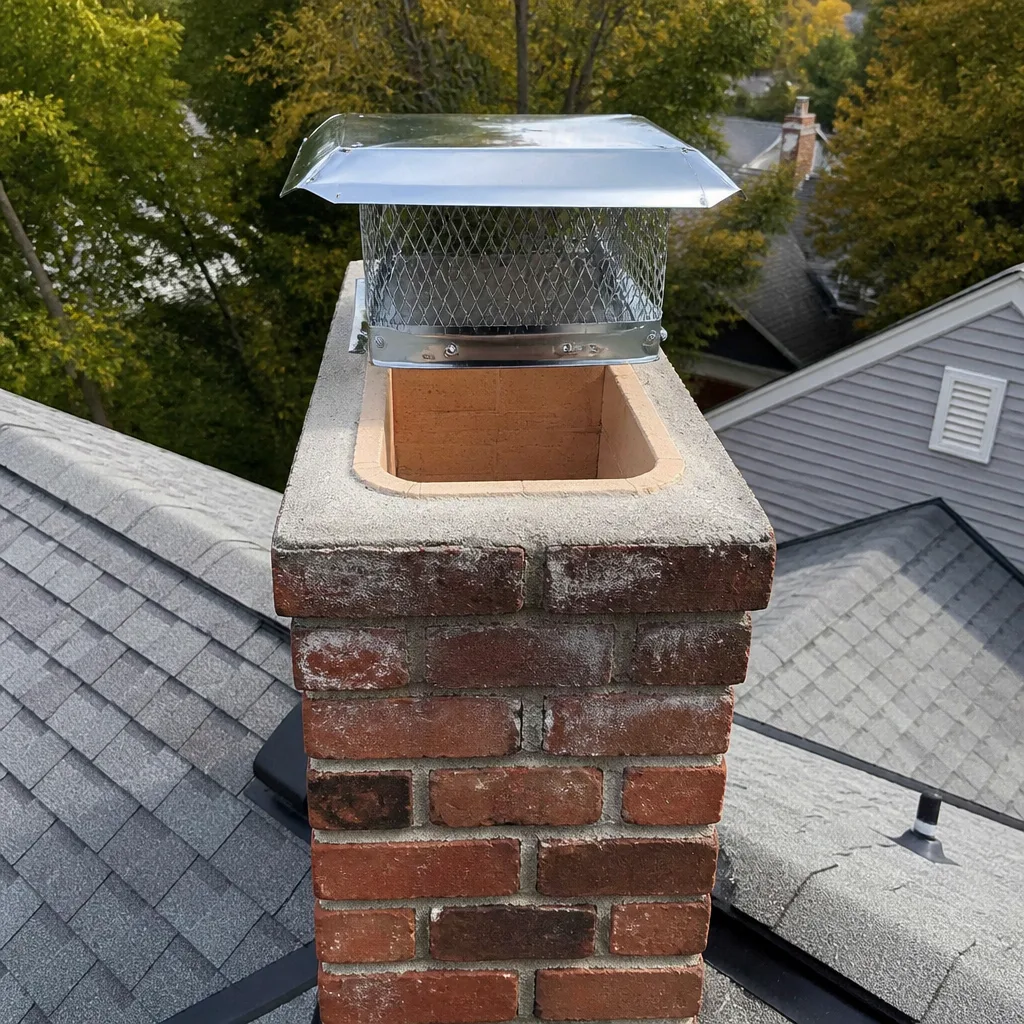 Flue relining
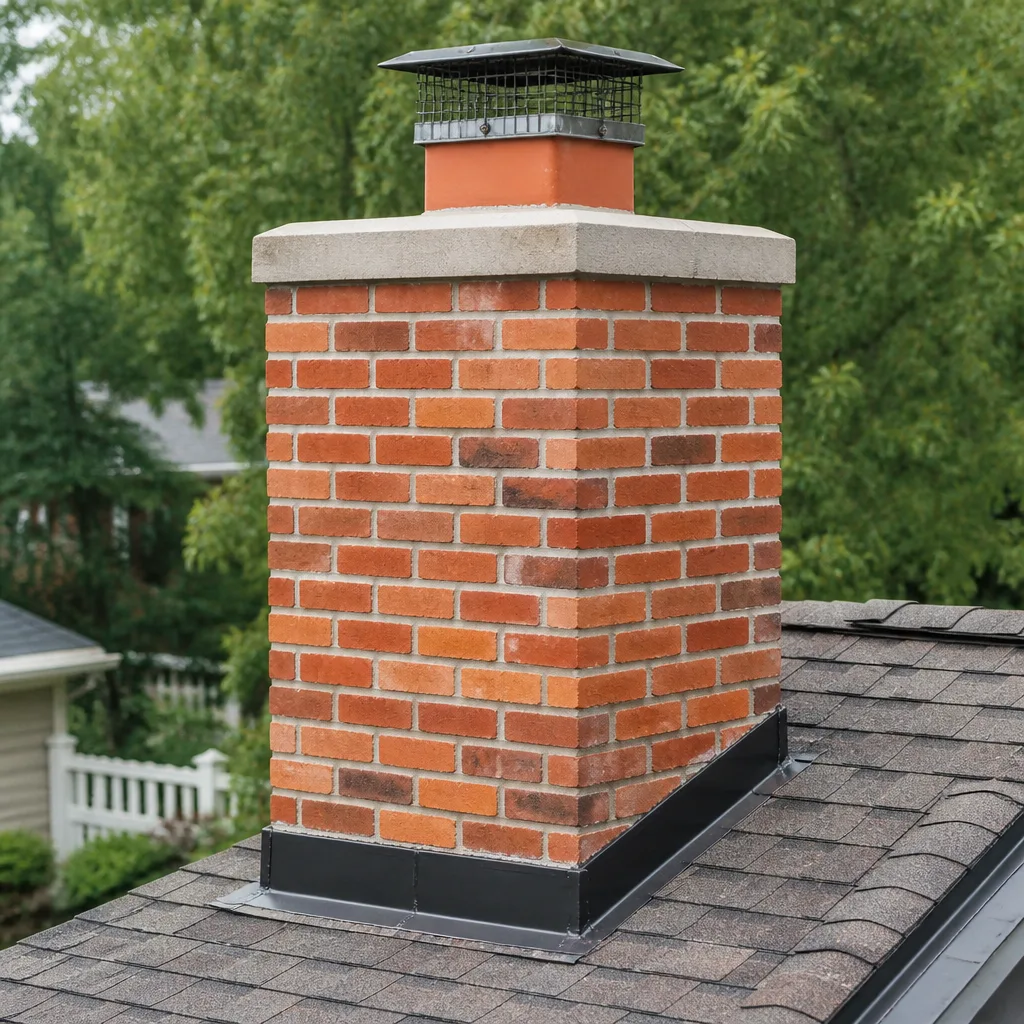 Masonry repair
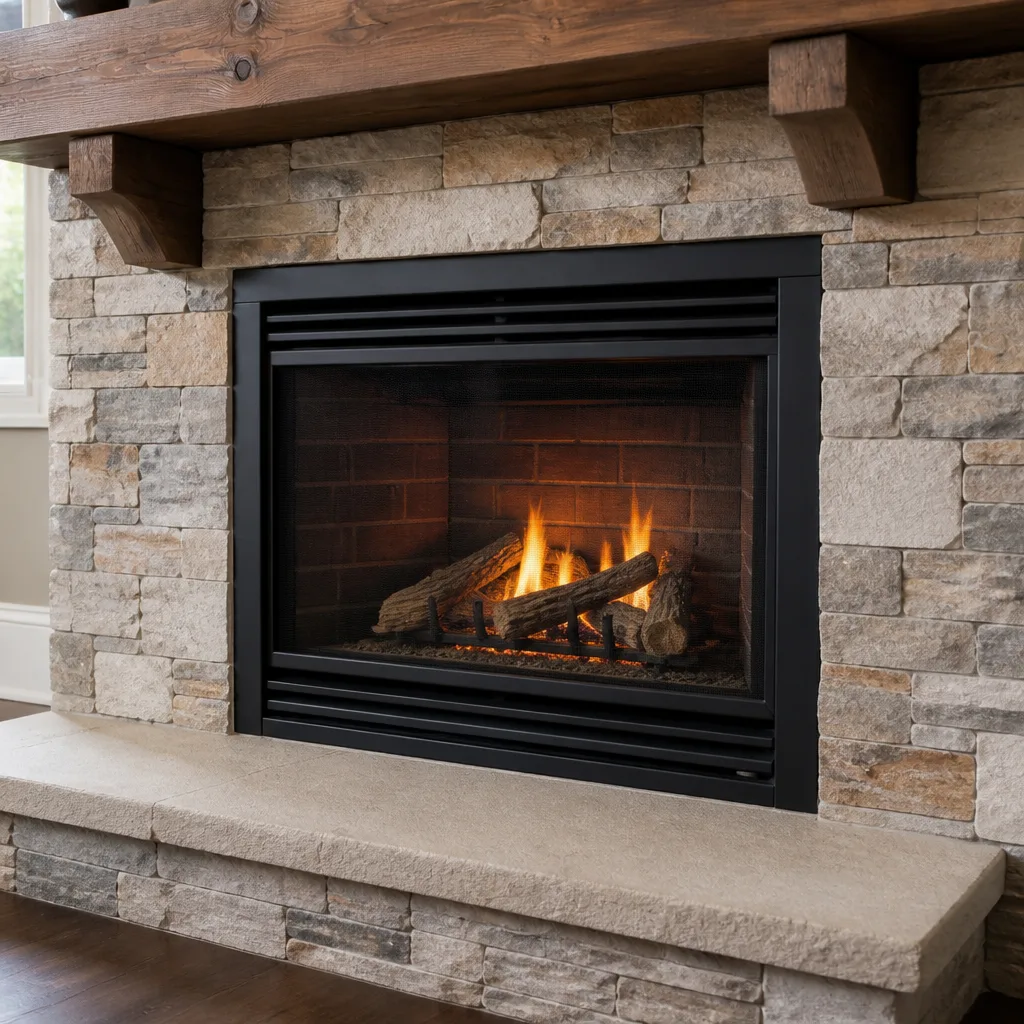 Gas fireplace service
Level 1 sweep and inspection to the NFPA 211 annual standard - flue, crown, cap, and flashing checked and photographed
Chimney sweep logs do not sweep chimneys. They loosen some creosote - which then falls where a brush and vacuum still have to collect it.
The Complete Guide to Chimney Cleaning in The Woodlands
Most chimney fires don’t start in the fireplaces of people who burn wood every cold night. They start in the fireplaces that get lit a handful of times a year – the ones where a fire is built, allowed to smolder, and then left to cool. Smoldering wood at low temperatures lays down the stickiest, most combustible type of creosote there is, and a single season of casual use can build a layer that a hot, clean-burning fire never would. That’s the part nobody tells you when they say “just get it swept.” In this guide we’ll walk through what chimney cleaning in The Woodlands actually involves, how the region’s humid climate changes the picture, and the exact sequence a thorough cleaning visit should follow so you can benchmark anyone you hire.
Quick Answer
Chimney cleaning in The Woodlands means removing soot, creosote, and blockages from the flue and firebox, then confirming the chimney is structurally sound and drafting correctly. A thorough visit includes a camera inspection of the flue, a proper sweep with the right brushes for your liner type, and a smoke draw test at the end – not just a quick brushing. How often you need it depends on how you burn, but in this climate even a lightly used fireplace can build dangerous deposits faster than homeowners expect.
Styles & brands we work with
- Sweep & inspection
- Caps & crowns
- Flue relining
- Masonry repair
- Gas fireplace service
Table of Contents
- Why Chimney Cleaning in The Woodlands Is Different
- Understanding Creosote and Why It’s the Real Enemy
- How Gulf Coast Humidity Accelerates Buildup
- Two Cleaning Profiles in the Same Neighborhood
- The Full Sequence of a Proper Cleaning Visit
- How to Benchmark Any Sweep You Hire
- What a Finished Flue Should Look and Smell Like
- Documenting the Cleaning for Insurance
- Common Mistakes to Avoid
- When to Call a Professional
- Frequently Asked Questions
Why Chimney Cleaning in The Woodlands Is Different
The Woodlands sits in a humid subtropical climate, and that single fact shapes almost everything about how a chimney ages here. We’re not dealing with the deep-freeze winters of the Northeast, where the enemy is ice and freeze damage. Here the enemy is moisture in the air and the slow, quiet deterioration it drives. A chimney in The Woodlands is exposed to warm, humid air for most of the year, and masonry is porous. It draws moisture in, holds it, and over time that moisture finds its way into mortar joints, crown cracks, and the flue itself.
That matters for cleaning because moisture and creosote behave badly together. Creosote that stays damp turns acidic, and acidic deposits eat into masonry and mortar. A flue that looks fine on a quick visual check can be hiding soft mortar behind a soot layer. In The Woodlands, a sweep that only removes what it can see isn’t doing the full job – the inspection side has to be just as rigorous as the cleaning side.
There’s a second layer to this. The Woodlands is heavily wooded, and pine is everywhere. Pine burns hot and fast and throws a lot of creosote, and it’s also the wood most homeowners here end up with. So you have a humid climate combined with a resin-heavy fuel source. That’s a combination that rewards regular, competent cleaning and punishes neglect faster than either factor would alone. Understanding that is the starting point for everything else in this guide. If you want the service-level view of how we approach it, our chimney sweep page covers the practical details.
Understanding Creosote and Why It’s the Real Enemy
Soot is a nuisance. Creosote is the problem. It’s the black, tar-like byproduct of incomplete combustion, and it comes in three forms that behave very differently inside your flue.
- Stage 1 creosote is a light, flaky soot. It brushes off easily and is the least dangerous.
- Stage 2 creosote is a sticky, hardened layer that clings to the flue wall. It’s tar-like, it’s harder to remove, and it’s highly combustible.
- Stage 3 creosote is a glazed, hardened coating that’s essentially baked onto the flue. It’s the most dangerous and the hardest to remove – often it needs chemical treatment or, in bad cases, liner replacement.
Most chimney fires trace back to Stage 2 and Stage 3 buildup igniting. The thing homeowners get wrong is assuming that heavy use causes the worst creosote. The opposite is closer to the truth. Hot, vigorous fires burn cleaner. Smoldering, low-temperature fires – the kind you get when you light a fire, let it die down, and repeat – produce far more of the sticky Stage 2 layer. That’s why a fireplace used six times a year can be in worse shape than one used every cold evening.
In our experience, the fires that cause trouble are the “romantic” ones: a small fire on a cool evening, damp wood, the flue damper cracked down to stretch the burn. Every one of those choices pushes combustion cooler and dirtier. Creosote accumulation is a function of how you burn as much as how often.
When creosote does ignite, it burns at extreme temperatures – hot enough to crack masonry, warp a metal liner, and send fire up through the structure. That’s the real stakes behind a routine cleaning. It’s not about tidiness.
How Gulf Coast Humidity Accelerates Buildup
Here’s where The Woodlands gets specific. In a humid subtropical climate, the air itself carries a lot of moisture, and chimneys are not sealed systems. A masonry chimney pulls humid air in through the porous brick and mortar, and during the warmer months that moisture sits in the flue. When creosote is laid down on top of that moisture, it doesn’t cure into a dry, flaky layer. It stays tacky and acidic, and it grabs the next layer of deposits more aggressively.
The result is that Stage 2 creosote can form faster here than it would in a dry climate, even in a fireplace that isn’t used much. Add to that the shoulder seasons – the stretches here where it’s cool enough to want a fire but warm and damp enough that the chimney never fully dries out – and you get a cycle where deposits accumulate and never get a chance to dry and flake off.
This is also why the “I only burned a few fires last year, I’m fine” logic is unreliable in The Woodlands. The question isn’t just how much you burned, it’s how long those deposits have been sitting in humid air. A single season of sporadic use can leave a sticky layer that’s been quietly curing for months. Then the first cool snap arrives, you build a fire, and that layer gets hot.
We’ve seen the same pattern play out across The Woodlands regardless of fireplace type. The practical takeaway is that annual inspection matters more here, not less. You want to catch Stage 2 buildup while it’s still Stage 2. Once it glazes into Stage 3, cleaning becomes a much bigger job, and sometimes a liner issue. That’s how a routine sweep turns into a chimney repair conversation. Catching it early is the whole game.
Two Cleaning Profiles in the Same Neighborhood
Drive through The Woodlands and you’ll pass two very different kinds of chimney without realizing it. The first is a traditional masonry chimney with a wood-burning fireplace. The second is a gas-log fireplace or insert, often in a newer build, sometimes converted from wood. They need different things, and it’s one of the reasons a one-size-fits-all sweep protocol falls short here.
The wood-burning chimney needs the full treatment: creosote removal, camera inspection, and a check of the firebox, damper, and cap. It’s exposed to the real combustion byproducts, so the inspection has to look for cracked flue tiles, deteriorated mortar, and the condition of any metal liner. The Highpoint Chimney Sweep team treats the inspection and the cleaning as one job because you can’t do one well without the other.
The gas-log fireplace looks low-maintenance and mostly is, but it’s not maintenance-free. Gas logs produce water vapor and mild acidic byproducts. In a humid climate, that moisture can drive corrosion inside a metal vent and degrade the vent’s connections over time. Gas fireplaces also tend to sit unused for long stretches, and their vents can collect debris, bird nests, and the occasional blockage. They still need inspection, and they still need the flue checked for obstruction and proper venting.
So two houses side by side in The Woodlands can share a street, a builder, and a similar-looking fireplace, and still need completely different cleaning approaches. A sweep who shows up and runs the same routine on both hasn’t done the job right. The first question we ask on any visit is how the fireplace actually burns – and whether it burns wood at all.
If you’re in an older masonry home, the structural side matters more, which is where a The Woodlands homeowner’s full picture of the chimney comes in. If you’re in a gas-log setup, the emphasis is on the vent and the connections. Neither one gets skipped.
The Full Sequence of a Proper Cleaning Visit
A thorough cleaning follows a sequence for a reason. Each step informs the next, and skipping one means you’re cleaning blind. Here’s the order a proper visit should follow, so you can benchmark anyone you hire.
- Interview and walkthrough. Before any tools come out, a sweep should ask how you burn, what fuel you use, whether you’ve had any smoke rollback or drafting problems, and whether there’s been a prior fire. This sets the cleaning profile.
- Firebox and damper inspection. Check the firebox for cracks, the damper for smooth operation, and the smoke shelf for debris. This is where a lot of problems surface before the flue is even touched.
- Camera inspection of the flue. A camera run down the flue shows the condition of the liner, the extent of creosote, and any obstructions. This is the step that separates a real inspection from a guess.
- Surface protection and containment. Drop cloths and a sealed work area protect your living room. A clean job leaves no soot behind.
- Selective sweeping. The brush type depends on the liner – a stiff brush on a metal liner and a softer approach on masonry tiles. A sweep should know the difference and choose accordingly.
- Creosote removal and treatment. Where Stage 2 or Stage 3 deposits are present, standard brushing won’t remove them. A specialized treatment like the HeatShield system may be needed for liner restoration. Trade-grade products matter here; this is not the place for an improvised fix.
- Cap and crown check. The chimney cap and crown do the weatherproofing and animal exclusion work. A loose or damaged cap lets water and birds in – common in the humid, tree-heavy environment here. Gelco and Famco caps are the kind of purpose-engineered components we use for these repairs.
- Smoke draw test. Before the visit ends, a test fire confirms the flue is drafting correctly and no smoke is rolling back into the room. This is the final proof the job worked.
That’s eight steps. Many quick cleanings cover four or five of them. The gap is where problems hide.
How to Benchmark Any Sweep You Hire
Most homeowners hire a sweep without a frame of reference, which is exactly how they end up with a quick brush-and-go and no real inspection. Here’s how to judge a candidate before you book.
- Ask whether they inspect with a camera. If they only look up the flue with a flashlight, you’re not getting an inspection. You’re getting a glance.
- Ask what they do about Stage 2 and Stage 3 creosote. If the only answer is “we brush it,” ask what happens when brushing doesn’t remove it. A sweep who offers chemical treatment or liner restoration understands that not all deposits come off with a brush. Someone who doesn’t may simply hand you a referral.
- Ask about caps and crowns. A sweep who can repair and replace a damaged cap with a proper component – not a hardware-store substitute – is one who sees the whole chimney.
- Ask for the smoke draw test at the end. It’s a simple, honest check and a legitimate sweep will confirm drafting before leaving.
- Ask whether they can repair what they find. One company that inspects, cleans, and repairs means you’re not calling a second vendor to fix what the first one diagnosed.
- Ask what brand of liner they install. The answer tells you whether they use trade-grade materials. A quality answer names specific professional-tier products – DuraFlex, Olympia Chimney, HeatShield – not “whatever’s available.”
The thread connecting all of these is accountability. The best benchmark isn’t price or a good sales pitch. It’s whether one company can inspect, clean, and repair without handoffs. That’s why we built our service around all three. Our technicians have up to 12 years of experience, and the whole point is that the person who finds the problem is the one who can fix it.
What a Finished Flue Should Look and Smell Like
“Clean” is a vague word. Vague assurances are exactly what a homeowner can’t verify. So here’s what a properly cleaned flue should actually look and smell like when the job is done, with measurable outcomes rather than professional-sounding noise.
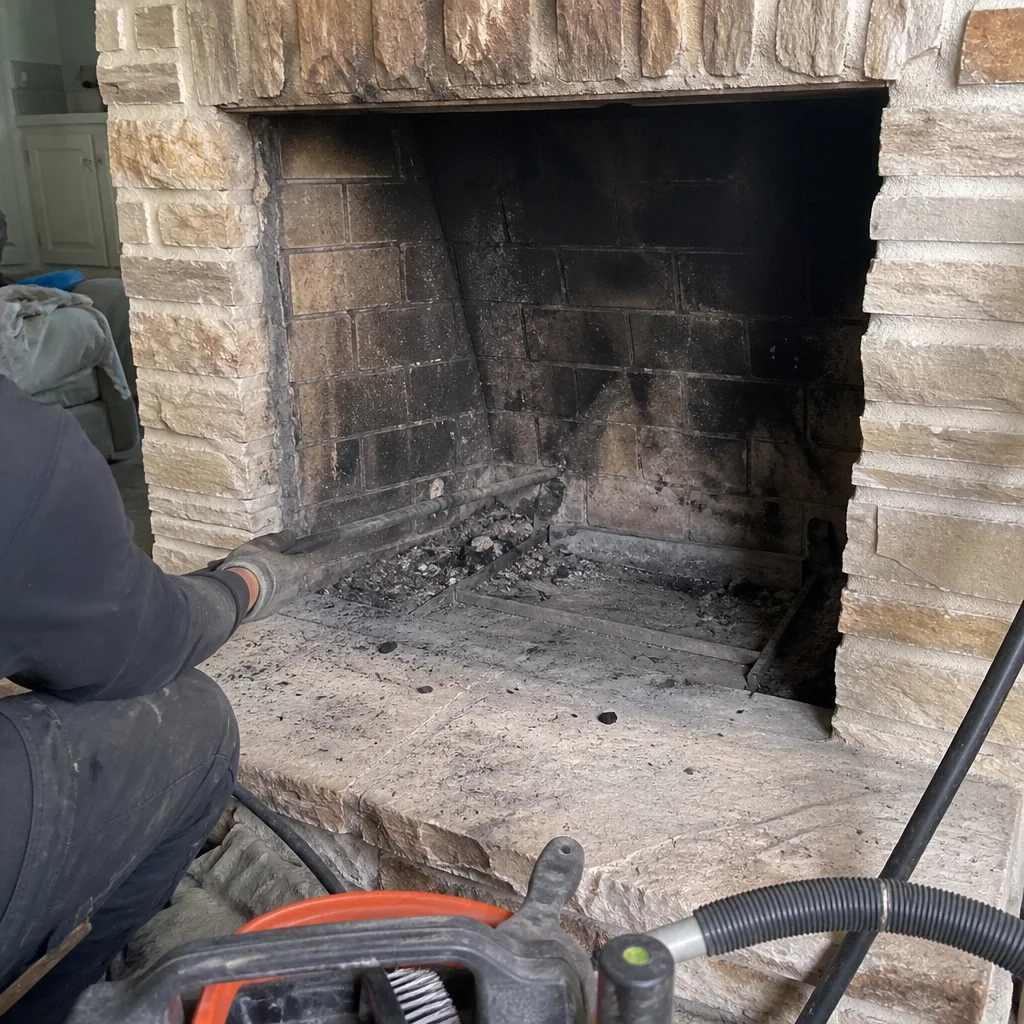
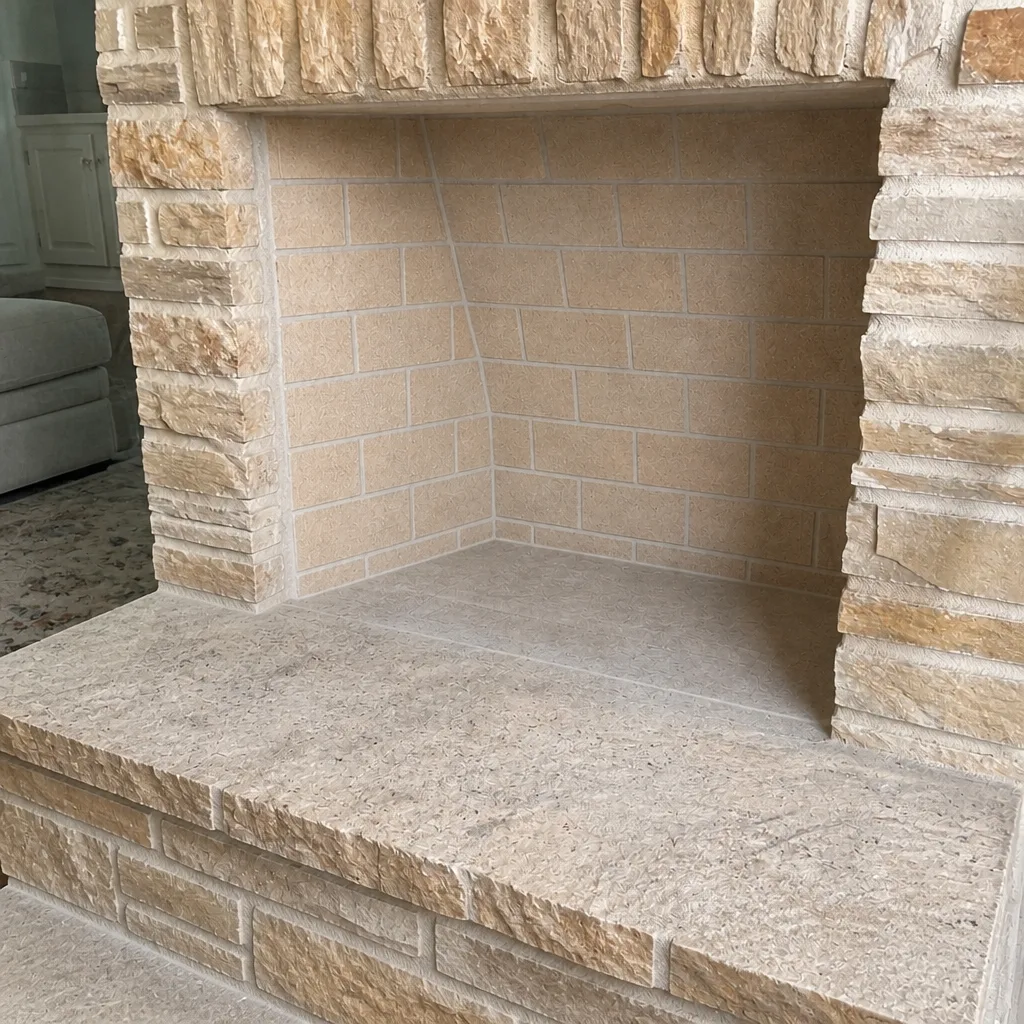
- Sight: The flue walls should show clean, dry masonry or metal surface with a faint gray haze at most – not a glossy black coating and not a thick flaky layer. A camera shot of the cleaned flue should look markedly different from the “before” shot.
- Smell: The firebox should smell neutral, with no strong acrid, smoky, or tar-like odor lingering. A noticeable creosote smell after cleaning usually signals that sticky deposits were left behind.
- Debris: No soot piles in the firebox, no debris on the smoke shelf, no ash left in the flue. The swept-down material should be in your waste container, not on your hearth.
- Draft: A test fire should draw cleanly. If smoke curls back into the room or the fire struggles to catch and draft, the problem wasn’t fully solved.
- Components: The cap should sit securely, the damper should move freely, and there should be no visible cracks in the firebox or throat that were glossed over.
If any of these fall short, ask why before the sweep packs up. A legitimate company will show you the camera footage and explain whatever remains. We consider the cleaned flue a starting point, not a finish line – if the inspection turned up a crown crack or a failing liner, the job isn’t done until that’s addressed. A quality visit leaves you able to describe your own flue to a neighbor, and we think that’s a fair test.
Documenting the Cleaning for Insurance
Here’s a part of chimney ownership many people don’t think about until they need it. Many Texas insurers now expect documentation of chimney maintenance, especially after a loss claim, and a paper trail is worth far more than a memory of “we had it cleaned a while back.” Keep a simple file, and update it with every visit.
- Keep the invoice with the date and the scope of work. Ask the sweep to itemize what was cleaned and inspected – “swept flue” is weaker than a line-by-line record.
- Save before-and-after camera photos. A camera inspection produces images. Ask for copies of the shots showing the flue condition before and after cleaning. This is your evidence if a claim ever comes up.
- Log any repairs. If a cap, crown, or liner was replaced, keep the record and the product name. If a HeatShield restoration was done, note it.
- Note fuel type and usage. A record of what you burn and roughly how often gives the claim a baseline. It also tells any future sweep what to expect.
- Keep annual records together. Over a few years, your file shows a pattern of maintenance, which is exactly what insurers and future buyers want to see.
This takes a few minutes and pays off in a big way if you ever need to make a claim. It’s also useful for resale – a documented maintenance history is a real asset. We hand over camera evidence in writing on every visit because a homeowner should never have to take their sweep’s word for it. That’s part of the professional standard, and it’s part of why we keep a documented paper trail.
Common Mistakes to Avoid
- Assuming light use means no cleaning needed. The smoldering, infrequent fire is the one that lays down the worst creosote. In The Woodlands’ humid air, that sticky layer sits and cures for months. Don’t skip a season because you only burned a few fires.
- Burning unseasoned or damp wood. Wet wood burns cool and dirty, which is exactly the recipe for Stage 2 buildup. In a humid climate, wood that sat through the summer can absorb moisture back. Dry, seasoned wood is the single easiest way to cut creosote.
- Skipping the camera inspection. A visual check with a flashlight tells you almost nothing about the flue above the smoke shelf. Require a camera inspection – it’s the difference between a real assessment and a guess.
- Letting a damaged cap go unrepaired. A loose cap lets water and animals in, and both are common problems in The Woodlands’ wooded, tree-heavy setting. A proper cap is a years-long fix; putting it off doesn’t get cheaper.
- Hiring a sweep with no repair capability. If your sweep finds a cracked liner or a failing crown and can’t fix it, you’re looking for a second company. One accountable provider closes that gap – we repair with the same products professional contractors use.
- Not keeping records. An undocumented cleaning is a cleaning you can’t prove. Protect yourself for the claim that may never come.
- Treating gas logs as maintenance-free. Gas fireplaces still have vents and connections that need an inspection. The moisture and acidic byproducts they produce don’t disappear just because there’s no visible fire.
When to Call a Professional
Some things are worth checking yourself – loose soot on the hearth, a damper that sticks, or a cap that looks visibly crooked. But certain situations need a qualified sweep, and not a homeowner with a ladder. Call a professional if you’ve noticed smoke backing into the room, if you smell a strong creosote odor when the fireplace is off, if you’ve seen visible creosote buildup or a glazed coating inside the flue, if there’s been a chimney fire (even a small one you put out yourself), or if it’s simply been a while and you’re not sure of the state of things. A professional visit also matters before your first fire of the season, especially in this climate where deposits have had months to settle in. Highpoint Chimney Sweep offers free estimates in The Woodlands. Call (844) 320-3258. We answer 24/7, and fast dispatch runs from 7am to 7pm, Sunday through Friday.
Frequently Asked Questions
Chimney cleaning is priced per job based on the written estimate, which accounts for your flue type, the level of creosote, and whether any repair work is included. What matters isn’t a single number but that the written estimate is set before work begins and doesn’t change later. Call (844) 320-3258 for an exact quote – estimates are free.
A good rule of thumb is at least once a year for a wood-burning fireplace, and that annual visit is especially important in a humid climate like ours where deposits sit and cure. Heavier use or frequent damp wood can mean more frequent cleaning. An inspection puts actual numbers to the schedule. Call (844) 320-3258 for an exact quote – estimates are free.
Skipped cleaning lets creosote build up in layers, and the sticky Stage 2 layer can glaze into the hardened, highly combustible Stage 3 form. That’s the buildup a chimney fire is most likely to ignite, and it can also crack masonry and damage a liner. Catching it early is always cheaper than repairing the damage later. Call (844) 320-3258 for an exact quote – estimates are free.
Not necessarily. A failing liner is a repair decision, and it should never be recommended without camera evidence you can see for yourself. Some flues can be restored with resurfacing systems rather than fully replaced, and some just need cleaning. Honest diagnosis comes first. Call (844) 320-3258 for an exact quote – estimates are free.
Yes. A proper visit combines inspection and cleaning in one appointment, from the camera check at the start through the smoke draw test at the end. That’s the model we built our service around, and it means the same team handles both. Call (844) 320-3258 for an exact quote – estimates are free.
Yes. A gas-log setup has no creosote to speak of, but its vent and connections still need inspection, and the moisture and acidic byproducts gas logs produce can affect the vent over time. Cleaned and inspected correctly, they’re low-maintenance – not maintenance-free. Call (844) 320-3258 for an exact quote – estimates are free.
Yes, a proper cleaning and inspection involves working inside at the firebox and contain itself with drop cloths and a sealed work area to protect your living space. That containment step is part of doing the job right and keeping your home clean. Call (844) 320-3258 for an exact quote – estimates are free.
What should I do if I’ve had a chimney fire?
Stop using the fireplace and call for an inspection before building another fire. Even a chimney fire you put out yourself can crack masonry or damage a liner in ways you can’t see from the room, and only a camera inspection will show the real condition. Call (844) 320-3258 for an exact quote – estimates are free.
The Bottom Line
Chimney cleaning in The Woodlands is more than a brush and a vacuum. The humid subtropical climate here lets sticky creosote cure in place, so even a lightly used fireplace can be riskier than its owner assumes. The fireplace that burns every cold night is often cleaner than the one lit a handful of times a year. Get a camera inspection with every cleaning, insist on a smoke draw test at the end, keep records for your insurer, and choose one company that can inspect, clean, and repair. That last point is the whole reason we work the way we do: you shouldn’t have to call a second company for a crown crack or a failing liner. A clean chimney is the starting point, not the finish line. Call (844) 320-3258 for a free estimate. We answer 24/7, and fast dispatch runs from 7am to 7pm, Sunday through Friday, so we can get to it before your next fire.
Written by the team at Highpoint Chimney Sweep.
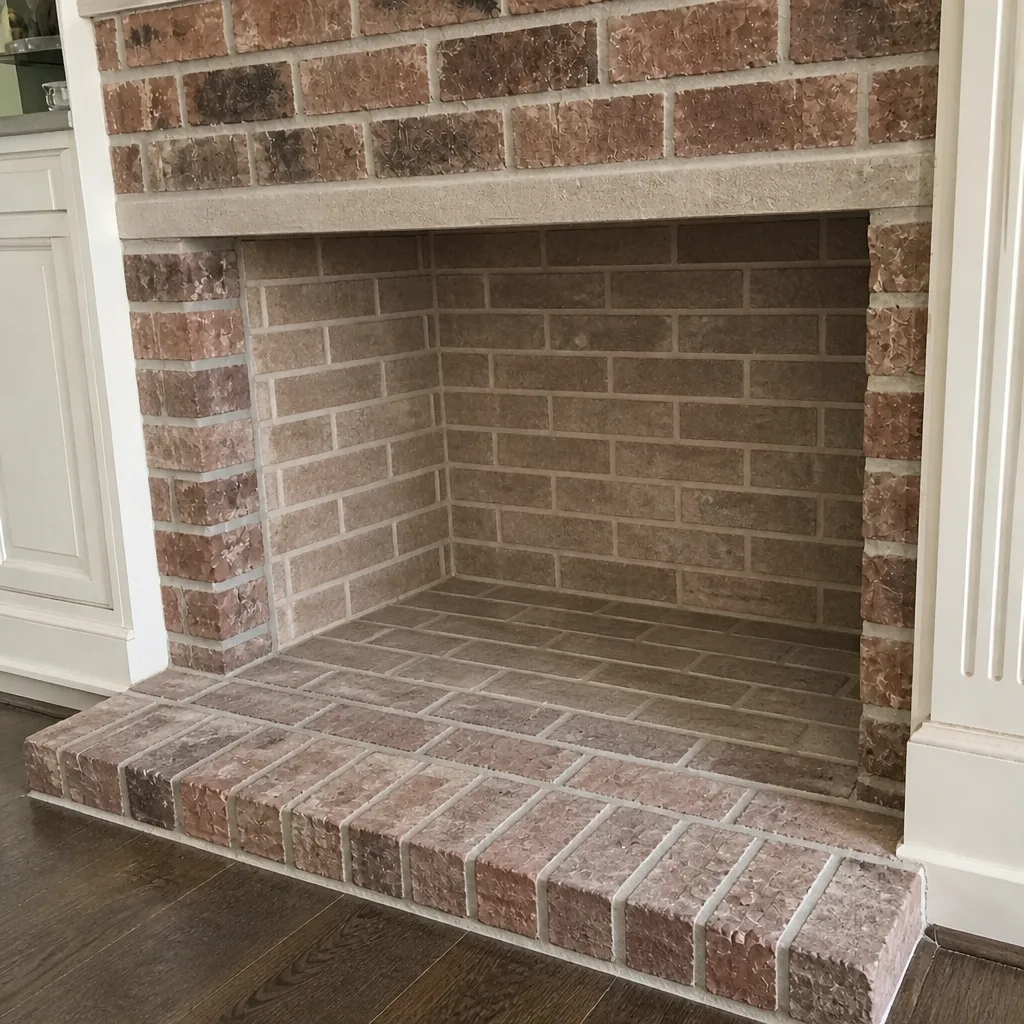
See the difference
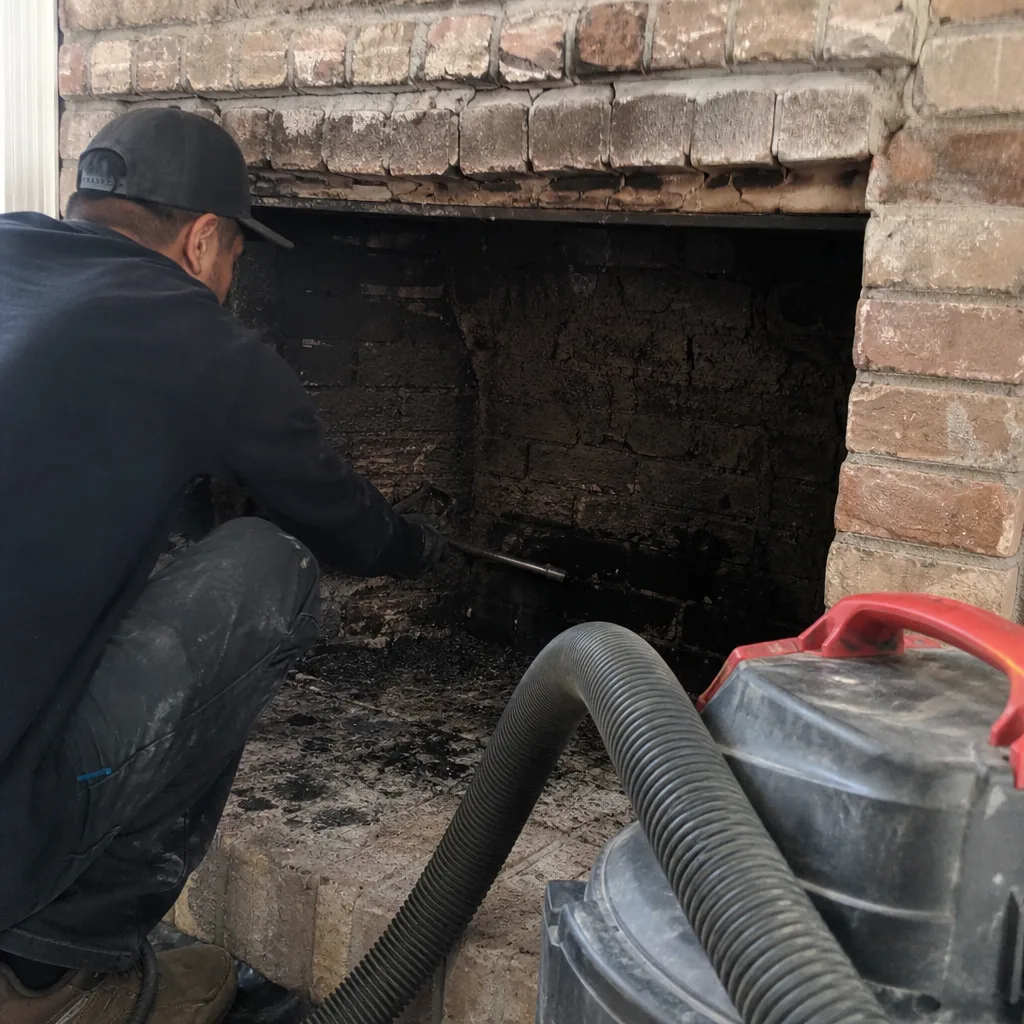 Before
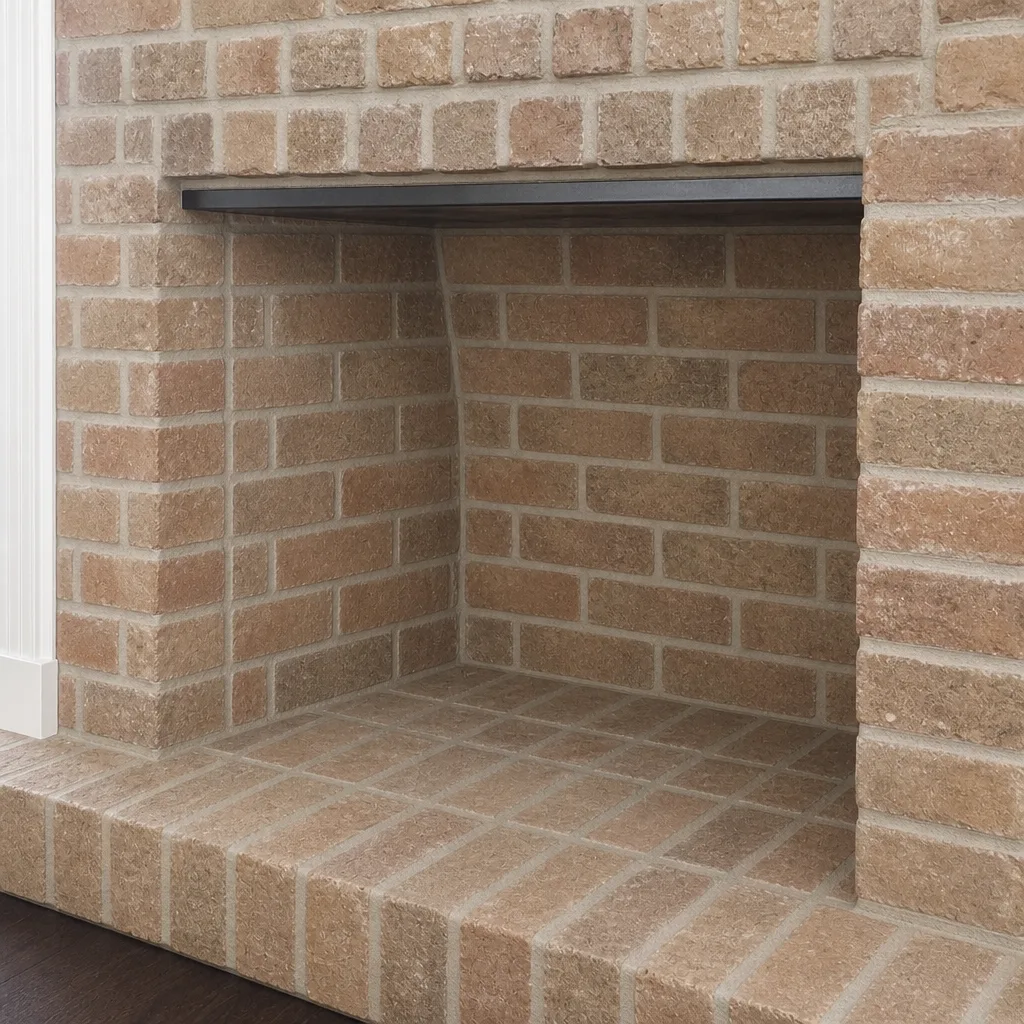 After
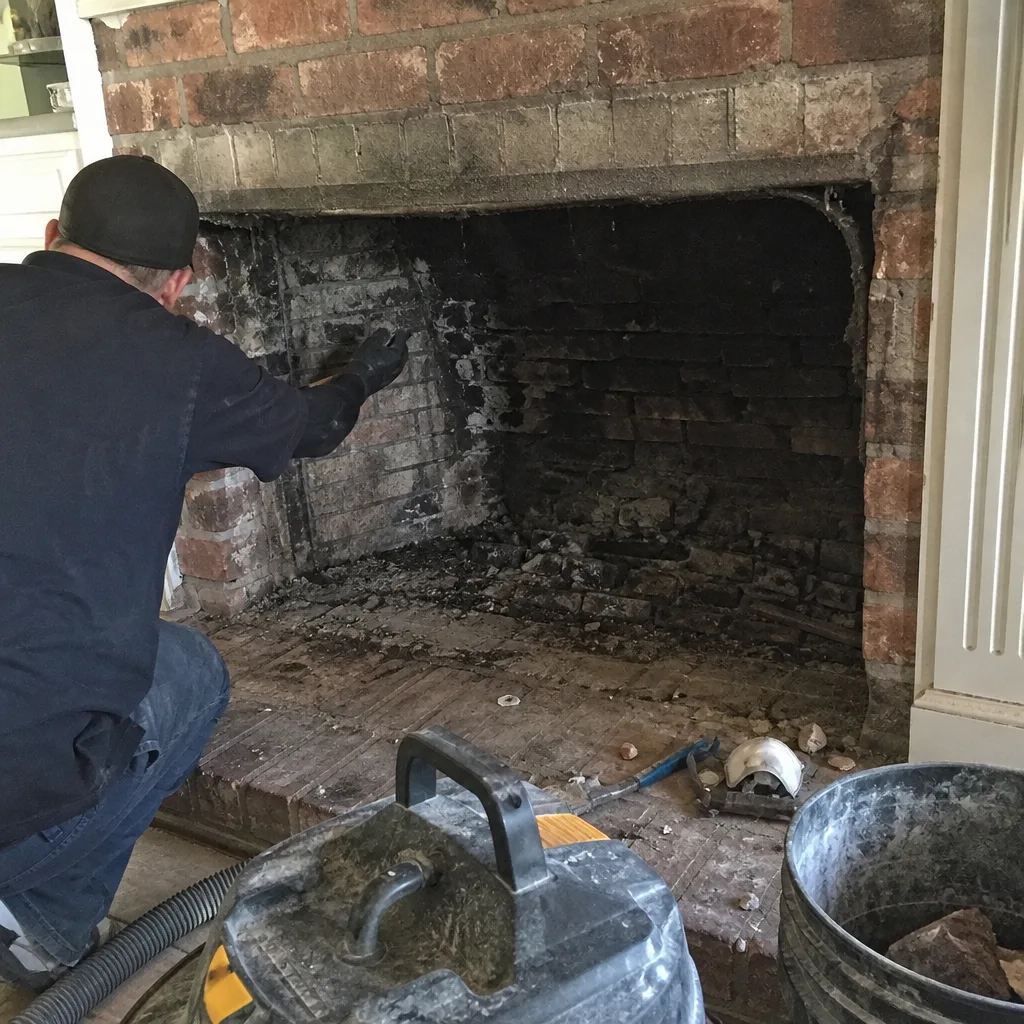 Before
 After
 Before
 After