
Last updated November 15, 2026
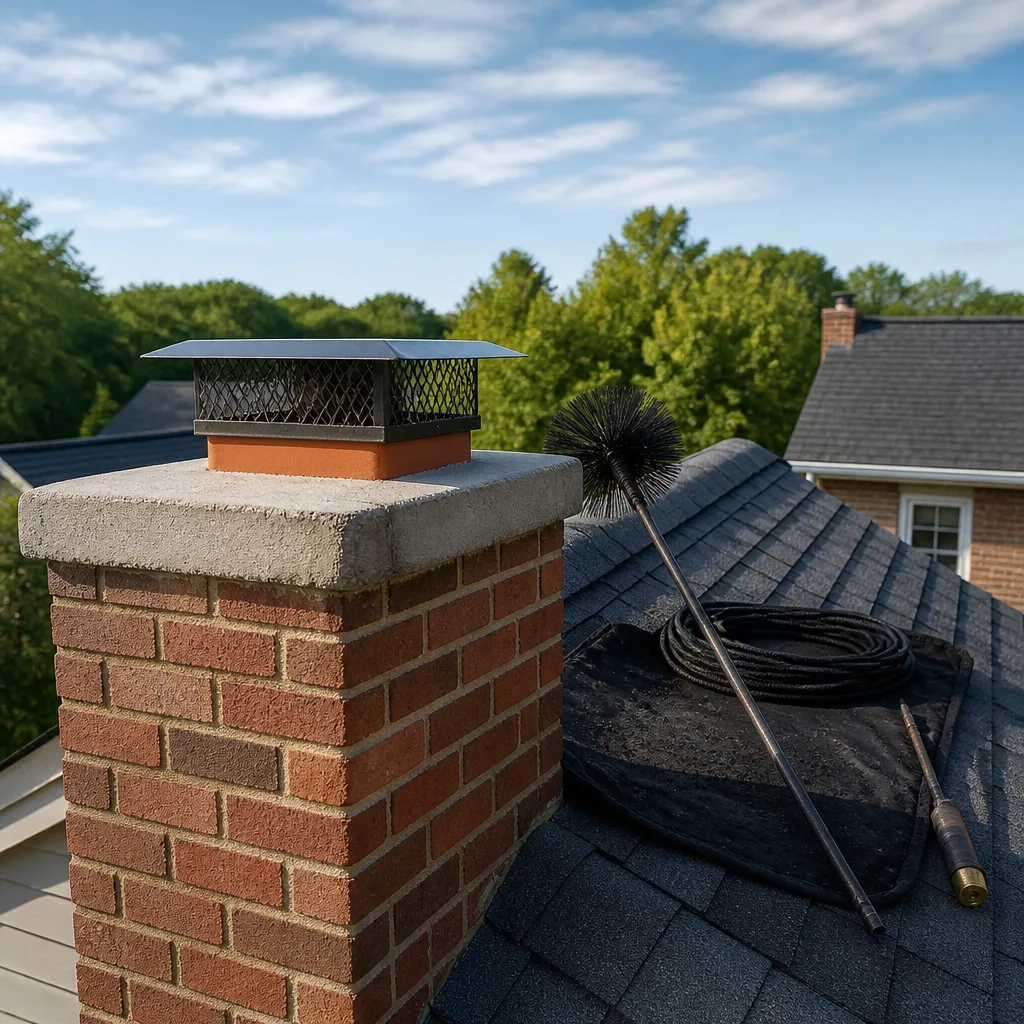 Sweep & inspection
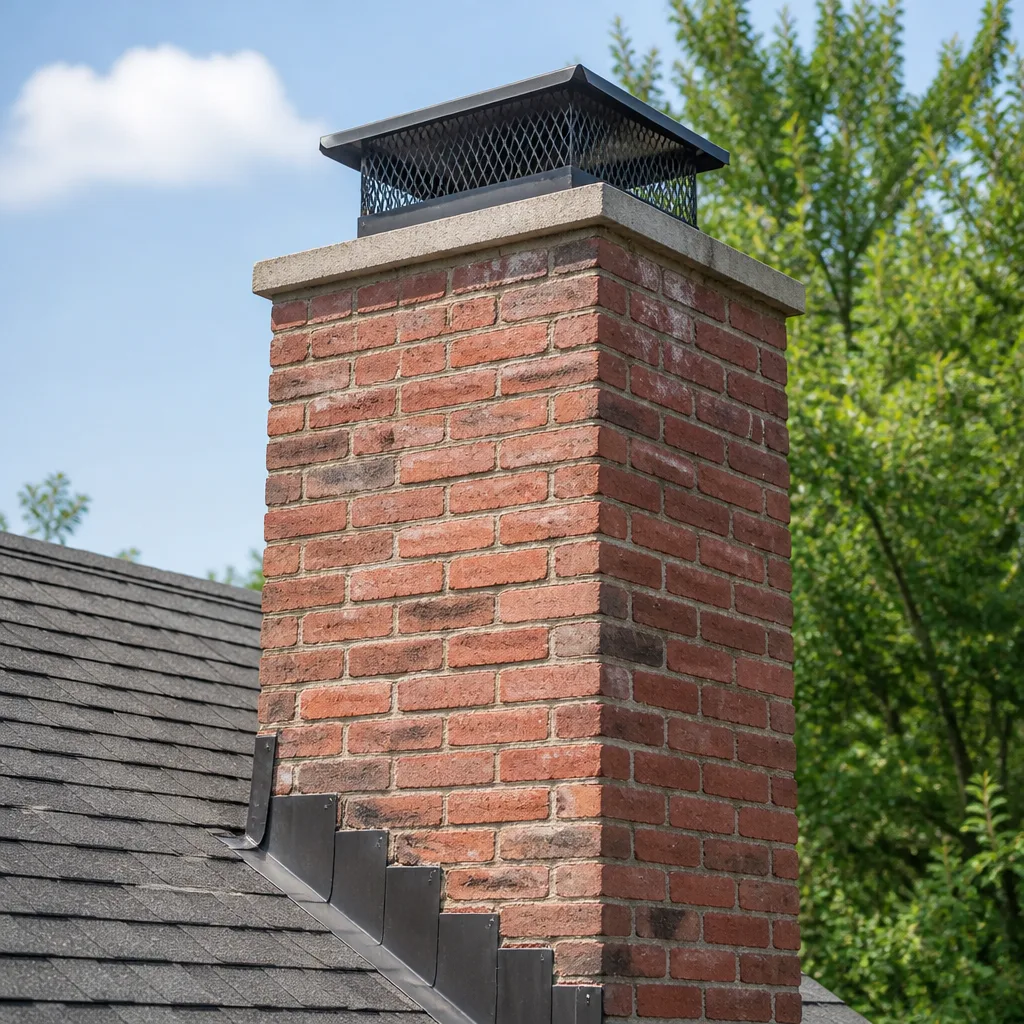 Caps & crowns
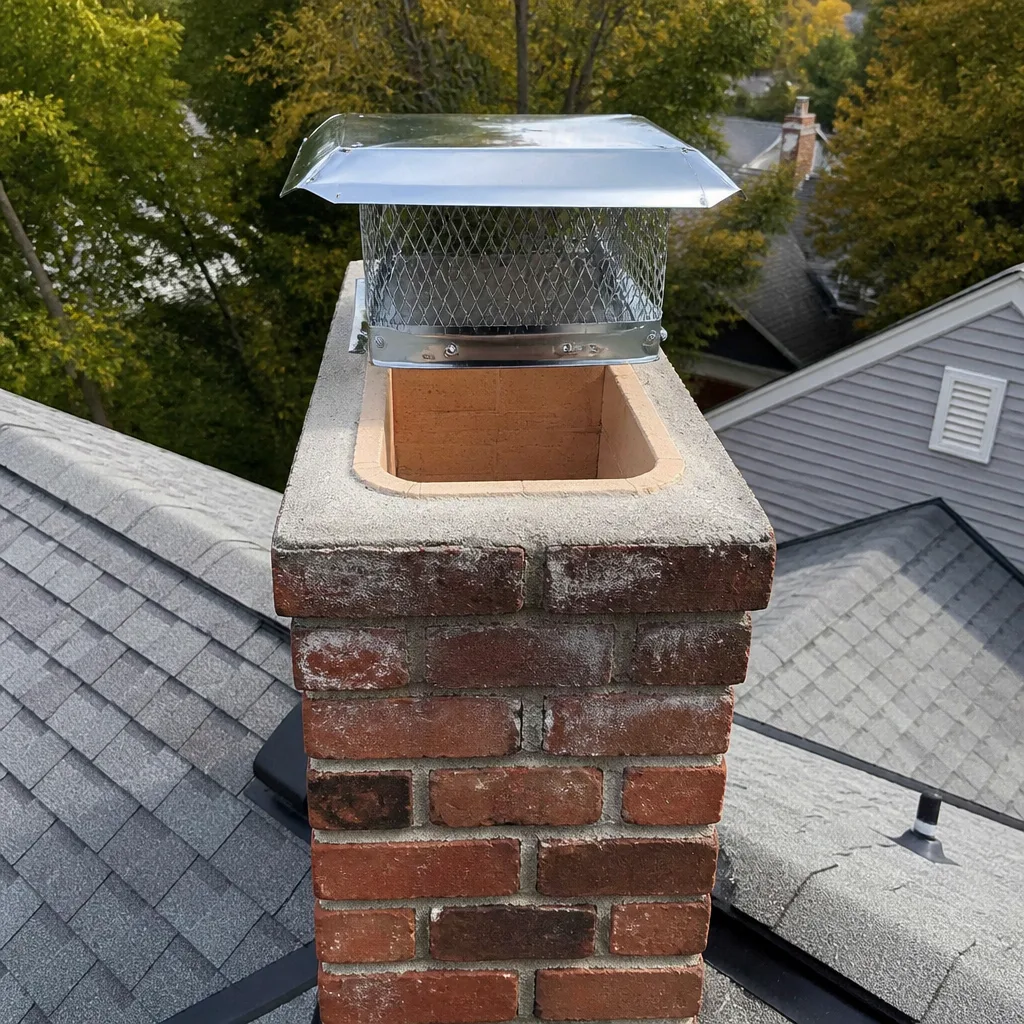 Flue relining
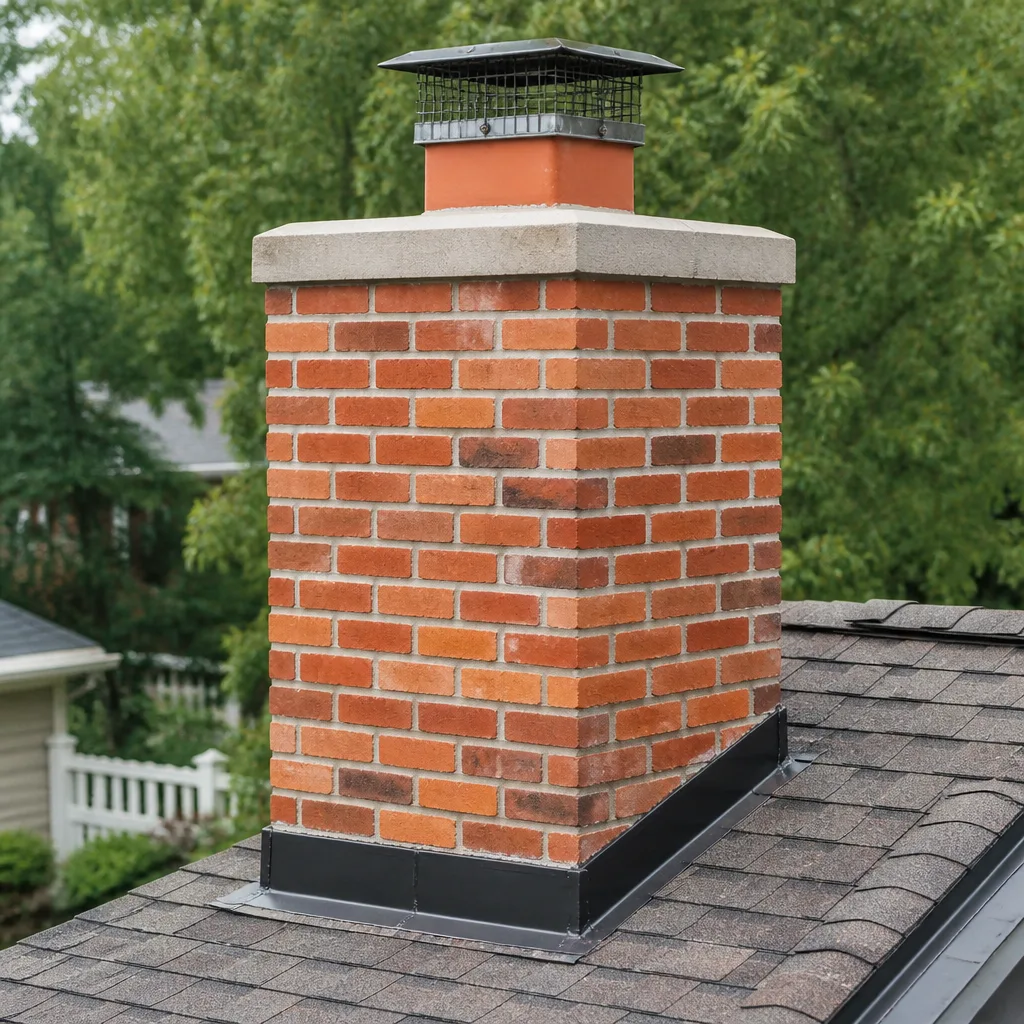 Masonry repair
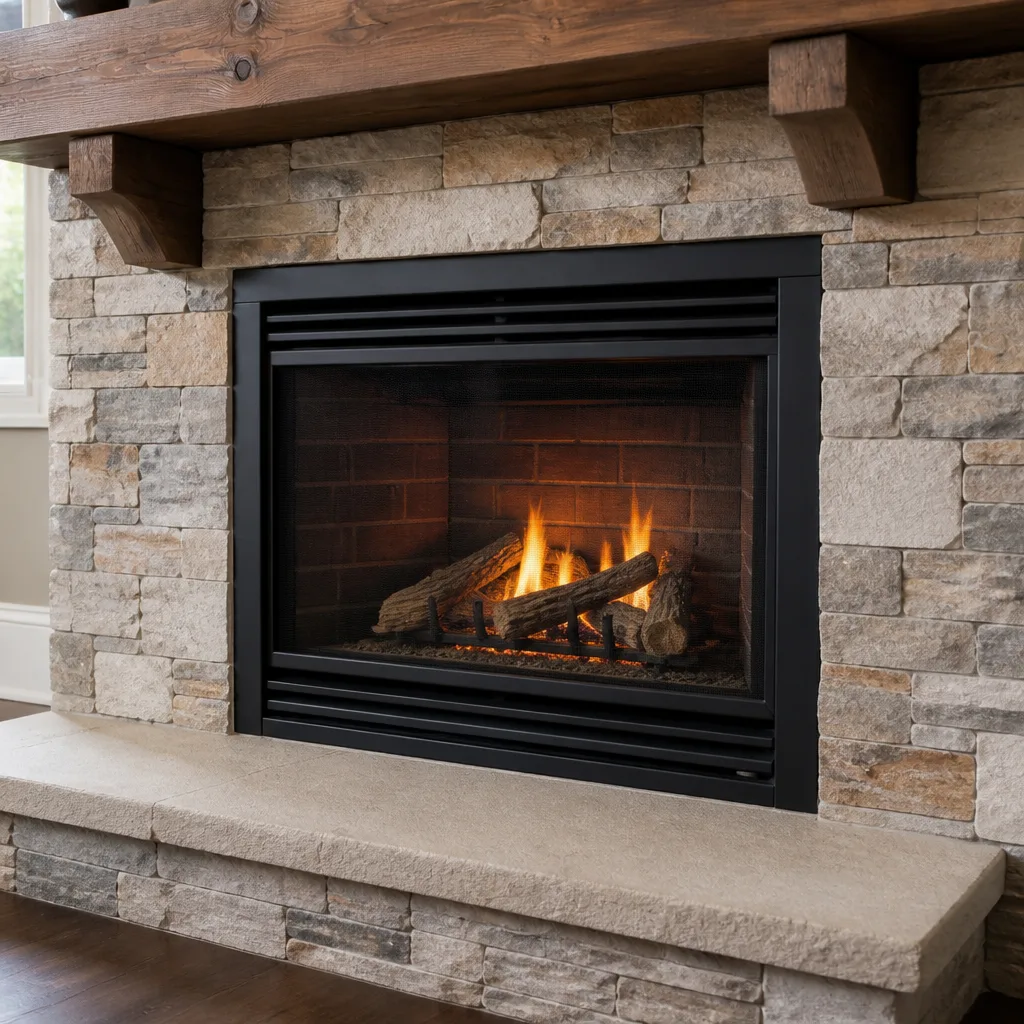 Gas fireplace service
Level 1 sweep and inspection to the NFPA 211 annual standard - flue, crown, cap, and flashing checked and photographed
Chimney sweep logs do not sweep chimneys. They loosen some creosote - which then falls where a brush and vacuum still have to collect it.
Seasonal Chimney Cleaning Care for The Woodlands: Year-Round Homeowner’s Guide
Most homeowners in The Woodlands think about their chimney once a year, in the week before the first cold snap, and then not again until the next one. That single-minded focus on winter misses what’s actually happening the other eight months. The heaviest structural damage to chimneys here tends to build up between May and September, when the fireplace is completely ignored and moisture works uninterrupted through any crack left over from winter use. This guide walks through a full year of chimney care in our part of southeast Texas: what happens inside a flue in the off-season, why the right time to book a sweep is earlier than you’d guess, and how to stay ahead of the maintenance curve instead of paying for it later.
Quick Answer
Chimney care in The Woodlands follows a year-round rhythm, not a single fall appointment. Book a professional inspection and sweep in late September, address crown and cap repairs right after storm season ends in spring, keep an eye on moisture through the humid summer, and give gas fireplaces their own separate seasonal check. Homeowners who do all four spend far less over time than those who only call when smoke backs up.
Styles & brands we work with
- Sweep & inspection
- Caps & crowns
- Flue relining
- Masonry repair
- Gas fireplace service
Table of Contents
- What Actually Happens Inside an Unused Summer Flue in The Woodlands
- The Best Pre-Season Window in The Woodlands (It’s Not November)
- Spring Tasks After Storm Season Ends
- Gas Fireplace Care vs. Wood-Burning Protocols
- Humidity, Storm Season, and What Our Climate Does to Masonry
- What a Professional Inspection Covers
- Staying Ahead of the Maintenance Curve: Time and Cost
- Common Mistakes to Avoid
What Actually Happens Inside an Unused Summer Flue in The Woodlands
A chimney that isn’t being used still has weather moving through it every day. In a humid subtropical climate like ours, that means a slow, steady cycle of moisture absorption and release that most homeowners never see and never think to check.
Here’s the plain version of what happens from late spring through early fall:
- Cracks and gaps open up after a winter of heating and cooling. The masonry sees temperature swings all winter, and small cracks that start hairline in February can widen as spring warms the structure at different rates.
- Moisture from humid air gets pulled into those cracks. Masonry is porous. Brick, mortar, and even the crown are designed to shed water, but only when they’re intact. Once the surface is compromised, humidity in the air finds the openings and settles in.
- The material cycles between wet and dry, sometimes daily. The Woodlands’ heavy humidity means the chimney is repeatedly soaked and dried through the summer, and each cycle stresses the masonry a little more. Mortar is the weak point. It erodes under repeated wetting, which loosens the bonds between bricks.
- Pests move in. An uncapped or partially capped flue is a sheltered, dark, dry cavity, and it becomes a nesting site for birds, squirrels, and insects through the off-season. Droppings and nesting material accumulate, and some of that debris is flammable.
- Creosote that didn’t get cleaned after last season sits and hardens. Creosote left in the flue through summer dries into a harder glaze, which is more difficult to remove in fall and, on the next fire, represents an ignition risk.
The takeaway is this: an unused chimney is not a dormant chimney. In The Woodlands it’s a structure under constant moisture load from May through September, and that load is exactly what an off-season inspection and a properly fitted cap are designed to handle. If you only look at the chimney in the winter, you’re seeing the results of damage rather than the conditions that caused it.
A capped, sealed chimney handles our summer humidity well. One that’s been neglected for a season or two will show the effects in the mortar, and that’s the area we check first during any inspection.
The Best Pre-Season Window in The Woodlands (It’s Not November)
The single most useful calendar change for most homeowners in The Woodlands is moving the chimney appointment from late fall to late September. Booking a chimney sweep in late September, before the schedule tightens, gives you a full inspection with time to act on any findings, and it does so in a season where our weather is stable enough to let repairs cure properly.
Why the timing matters:
- Booking earlier gives you options. By November most homeowners are thinking about their first fire of the season at once, and the schedule across any service industry gets crowded. When we’re squeezed in, inspections can be rushed and findings left unresolved until after the holidays.
- Repairs need time to settle before the fireplace is used. Crown sealing, cap replacement, and liner work all benefit from being done while the wall is dry and the weather is steady. Late September and October in The Woodlands generally offer the most predictable stretches of dry weather of the year.
- You want to find problems before, not during, your first fire. The worst time to discover a cracked crown or a loose flue tile is the night you’ve already lit the fire and smoke starts backing into the room. An early inspection lands the findings while the fireplace is still idle.
- Spring gives you a natural second checkpoint. If the late-summer inspection finds only small issues, spring is the follow-up window. If it finds something structural, you’ve had months to plan the repair rather than trying to do it under pressure in December.
- Gas fireplaces benefit from the same early window. Even homes that have converted from wood to gas should be inspected before the heating season, because gas inserts and venting have their own maintenance needs that only get more expensive when deferred.
We get it, though. November is when the fireplace starts to feel real. Getting the chimney sweep call booked in late September just means the work is already behind you when that first cold front comes through. The aim is to make the actual first fire of the year a relaxing one, not a diagnostic one.
Spring Tasks After Storm Season Ends
Spring in The Woodlands has a specific chimney to-do list, and it revolves around storm season ending. Our spring months carry the storm activity, and the wind-driven rain and debris are what compromise the two chimney components most exposed to the weather: the crown and the cap.
The crown is the concrete or masonry surface at the very top of the chimney. It’s designed to shed water away from the flue opening. When wind and rain wear it down, or a limb catches it, water can enter directly above the flue. The cap and its screens protect the opening itself, and they’re the first line of defense against moisture and animals.
Spring tasks, in order:
- Inspect the crown. Look for cracks, chips, or gaps where the crown meets the flue tiles. A sealing job on a damaged crown is inexpensive. A crown that’s allowed to fail can lead to water in the chimney structure itself, which is a much bigger repair.
- Check the cap. Caps take a beating through storm season. A cap missing or damaged after spring storms is an opening for rain, birds, and squirrels. We fit Gelco and Famco caps and covers for exactly this reason: they’re purpose-engineered for chimney openings, so the seal is right rather than improvised from general hardware.
- Confirm the flue is dry and free of animal activity. If a bird or squirrel got in over the winter, spring is when you’d find it. Nesting materials sit in the flue and block airflow, and some of it is combustible.
- Look at the flashing where the chimney meets the roof. Flashing failures on The Woodlands roofs are most visible after a wet spring. If you’ve noticed a stain or a soft spot on a ceiling near the chimney, have it looked at in spring, not fall.
- Book a spring inspection if it’s been more than a year. Two checks a year isn’t overkill here. It matches the actual climate: winter burning season, then summer moisture season.
If you’re unsure whether your crown or cap took on storm damage, a single spring visit can answer that. Getting the condition of the top of the chimney on record early is the cheapest way to prevent the slow-motion moisture problem that quietly builds all summer.
Gas Fireplace Care vs. Wood-Burning Protocols
Many homes in The Woodlands have a gas fireplace, either as the primary heat source or as a conversion from an older wood-burning unit. Some have both. Gas fireplaces are cleaner and lower maintenance, but they need their own seasonal routine, and it’s not the same as what a wood-burning chimney gets.
Gas fireplace care through the year looks like this:
- Gas fireplaces still need inspection. The vent and flue need to be checked for blockage, corrosion, and proper drafting. Gas combustion produces moisture and, in a vented unit, exhaust that needs to exit cleanly. A clogged vent on a gas fireplace is a carbon monoxide concern, not just an efficiency one.
- Winter use in a gas unit is uninterrupted, which means the flue stays warmer. A gas fireplace that runs most evenings through the winter stays relatively warm and dry compared to a wood-burning chimney that cools completely between fires. That reduces the condensation cycling, but it doesn’t eliminate the need for a vent inspection before the season starts.
- The glass and firebox get a separate cleaning. A gas insert’s interior glass will haze with use, and the firebox can collect dust and debris even when not in use. A gas fireplace cleaning is a different task from a wood-burning chimney sweep.
- Converted fireplaces need a note in the file. If the house was originally wood-burning and the fireplace was converted to gas, the original flue may still be present and its condition still matters. The conversion doesn’t retire the chimney structure; it just changes what you burn.
- Gas fireplaces don’t shed creosote. That’s good news. It’s also why the annual chimney sweep rhythm is less about creosote and more about inspection and vent clearing for a gas-only home.
A home with both a working wood-burning fireplace and a gas insert is the case that most needs an annual plan, because each needs attention on its own schedule. The wood-burning side needs a sweep and creosote check before fall; the gas side needs a vent inspection and cleaning. Handled by one company in one visit, it’s one appointment; handled separately, it’s two.
Humidity, Storm Season, and What Our Climate Does to Masonry
Our climate is mild and wet. There’s rarely a deep winter cold spell to freeze the masonry and almost never a prolonged dry season to let everything thoroughly dry out. That combination has a specific effect on how a chimney ages here.
The mechanism is simple. Brick and mortar are porous, and every rain and every humid summer day pushes a little water into the surface. The sun and air draw it back out. The cycle repeats, and the material weakens gradually. Mortar erodes and joints loosen. In time, that opens new paths for water to get deeper into the chimney, and the walls of an occupied home can show the effect on the inside. This is the slowest, most predictable form of chimney damage and also the most preventable. A sealed crown, a fitted cap, and intact mortar joints do more to extend a chimney’s life in The Woodlands than almost anything else.
Storm season adds an acute layer on top of the chronic one. High winds and driving rain hit the chimney from the side and the top, and the crown and cap catch the worst. A limb against the chimney after a storm is a small thing, but it’s also exactly the kind of small thing that starts a small leak, which is why we treat post-storm crown and cap checks as a spring priority rather than a fall one.
For masonry structural problems that go deeper than the surface, we use a HeatShield ceramic resurfacing system in appropriate cases. It’s a professional liner restoration process, and it exists for masonry flues that would otherwise require major rebuilding. During an inspection, if the flue condition could be addressed with a resurfacing rather than a rebuild, it’s worth knowing that option exists. For full liner replacement, we use DuraFlex stainless liner systems, which are engineered to meet the code requirements a full reline needs. If you have a wood-burning fireplace and a suspected flue problem, we can explain both options and what evidence we saw that points to one or the other.
The point isn’t to talk you into a repair. It’s to know what’s available before a failing flue forces the decision in a hurry. Homes throughout The Woodlands sit on a range of lots and ages, and the condition of a flue varies with them; a flue in a heavily shaded, humid corner of a lot ages differently than one in full sun.
What a Professional Inspection Covers
A professional chimney inspection is not a sweep with a flashlight added. It’s a structured assessment of the whole chimney system: the firebox, the smoke chamber, the flue and its liner, the crown, the cap, and the flashing where the chimney meets the roof. Our inspections are documented with a camera inspection and a photo report included, so you see what we see.
What the inspection actually checks:
- The firebox and smoke chamber. Look for cracked firebox walls, deteriorated refractory material, and buildup in the smoke chamber.
- The flue and its interior. We use a camera to see the flue’s interior condition, and we run a check on the liner where there is one. Blockages, cracks in the tiles, gaps, and buildup are visible here.
- Creosote levels. We assess how much buildup is present and what stage it’s in. This is the main driver of when a sweep is due next.
- The crown and cap. These are checked visually and by touch where accessible. A crown with visible cracking or a cap that’s lost its seal gets flagged.
- The roof interface. Flashing, chimney exterior condition, and the visible state of the brickwork from the roof.
The report is the deliverable. It gives you the evidence behind any recommendation, so you can decide what to do with it and when. This is what we mean when we say a clean chimney is the starting point, not the finish line. The sweep removes what’s built up; the inspection tells you what to plan for.
Staying Ahead of the Maintenance Curve: Time and Cost
The comparison most homeowners want is simple: what does consistent seasonal care actually cost over time compared to letting things slide until something breaks? The honest answer is that the numbers vary by home, but the pattern is consistent. Small, regular checks cost far less than the structural repairs they prevent.
Typical path for a homeowner on a regular seasonal plan:
- One inspection and sweep before the season. This is the minimum annual cost, and it’s the same visit that catches the problem early.
- A spring top-of-chimney check. Out of a post-storm season, this is the cheapest repair window. A crown sealing or a cap replacement caught in spring is a modest job. Left into the summer and into a failing flue, the same condition grades into liner or masonry work.
- Small repairs addressed as found. Flashing, a loose tile, a worn cap screen. Done when found, each one is a line item. Done all at once after a season of deferral, they become a project.
A realistic calendar for The Woodlands is about two visits a year: late September for the pre-season sweep and inspection, and spring for the crown and cap check after storm season. That rhythm is what keeps moisture from accumulating through the summer. Homes with both a wood-burning and a gas fireplace may need the inspection and vent cleaning bundled into one visit to keep the schedule tight.
The one thing to avoid is treating the inspection as an occasional event. A chimney that gets a thorough inspection and a sweep every year is the one that turns up small issues while they’re still small. A chimney seen every three years is one where the same issues have had three years to develop.
Costs are always per job, set by a written estimate. We give that up front, and estimates are free. There’s no surprise line item at the end. If we recommend a repair, we’ll show you the photo evidence behind it, explain what happens if you wait and what happens if you do it now, and be plain about cases where the work can safely wait until spring or later. You’ll never be told you need a liner or masonry work you can’t see for yourself.
Common Mistakes to Avoid
- Waiting for cold weather to book. Late fall and early winter are when The Woodlands homeowners call at once. Late September is the window that gives you time and a thorough inspection. Booking late means working against a crowded schedule.
- Skipping the off-season entirely. Ignoring the chimney from spring through summer lets moisture work through cracks uninterrupted. The summer is when the structural damage accumulates, not the winter.
- Ignoring the crown and cap after storm season. These two components catch the most weather and are the cheapest to repair. A failed crown or missing cap turns a modest repair into a much larger one.
- Treating a gas fireplace like it needs no maintenance. A gas vent can clog, and a clogged vent is a real hazard. A gas insert needs its own inspection, even though it doesn’t produce creosote.
- Assuming a converted fireplace is off the hook. A wood-to-gas conversion changes what you burn, not the chimney structure. The original flue and liner still matter.
- Judging a chimney from inside the house alone. A chimney that looks fine from the living room can have a failing crown, a cracked liner, or an animal nest in the flue. Only an exterior and camera inspection tells you.
- Deferring a small repair into a season of exposure. A loose flashing detail or a small crown crack caught early is cheap to fix. The same issue through a humid summer and one storm season is not.
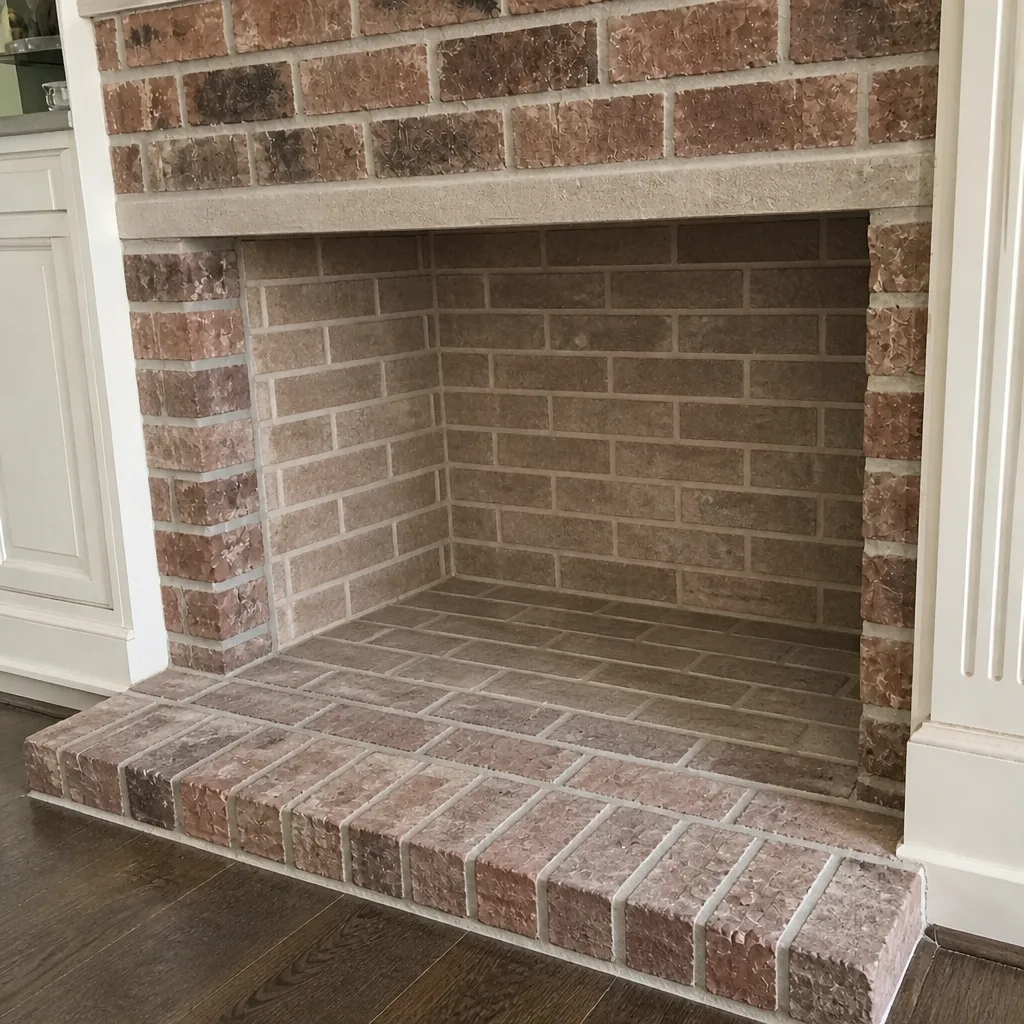
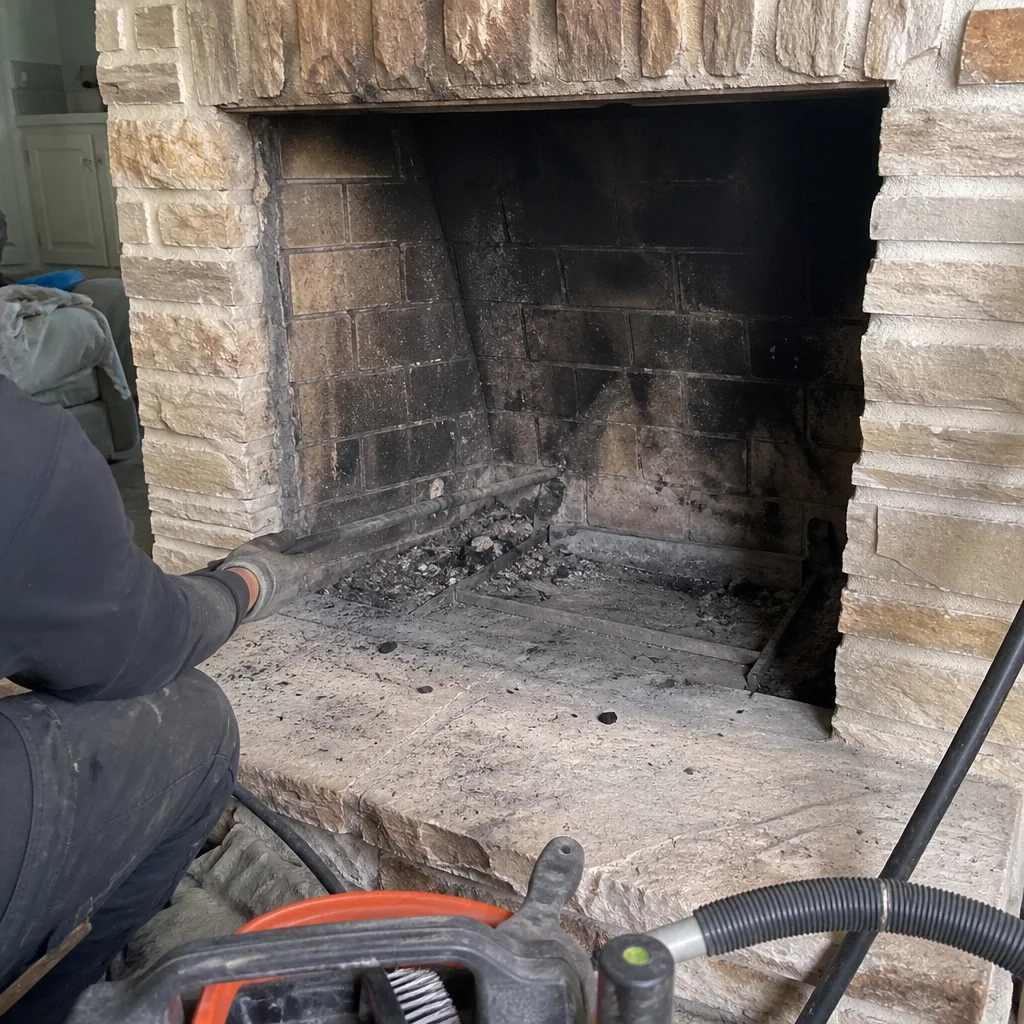
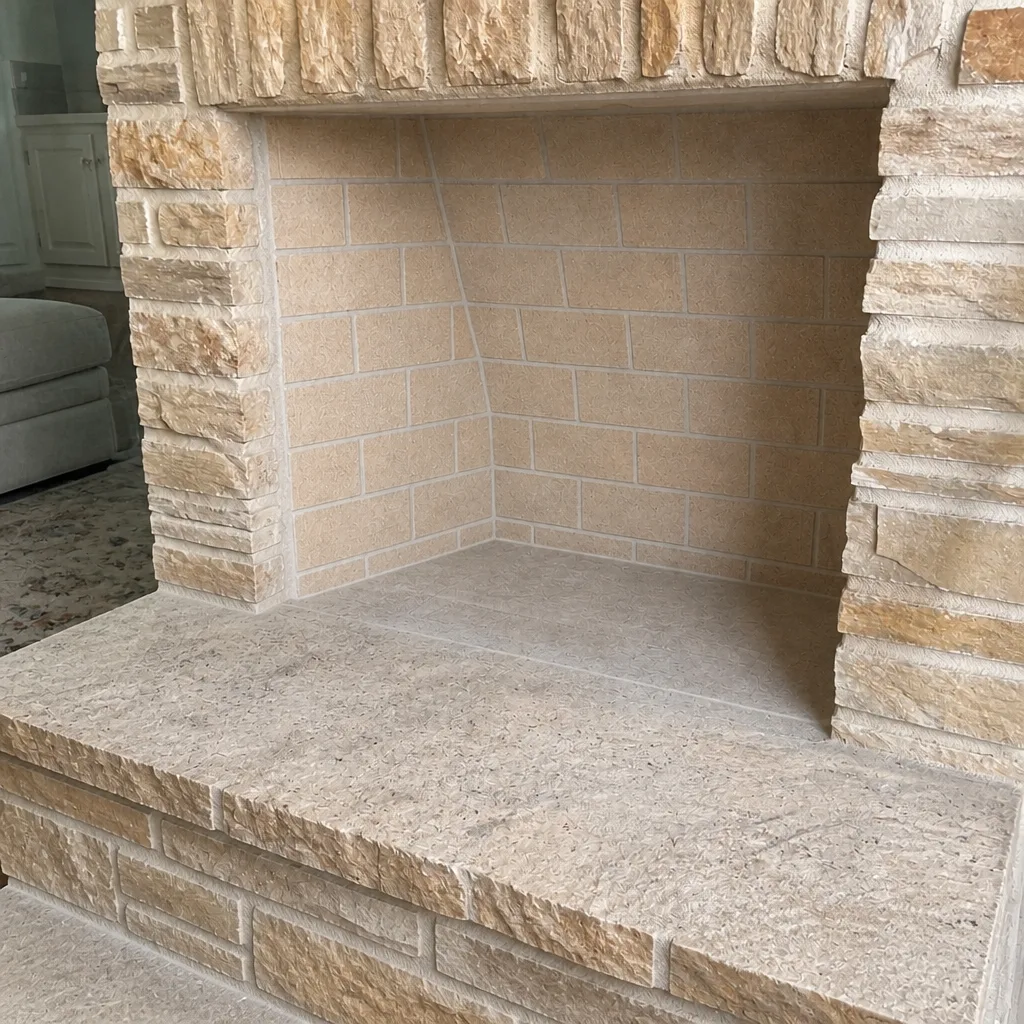
See the difference
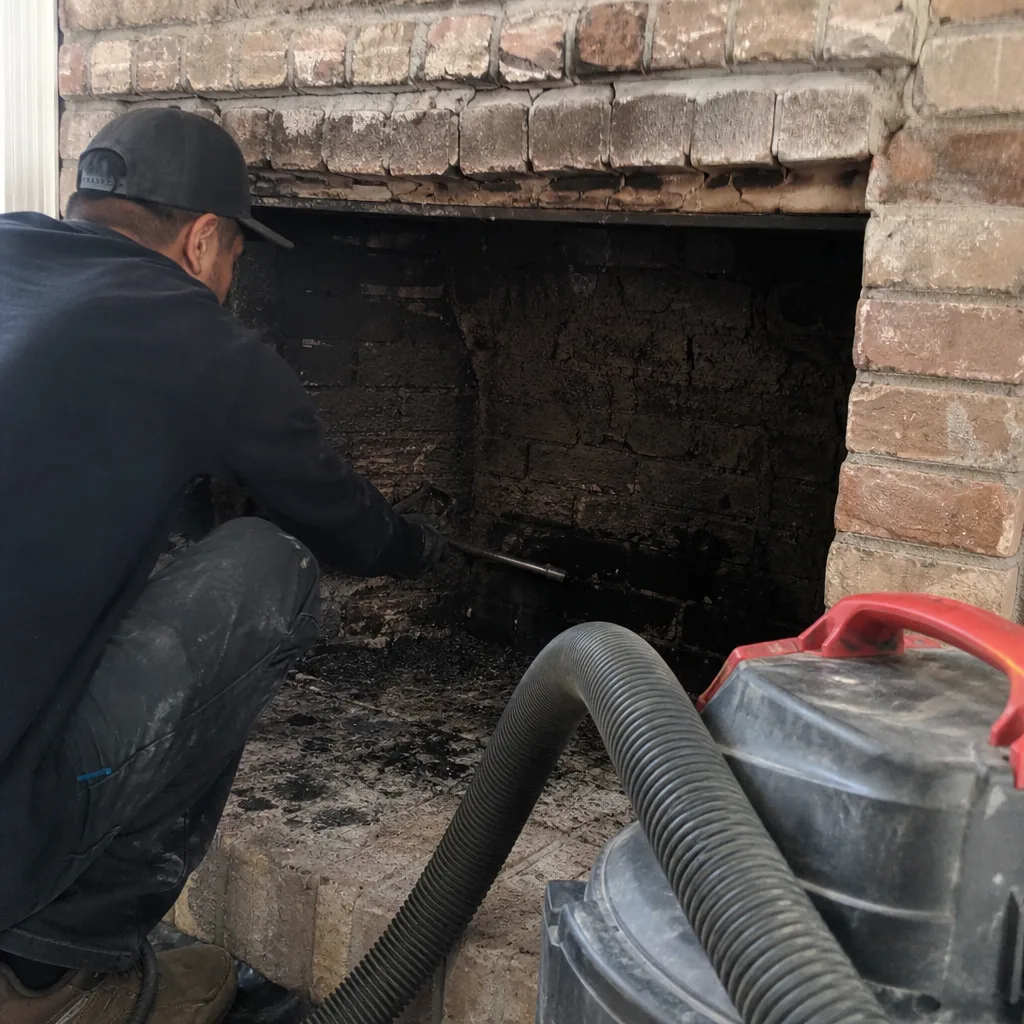 Before
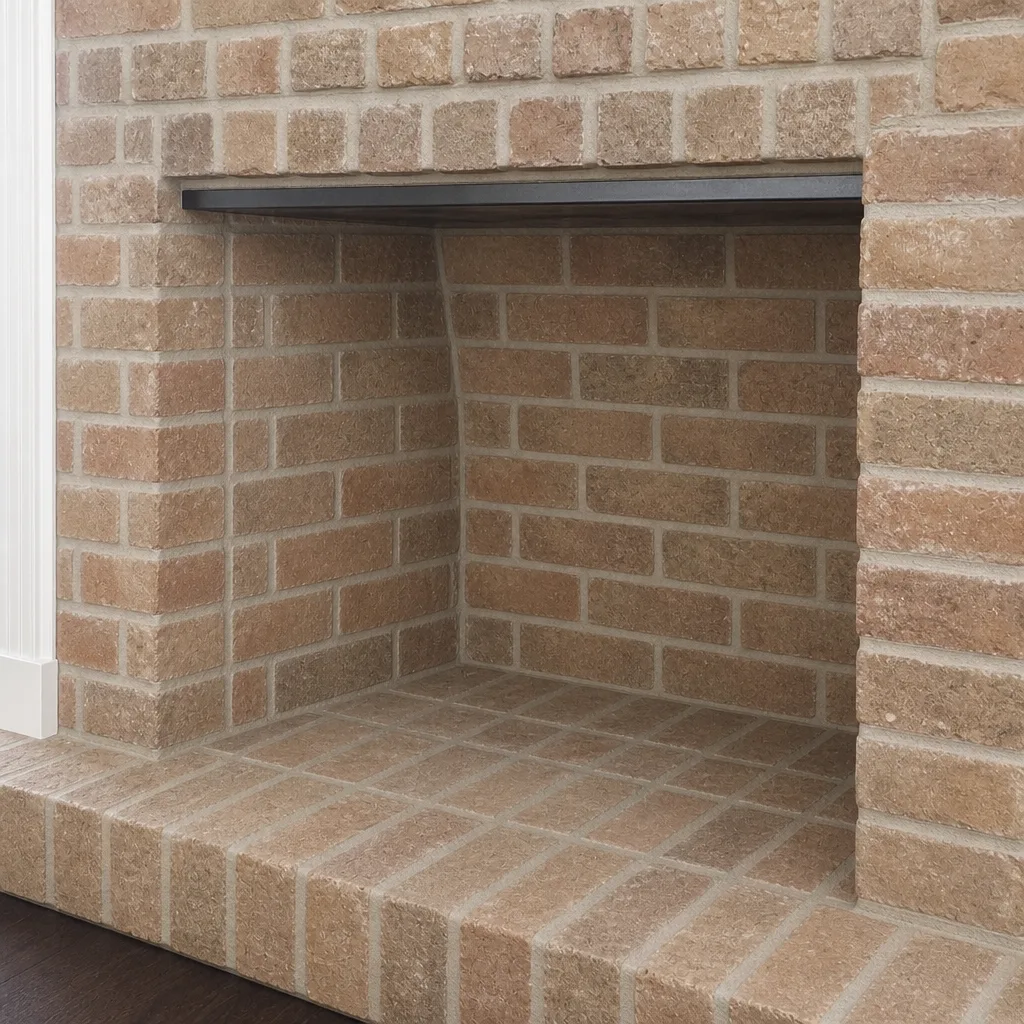 After
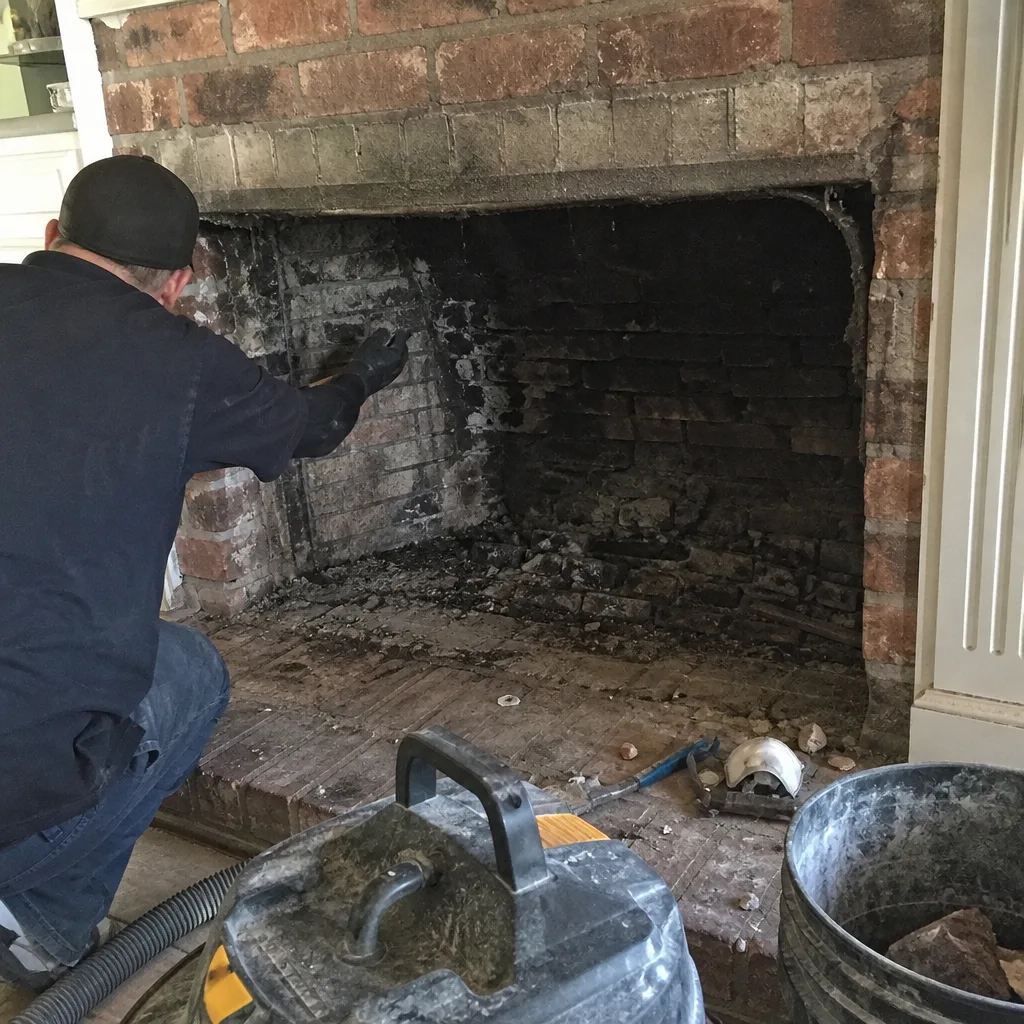 Before
 After
 Before
 After
When to Call a Professional
Most chimney work is not something a homeowner can safely assess from the ground, and some of it involves a real hazard. Creosote fires and carbon monoxide are the two hazards that a simple visual check cannot rule out. If you’ve had a chimney fire in the past (even a small one you didn’t call out), if you notice smoke backing into the room, if the fireplace smells of soot near the top of the season, or if a bird or animal is or was in the flue, call a professional before using the fireplace again. If you’re about to buy a home with a chimney, book an inspection before you close. If it’s been more than a year since the last sweep for a wood-burning fireplace, that’s the call. Highpoint Chimney Sweep offers free estimates in The Woodlands – call (844) 320-3258. We answer 24/7. Fast dispatch from 7am to 7pm.
Frequently Asked Questions
For a wood-burning fireplace, at least once a year, ideally right before the burning season in late September. In The Woodlands, the climate makes a spring follow-up smart as well, since the off-season moisture and storm season are what stress the chimney structure while the fireplace is idle. Call (844) 320-3258 for an exact quote; estimates are free.
Not every chimney needs a liner, and the ones that do are the ones where the inspection shows a specific problem – cracks in the existing liner, gaps between tiles, or a flue that’s deteriorated past surface repair. We put that in a photo report so you can see the evidence yourself, and we’re plain about cases where the flue can wait. Call (844) 320-3258 and we’ll walk you through what the inspection showed.
The biggest driver of preventable structural damage here builds up between May and September, when the fireplace is ignored and moisture enters through cracks left over from winter use. The heat and storm season then cycle moisture into the masonry all summer. The good news is that a spring crown and cap check prevents most of it. Call (844) 320-3258 for a free estimate.
If the chimney was in good shape and well capped going into summer, likely nothing major. If it had a small crack or a compromised crown, a summer of humidity and storm exposure can take that from a small repair to a larger structural job. Skipping the pre-fire inspection also means the next fire happens on an unassessed flue, which is a safety question rather than a cost question. Call (844) 320-3258 for an exact quote; estimates are free.
Yes, a gas fireplace needs its own seasonal inspection, cleaning, and vent check. It doesn’t produce creosote, but a clogged or corroded vent is a carbon monoxide concern. A home with both a wood-burning and a gas fireplace needs both the wood-burning sweep and the gas vent inspection, ideally on one visit. Call (844) 320-3258 and we’ll set up a plan that covers both.
Right here. Highpoint Chimney Sweep handles chimney sweeping, chimney repair, and inspection as three in-house services, which means the company that finds the problem also fixes it – no handoff to a second vendor. We name the trade-grade material we install, including Gelco and Famco caps and HeatShield liner restoration where it applies, so you know what’s going on the chimney. Call (844) 320-3258. We answer 24/7. Fast dispatch from 7am to 7pm, Sunday through Friday.
The Bottom Line
Year-round chimney care in The Woodlands means four things: a late-September inspection and sweep, a spring crown and cap check after storm season, vigilance through the humid summer, and a separate routine for gas fireplaces. That calendar is what keeps moisture from taking a small crack in May and turning it into a structural repair by the next fall. Homeowners who work on a two-visit rhythm spend less overall and live with a safer fireplace – one where the last fire of the season and the first fire of the next season both happen on a flue that’s been seen by someone who knows what they’re looking at. That’s Highpoint Chimney Sweep. We answer 24/7, and estimates are free. Call (844) 320-3258 if an inspection is due.
Written by the team at Highpoint Chimney Sweep.