
Last updated November 15, 2026
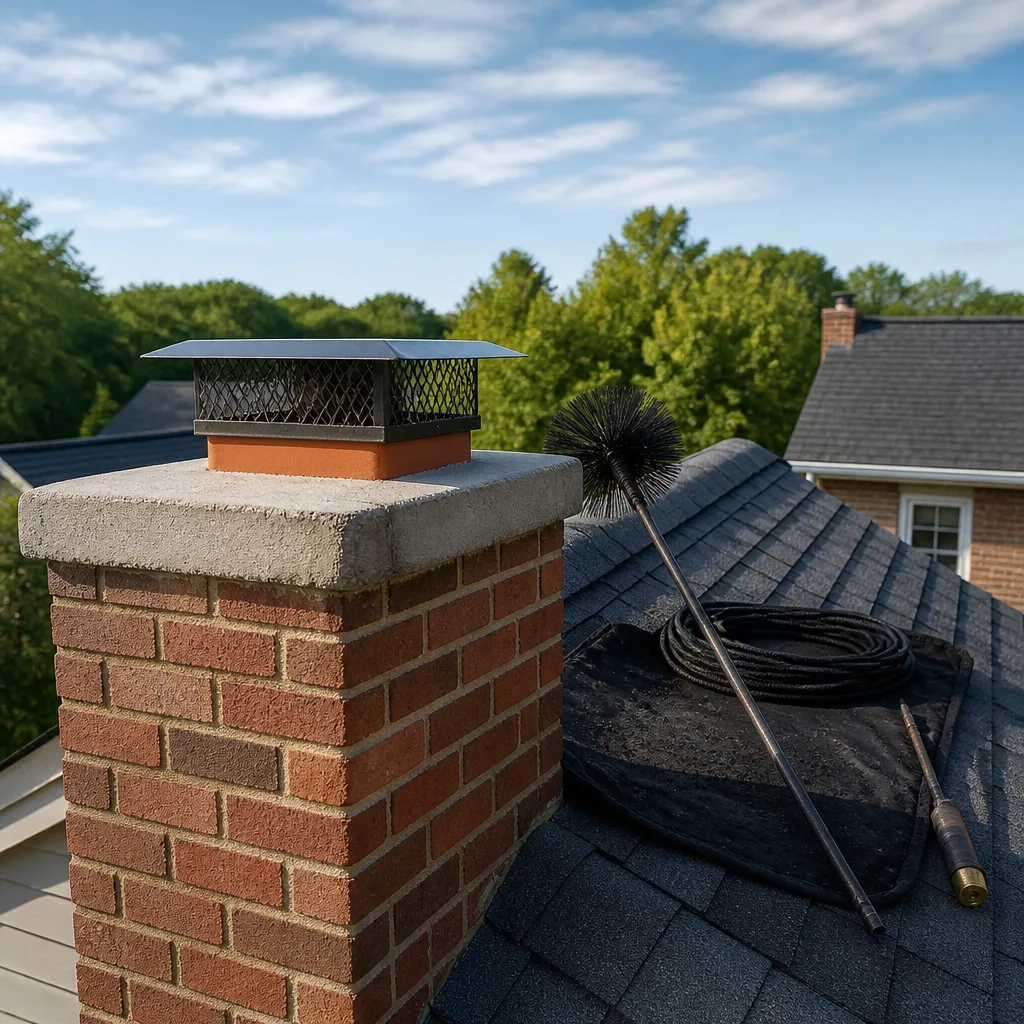 Sweep & inspection
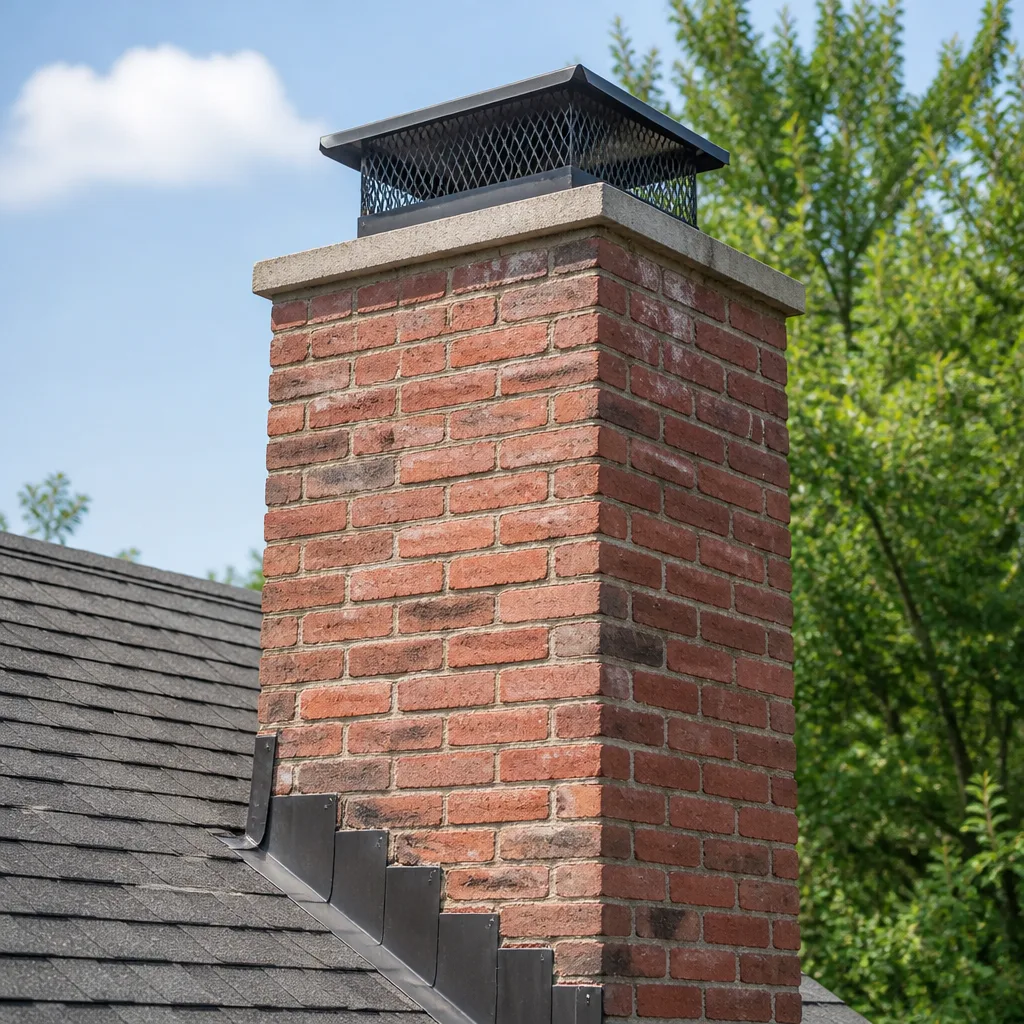 Caps & crowns
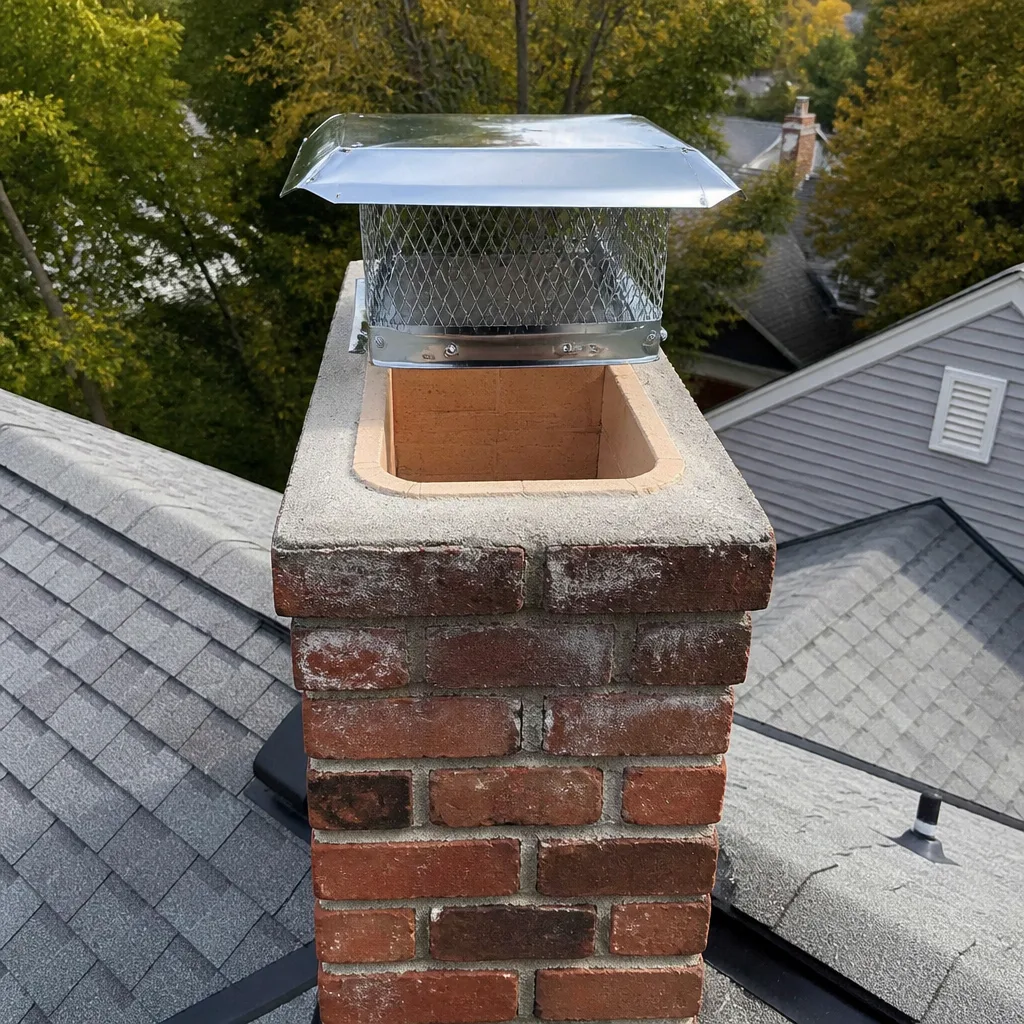 Flue relining
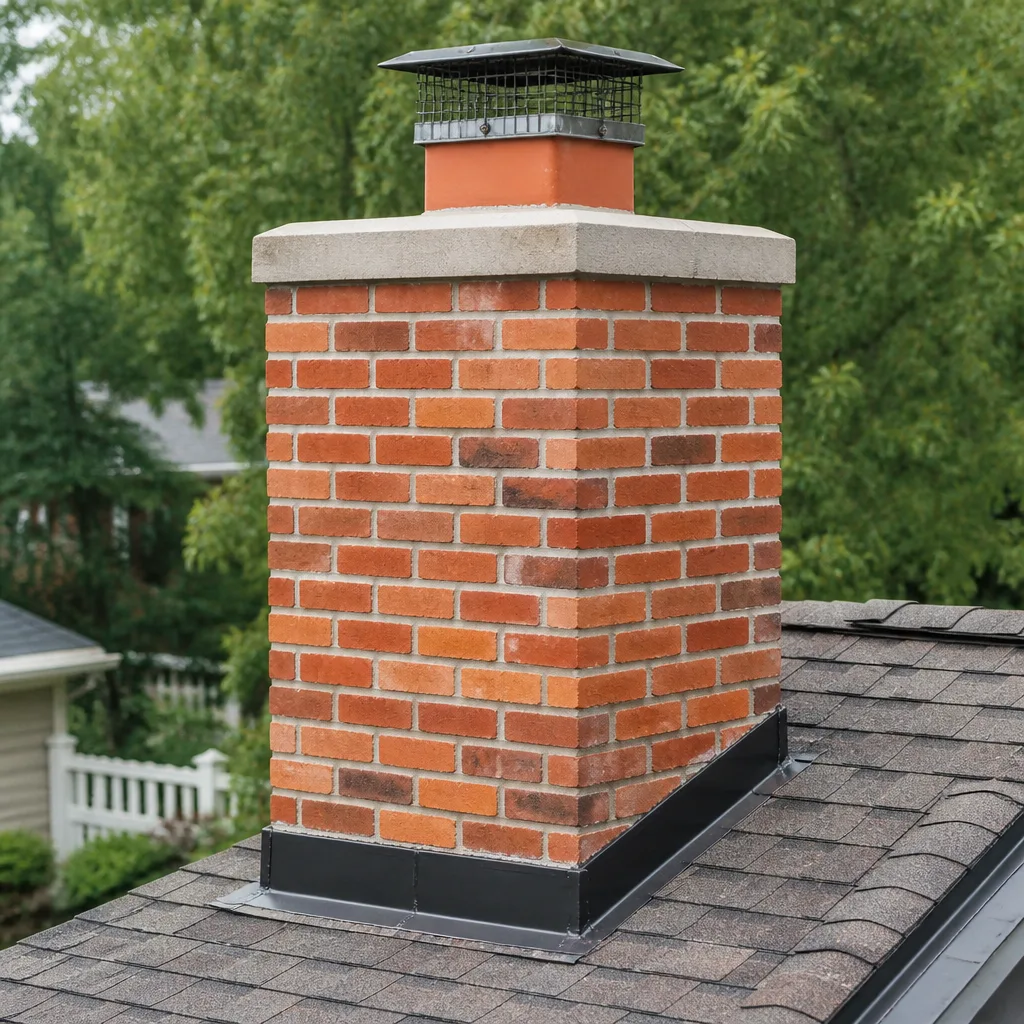 Masonry repair
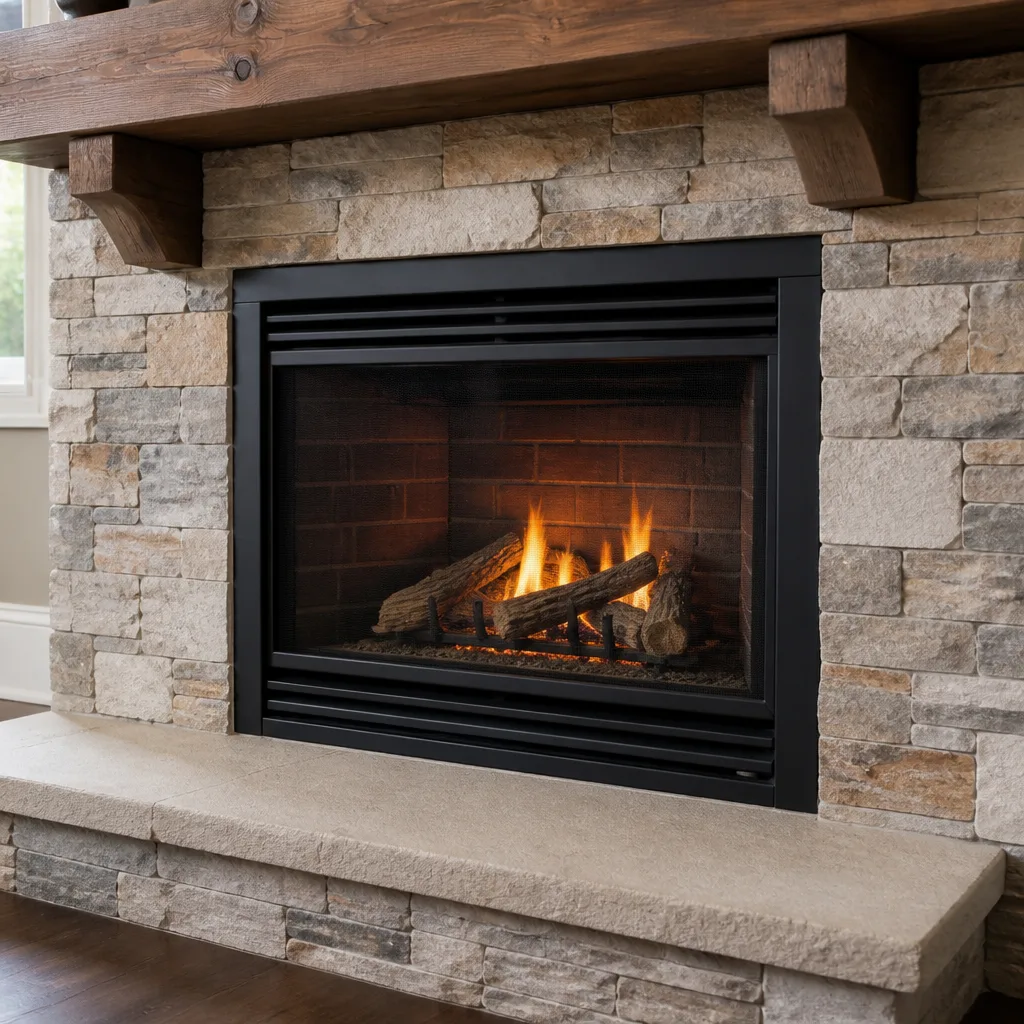 Gas fireplace service
Level 1 sweep and inspection to the NFPA 211 annual standard - flue, crown, cap, and flashing checked and photographed
Chimney sweep logs do not sweep chimneys. They loosen some creosote - which then falls where a brush and vacuum still have to collect it.
How to Hire a Chimney Cleaning Contractor in The Woodlands: A Step-by-Step Guide
Texas has no state licensing requirement for chimney sweeps. That surprises most homeowners in The Woodlands, and it should. It means anyone with a brush, a ladder, and a website can advertise as a professional chimney service, and nothing stops them. The credential that matters isn’t issued by the state, and it isn’t printed on a truck. It’s what the technician carries in training, certification, and the willingness to fix what they find instead of handing you off to a second company. This guide walks through the screening questions, the quote line items, and the inspection report details that separate a real chimney specialist from a sweep-only crew. Read it before anyone climbs on your roof.
Quick Answer
To hire a chimney cleaning contractor in The Woodlands, verify industry certification (CSIA or NFI), confirm the company can perform repairs in-house rather than referring them out, ask for a written scope of work before the sweep begins, and compare quotes by line item instead of by total. Because Texas doesn’t license the trade, certification, insurance, and repair capability are your only real screening tools. The cheapest bid usually reflects a narrower scope, not a better deal.
Styles & brands we work with
- Sweep & inspection
- Caps & crowns
- Flue relining
- Masonry repair
- Gas fireplace service
Table of Contents
- Why Screening Matters More in Texas Than Most Homeowners Realize
- Which Certifications Actually Signal Competence
- Five Interview Questions That Separate Specialists From Sweep-Only Crews
- How to Read a Chimney Service Quote Line by Line
- Why the Cheapest Bid in The Woodlands Usually Isn’t the Best Value
- What a Legitimate Inspection Report Looks Like
- The Woodlands-Specific Factors That Affect the Job
- Common Mistakes to Avoid
- When to Call a Professional
- Frequently Asked Questions
Why Screening Matters More in Texas Than Most Homeowners Realize
In states that license chimney sweeps, a bad job can cost a contractor their license. Texas doesn’t have that mechanism. There’s no state exam, no continuing education mandate, no complaint board specifically for chimney work. The oversight that exists comes from voluntary industry certification, the company’s own insurance requirements, and the homeowner’s willingness to ask questions. That last one carries more weight than it should.
The practical consequence is that the market in The Woodlands contains a wide range of operators using the same language. A sweep-only crew and a full-service chimney specialist both advertise “chimney cleaning,” and both may show up with a brush and a vacuum. The difference surfaces later, when the sweep finds a cracked flue tile, a deteriorating crown, or a gap at the smoke chamber. A sweep-only operator documents the problem and refers you to a mason or a relining company. A full-service specialist documents it, explains it, quotes it, and repairs it.
That gap between “found a problem” and “fixed a problem” is where homeowners lose time and money. In our experience, the referral often goes nowhere, or the second contractor quotes work with no context for what the first company saw. A chimney sweep that can’t finish the job is a partial service, no matter how well the cleaning itself was done.
Older masonry chimneys are common in parts of The Woodlands where homes were built decades ago, and those are exactly the chimneys most likely to produce repair findings during a sweep. Screening for repair capability before booking matters more here than in a market dominated by new construction. If your chimney is original to a 1980s or 1990s build, assume the sweep will find something, and hire accordingly.
Which Certifications Actually Signal Competence
Two credentials are worth asking about: CSIA certification and NFI certification. They’re not interchangeable, and understanding what each one requires tells you a lot about the technician standing in your living room.
CSIA (Chimney Safety Institute of America) certification is the sweep-specific credential. To earn it, a technician must pass a proctored exam covering codes, venting, combustion, and inspection standards. To keep it, they must recertify on a set cycle and complete continuing education. The maintenance requirement is the part that matters. A certification earned once and forgotten is a wall certificate; a certification that requires ongoing education means the technician is current on code changes and venting standards.
NFI (National Fireplace Institute) certification is product-specific. It covers gas, wood, and pellet appliance installation and service. If your home has a gas insert or a wood stove rather than a traditional open fireplace, NFI certification is the more relevant signal because it addresses the appliance itself, not just the flue.
Ask which certifications the technician holds and whether they’re current. A company proud of its credentials will answer without hesitation. Here’s what to listen for:
- Specific certification names, not “fully certified” or “licensed and certified” with no detail
- Willingness to explain what recertification involves for them
- Clarity on who on the crew is certified versus who is an assistant
- General liability insurance, which you should confirm regardless of certification status
Certification isn’t a guarantee of a good experience, but uncertified operators have no external standard to answer to. When the state won’t hold them accountable, the certifying body is the next best thing. Look for it.
Five Interview Questions That Separate Specialists From Sweep-Only Crews
You don’t need to interrogate anyone. Five questions, asked conversationally when you book, will sort the market cleanly. The goal is to learn what happens after the sweep finds a problem, not to put the person on the defensive.
- “If you find a cracked flue tile, do you repair it yourselves or refer it out?” The answer tells you whether you’re dealing with a one-call company or a handoff. A specialist describes its repair capability directly. A sweep-only crew describes its referral network, which is the gap this guide is about.
- “Do you do relining, and with what system?” You don’t need to know the products, but the answer should be specific. A company that names its liner system (DuraFlex, for example, or a ceramic resurfacing product like HeatShield) has made a product decision and will stand behind it. “Whatever’s needed” without specifics is a flag.
- “What does your inspection cover, and do I get a written report?” A real inspection covers the firebox, damper, smoke chamber, flue, crown, and cap. Written documentation with photos is the standard to expect. A verbal “you’re all set” is not an inspection.
- “Who does the work, and is the person on my roof certified?” Ask directly whether the technician performing the sweep holds current certification. Companies that subcontract or send uncertified helpers should say so.
- “What’s included in the price, and what would cost extra?” This question surfaces the scope cut before it happens. A sweep quote that excludes the inspection, or a repair quote that excludes the cap, is priced lower for a reason. Get the boundaries in writing.
Ask these before you book, not when the technician is already on site. The answers are more candid on the phone, and you haven’t invested a morning yet. If a company can’t answer questions two and three, that’s your answer.
How to Read a Chimney Service Quote Line by Line
A chimney quote should read like a scope of work, not a menu. Every line item should name what’s being done, where, and with what material. If you can’t tell from the quote what’s included, the quote is doing its job badly.
Here’s how to sort legitimate line items from upsell noise. Note that the dollar figures below are typical estimated ranges for planning purposes only; the written estimate sets the final price for your specific chimney.
| Line Item | Legitimate? | What to Check |
|---|---|---|
| Chimney sweep (per flue) | Yes | Priced per flue, not per house. A two-flue chimney is two sweeps. |
| Level 1 / Level 2 inspection | Yes | Should specify level and include written report with photos. |
| Camera scan of the flue | Yes, when justified | Standard during a Level 2 inspection or when a problem is suspected. |
| Cap and screen installation | Yes, if missing or damaged | Purpose-built cap (Gelco, Famco) versus improvised hardware. |
| Crown repair or seal | Yes, if cracked | Ask for photos of the crown before and after. |
| Flue tile replacement | Yes, if cracked or spalling | Should follow visible evidence, not a hard sell. |
| Relining | Yes, when justified | Only after camera evidence of a failed liner. Get the reasoning in writing. |
| “Chemical cleaning” add-on | Usually not | Rarely necessary. Ask why, and what it removes that a standard sweep won’t. |
| “Protective coating” without inspection | Usually not | Legitimate liner restoration follows a documented defect, not a routine add-on. |
Two patterns separate a real quote from a padded one. First, legitimate line items connect to something the inspector saw and documented. Second, a real quote separates the cleaning from the repairs so you can decide on each independently. If everything is bundled into one price with no breakdown, ask for it itemized before you sign anything.
Also confirm whether the quote includes disposal of old components, sealing at the top plate, and a post-repair inspection. Those are easy to leave off and expensive to discover later. A written estimate from a company that does its own repairs tends to be more complete, simply because the same company has to stand behind the finished job.
Why the Cheapest Bid in The Woodlands Usually Isn’t the Best Value
The lowest chimney cleaning quote in The Woodlands usually reflects a narrower scope, not a more efficient operation. When one company quotes materially less than the others, the difference is almost always in what’s excluded: the inspection, the camera scan, the written report, the cap check, or the repair capability itself.
This is the gap to watch for. A sweep-only crew can quote low because its work ends at the brush. It doesn’t carry the overhead of repair crews, liner inventory, or the training required to install a system like DuraFlex. When the sweep finds a problem, that company’s quote was accurate for the work it actually does. The homeowner simply didn’t know the work would stop there.
The cost of that gap shows up in stages. First, the follow-up appointment with a second contractor, which means another scheduling delay. Second, the second contractor quotes without the context of the original inspection, so the scope may not match what was documented. Third, if repair work sits unaddressed through a season of fireplace use, the defect can worsen.
There’s a straightforward test. Ask each company to quote the sweep and the inspection as separate line items, then ask which repairs it can perform in-house and which it would refer. The quote that covers the widest range of likely outcomes without a handoff is the one that reflects a full-service operation. Compare that against the lowest total, and the low bid rarely wins on value. For a closer look at what repair scope typically involves, our chimney repair page breaks down common findings and how they’re addressed.
What a Legitimate Inspection Report Looks Like
A legitimate inspection report is a multi-page document with photos, not a one-page form designed to justify a relining sale. This is the single most useful distinction in the entire hiring process, because the report is what you’ll use to make repair decisions for years.
The Chimney Safety Institute of America defines three inspection levels, and knowing which one you’re getting sets expectations. A Level 1 inspection covers readily accessible portions of the chimney with the appliance connected. A Level 2 adds a camera scan of the flue interior and applies when a chimney changes hands, changes fuel type, or after an event like a chimney fire. A Level 3 involves opening walls or other construction to access concealed areas and is rare in routine work.
For a home purchase in The Woodlands or a chimney with any known history, a Level 2 inspection with camera is the appropriate baseline. Here’s what a report should contain:
- Photos of the firebox interior, damper, smoke chamber, and flue
- Camera images of the flue at intervals, with defects identified and located
- A written description of each finding, not just a checklist
- A crown and cap assessment, since exterior defects drive most water intrusion
- Clear distinction between safety defects and cosmetic issues
- Recommendations with reasoning, not just a price
Read the recommendations critically. A report that recommends relining on the first visit, without visible evidence of a failed liner, deserves a second opinion. A report that documents a spalled tile or a cracked crown with a photo, explains the consequence, and offers a repair that doesn’t require relining is doing its job. Ask to see the photos. Any company that inspected with a camera has them.
If you’d like to see how inspections are structured before you book, our overview of Highpoint Chimney Sweep covers the three services and how they connect. The point isn’t to sell you an inspection; it’s that an inspection report is your leverage in every conversation that follows.
The Woodlands-Specific Factors That Affect the Job
Chimney work in The Woodlands has a few local characteristics worth knowing before you book. The area’s climate is mild, which means chimneys here see less heating demand than in northern markets, but it also means a chimney can sit unused for long stretches between cold snaps. Long idle periods are when animal nesting and debris accumulation happen, and both show up during a sweep.
The housing stock matters too. Many homes in The Woodlands have masonry chimneys original to the build, and those chimneys are at the age where crowns crack, flashing separates, and flue tiles spall. Newer homes often have factory-built fireplaces or gas inserts, which need the same regular attention but with appliance-specific service. A company that handles both types by default is a better fit than one that only works on traditional open fireplaces.
Also consider the trees. The Woodlands is heavily wooded, and leaf litter, seed pods, and small debris land on roofs and collect around caps. A missing or damaged cap is one of the most common findings during a sweep here, and it’s also one of the cheapest to fix. Purpose-built caps from a manufacturer like Gelco or Famco do the job; improvised covers made from hardware-store mesh don’t hold up. If your technician can’t tell you the difference, keep looking.
Finally, book ahead of the cold season. When the first real cold snap arrives in The Woodlands, every sweep in the area fills up quickly. Scheduling a cleaning in the warmer months, before the first fire of the season, gets you a better appointment window and leaves time to address any repair before you need the chimney. There’s no urgency to a chimney sweep on a daily basis, but there’s a clear seasonal one.
Common Mistakes to Avoid
- Hiring a sweep-only crew and assuming repairs are covered. A sweep that hands off defects to a second company is a partial service. Ask about repair capability at booking, not after the sweep.
- Treating the lowest quote as the best price. In The Woodlands, a materially lower bid usually excludes the inspection or the camera scan. Compare line items, not totals.
- Skipping the written report. A verbal “your chimney looks fine” gives you nothing to act on. Insist on a written report with photos before the technician leaves.
- Accepting a relining recommendation without evidence. Relining is legitimate when a liner has failed, but it should follow camera images you can see. Ask to see them.
- Ignoring the cap and crown. These are the exterior components that keep water out, and they’re the most common findings in The Woodlands. A cleaning that doesn’t check them is incomplete.
- Booking in the first cold week. Chimney companies fill quickly when temperatures drop. Schedule in the warmer months to avoid competing for appointments.
- Not confirming certification and insurance up front. With no state licensing in Texas, this is your only external check. Ask before the technician arrives.
When to Call a Professional
Call a professional when the chimney hasn’t been cleaned in a year or more, when you’re buying or selling a home with a fireplace, or when you switch fuel types. Also call if you notice a strong creosote smell, soot staining around the firebox, a damper that sticks, or visible cracks in the firebox or crown. Any chimney fire, even a small one, warrants an inspection before the next use. If you’re unsure whether a problem is real, that uncertainty is itself a reason to book an inspection; the report is how you find out.
Highpoint Chimney Sweep offers free estimates in The Woodlands. Call (844) 320-3258. We answer 24/7. Fast dispatch from 7am to 7pm, Sunday through Friday. Our technicians have up to 12 years of experience, and repair and installation work draws from professional-grade products including DuraFlex, HeatShield, Gelco, and Copperfield, the same brands contractors and chimney professionals rely on.
Frequently Asked Questions
A chimney sweep in The Woodlands typically falls in a range that depends on the number of flues, the level of inspection, and whether a camera scan is included. Quotes are per job, and the written estimate sets the final price. Compare quotes by line item rather than total, since a lower total often excludes the inspection or the report. Call (844) 320-3258 for an exact quote. Estimates are free.
You need a new liner only if the existing liner has failed, and a failed liner should be documented with camera evidence you can see yourself. Relining is a legitimate repair when a flue tile is cracked, spalled, or missing, but it should never be recommended without visible proof. Ask to see the camera images and the written reasoning before you agree. If a company can’t show you, get a second opinion. Call (844) 320-3258 to talk through what you’ve been told.
A chimney should be swept at least once a year when it’s in regular use, and more often if you burn frequently or burn unseasoned wood. The annual sweep is also the occasion for an inspection, which is how problems get caught early. For a chimney in The Woodlands that sees only occasional winter use, the annual cleaning still matters because debris and animal nesting accumulate during idle months. Call (844) 320-3258 to book a sweep.
Skipping a sweep allows creosote to build up inside the flue, and creosote is the fuel that feeds a chimney fire. It also means small defects like a cracked crown or a missing cap go unaddressed and can worsen over a season. The risk is real but not immediate, which is exactly why it gets deferred. A cleaning and inspection is how you find out where you stand. Call (844) 320-3258 and we’ll tell you honestly whether work can wait.
No. Texas does not license chimney sweeps, so there’s no state credential to verify. Instead, ask about CSIA and NFI certification, confirm general liability insurance, and ask whether the company performs repairs in-house. Those three answers do the screening that a state license would otherwise do. Call (844) 320-3258 if you’d like to know what we hold.
Yes. A pre-purchase chimney inspection is a standard request, and a Level 2 inspection with a camera scan is the appropriate level when a home changes hands. The report documents the flue, firebox, crown, and cap, and it gives you negotiating leverage if repairs are needed. Call (844) 320-3258 to schedule before your option period closes.
The Bottom Line
Hiring a chimney contractor in The Woodlands comes down to screening for capability, not credentials on a truck. Texas doesn’t license the trade, so CSIA and NFI certification, insurance, and in-house repair capability are your only real checks. Ask the five interview questions before you book, compare quotes by line item instead of total, and insist on a written inspection report with photos. The cheapest bid usually reflects a narrower scope, and the real cost is the second contractor who may never come. If a company can inspect, clean, and repair in one visit, you’ve found the right hire. Call (844) 320-3258 for a free estimate on your The Woodlands home.
Written by the team at Highpoint Chimney Sweep.
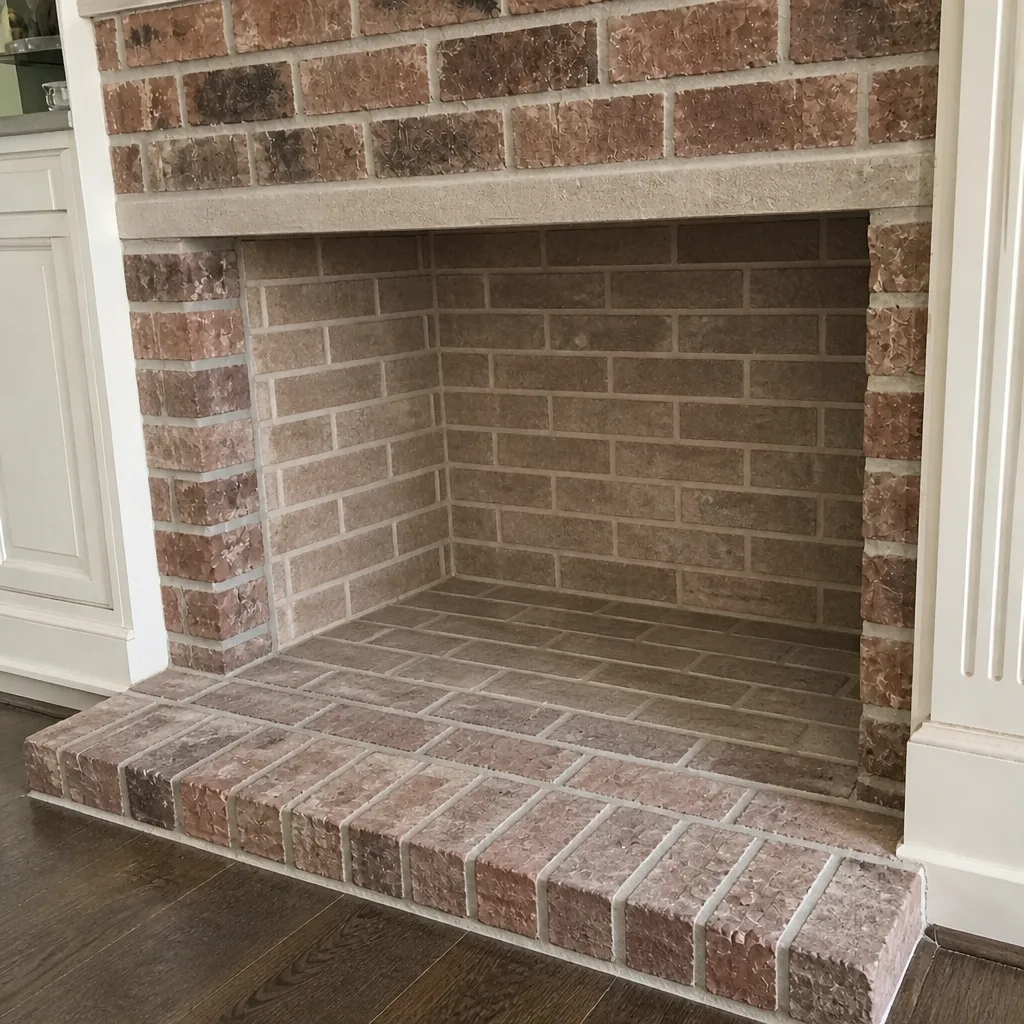
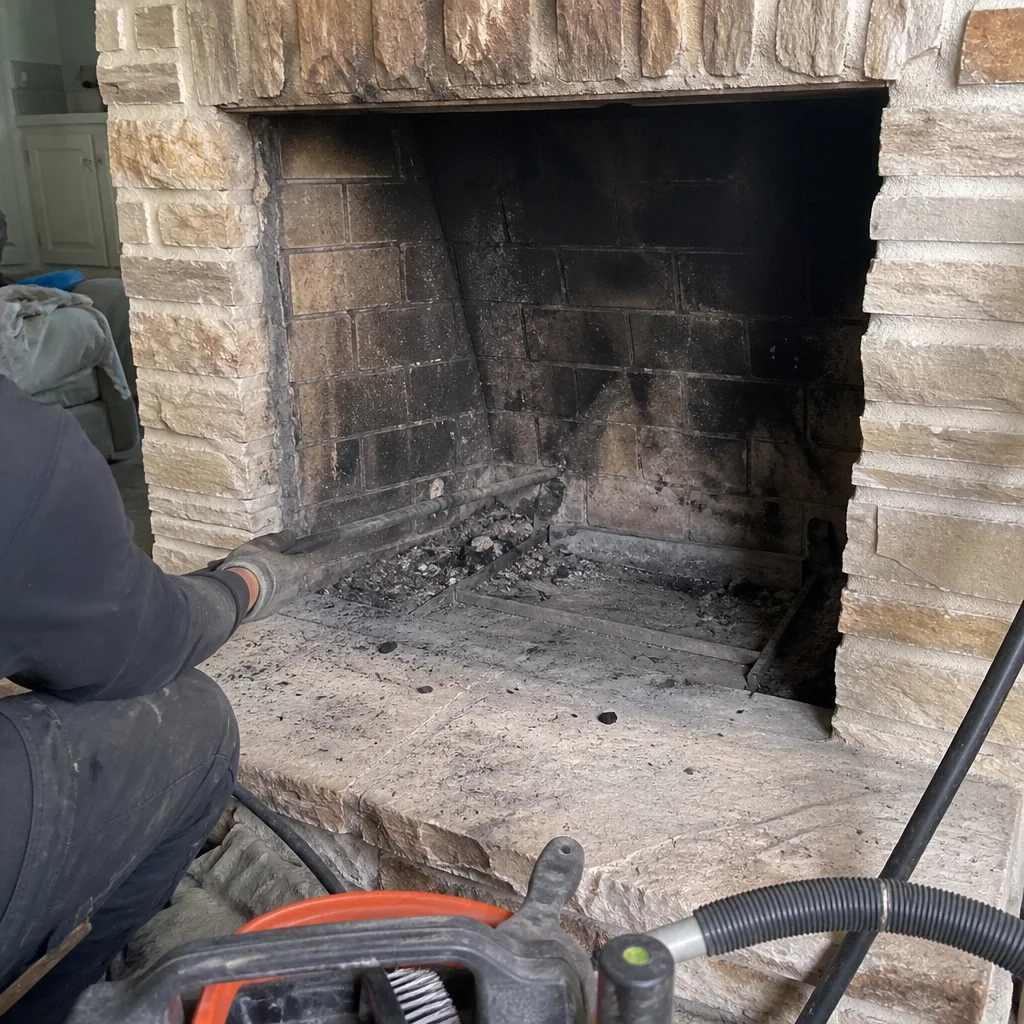
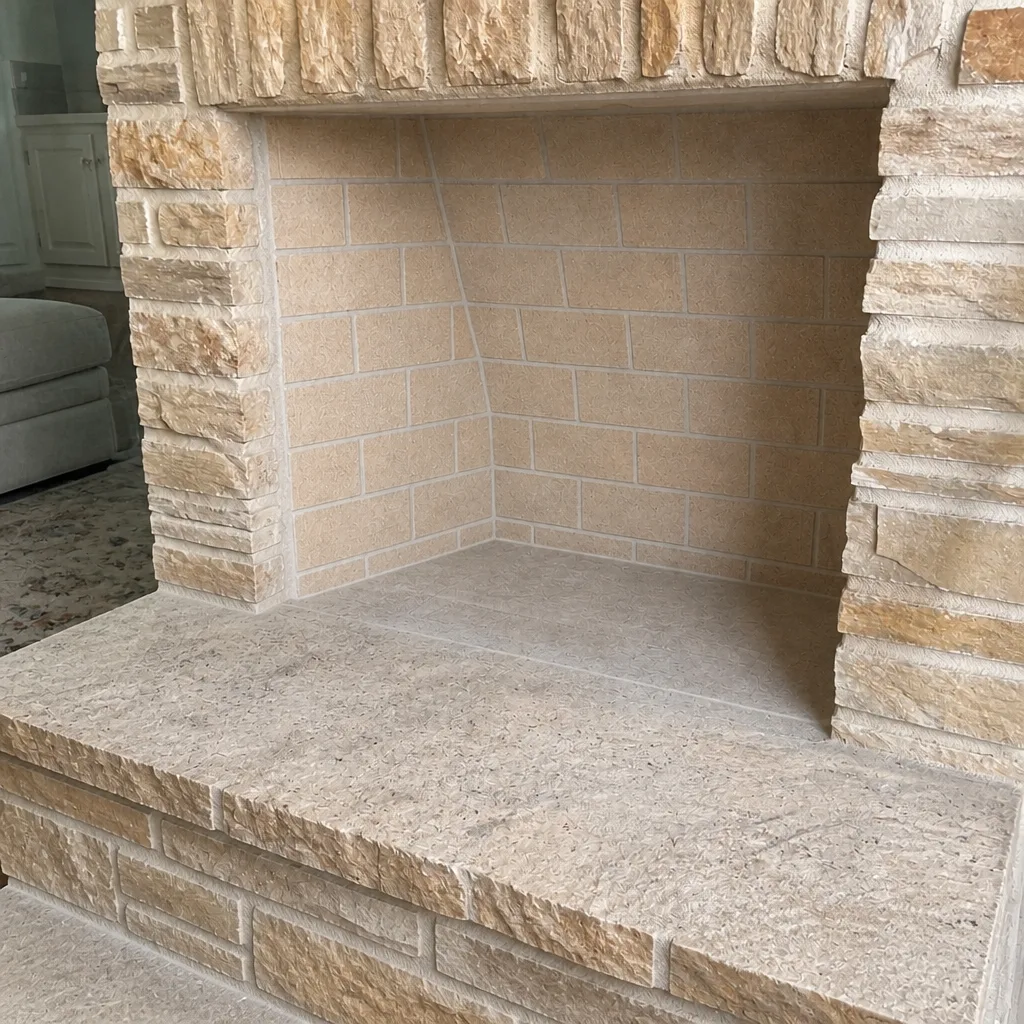
See the difference
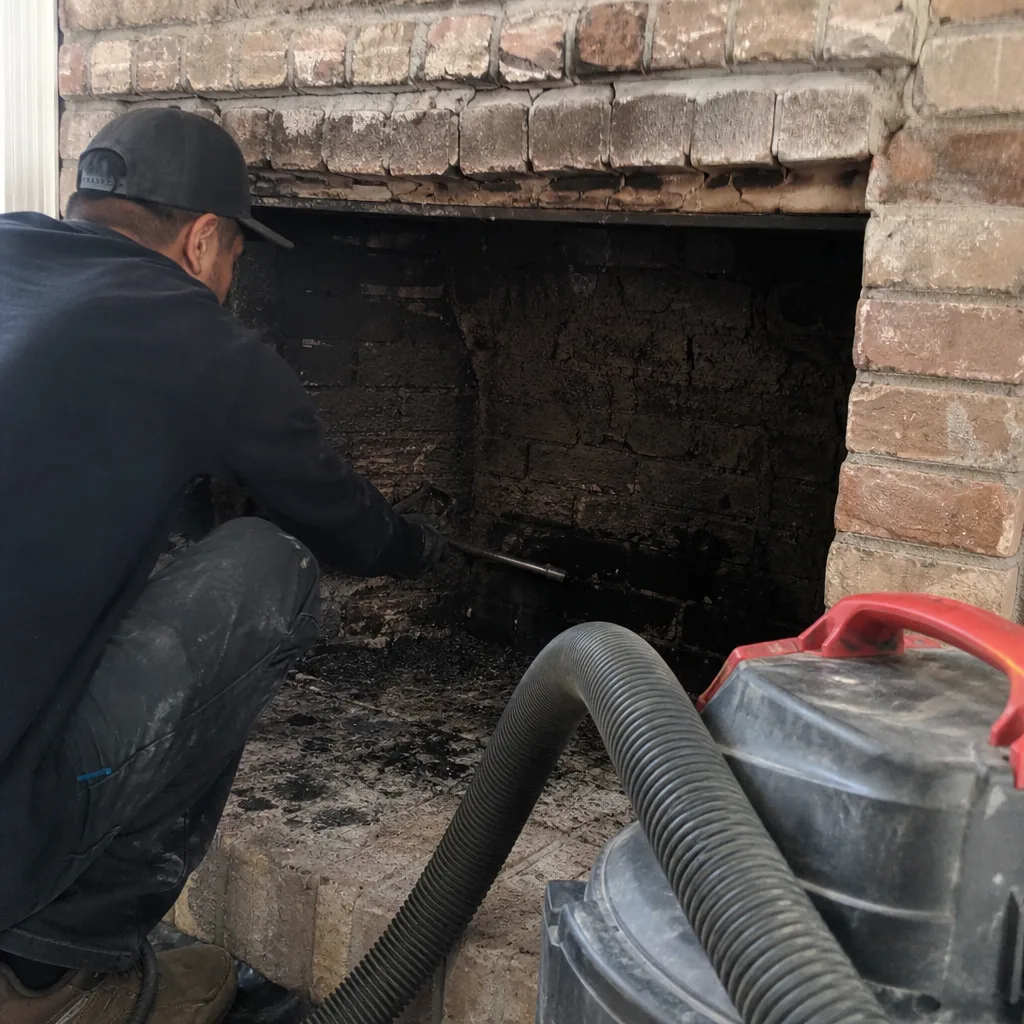 Before
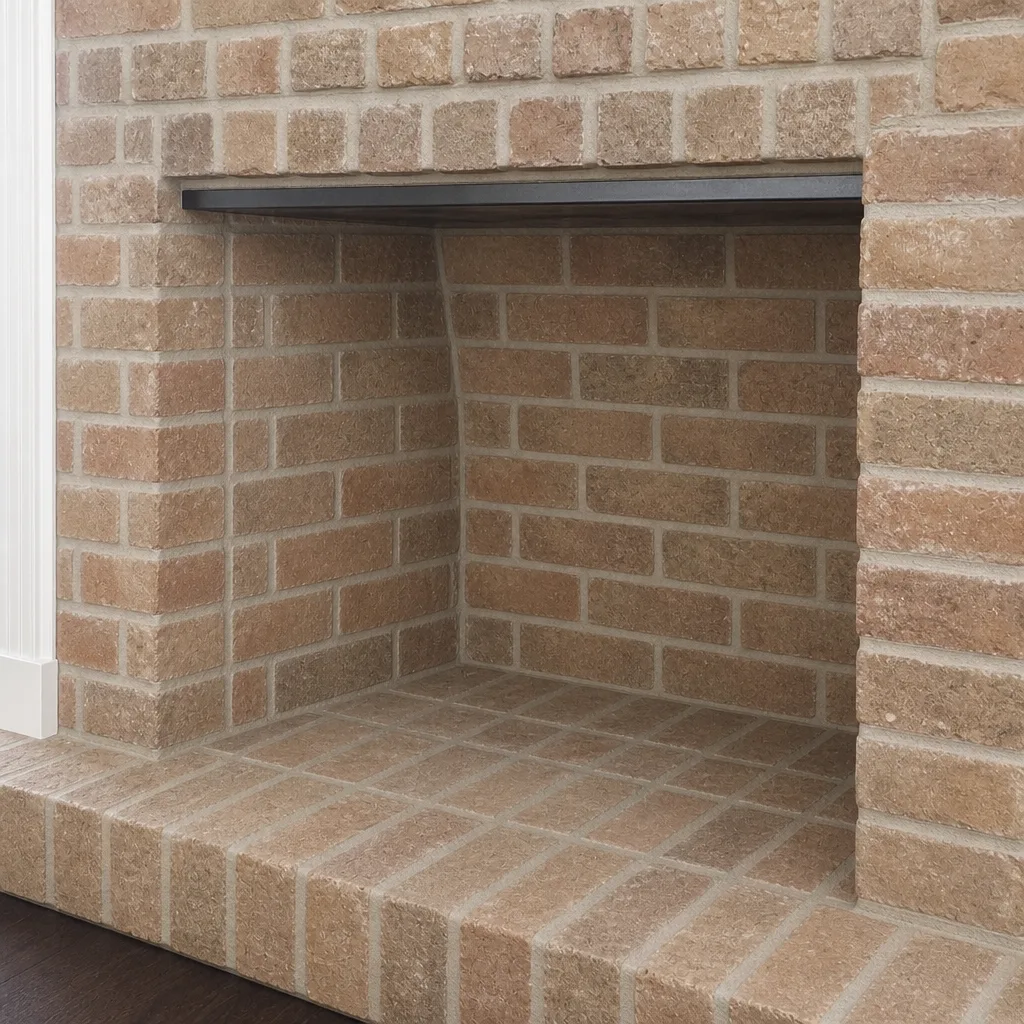 After
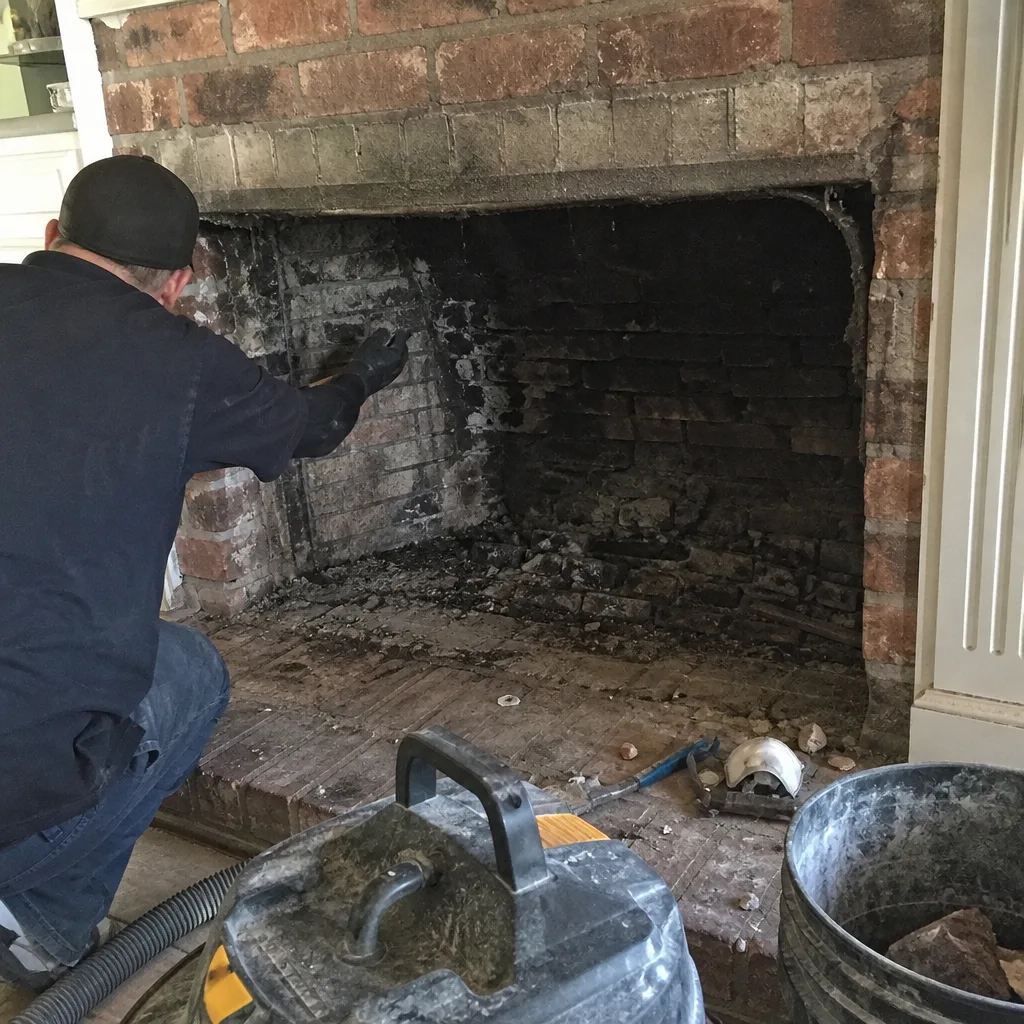 Before
 After
 Before
 After