
Last updated November 15, 2026
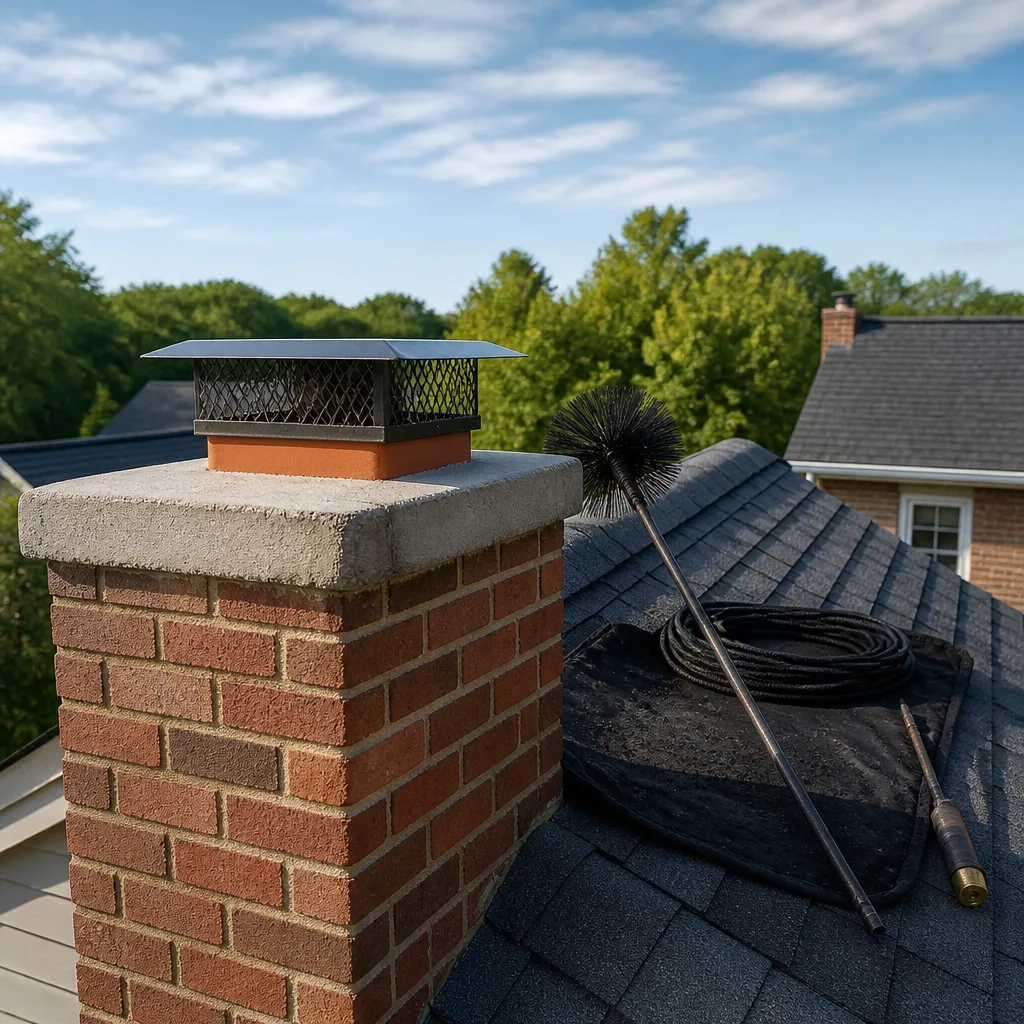 Sweep & inspection
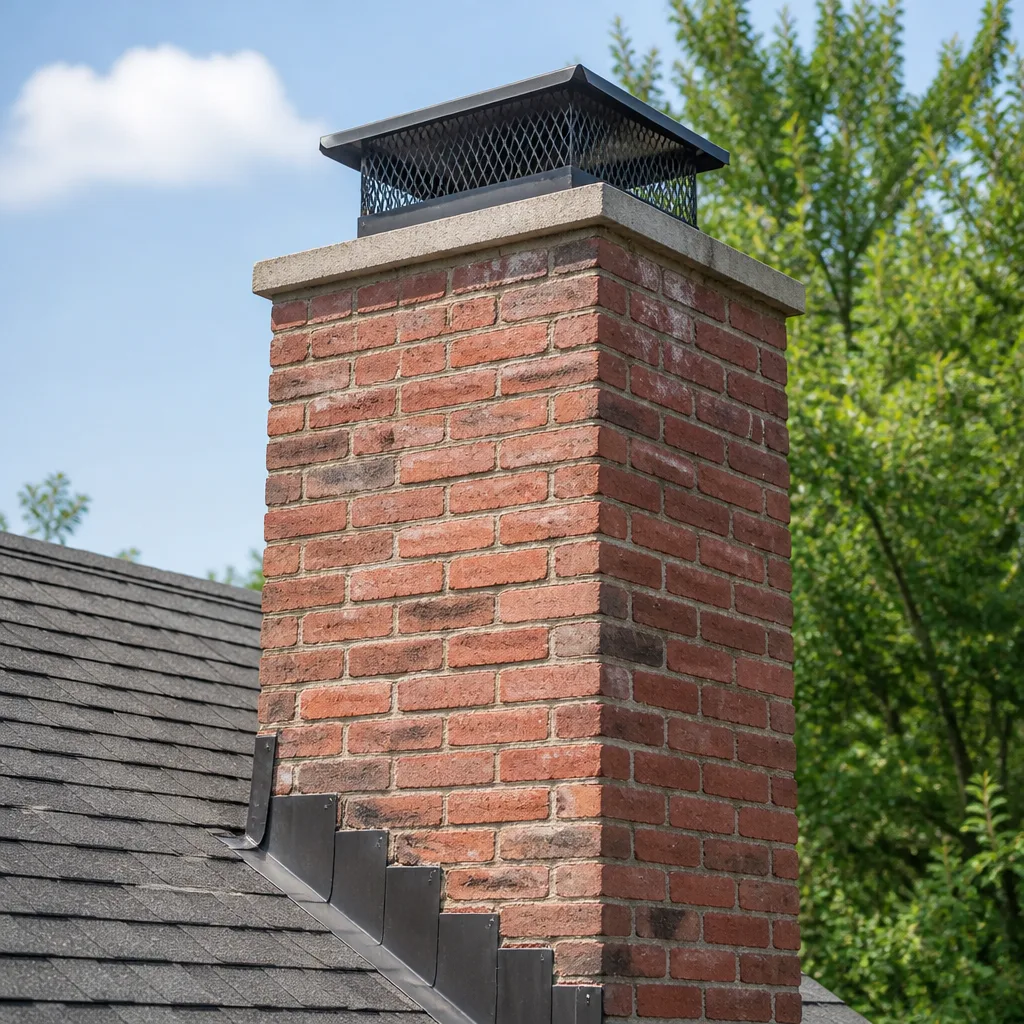 Caps & crowns
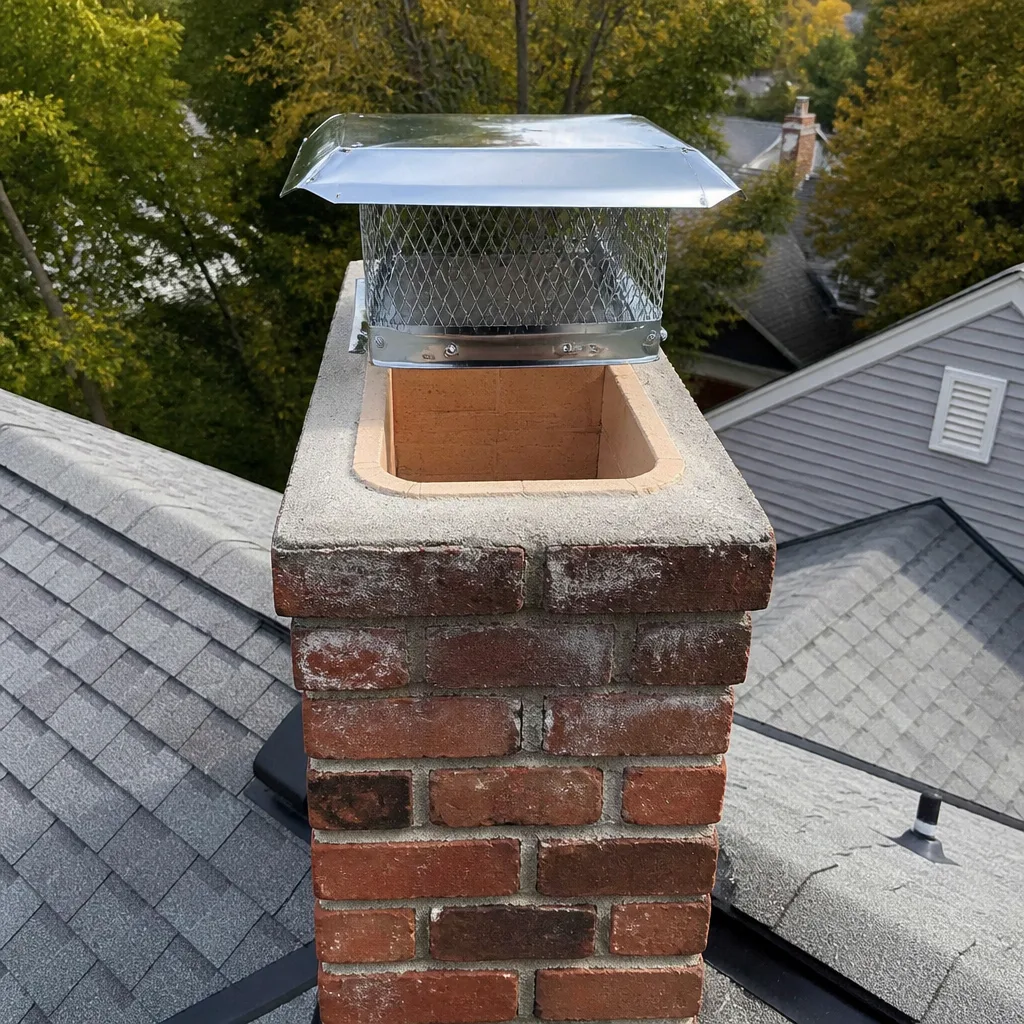 Flue relining
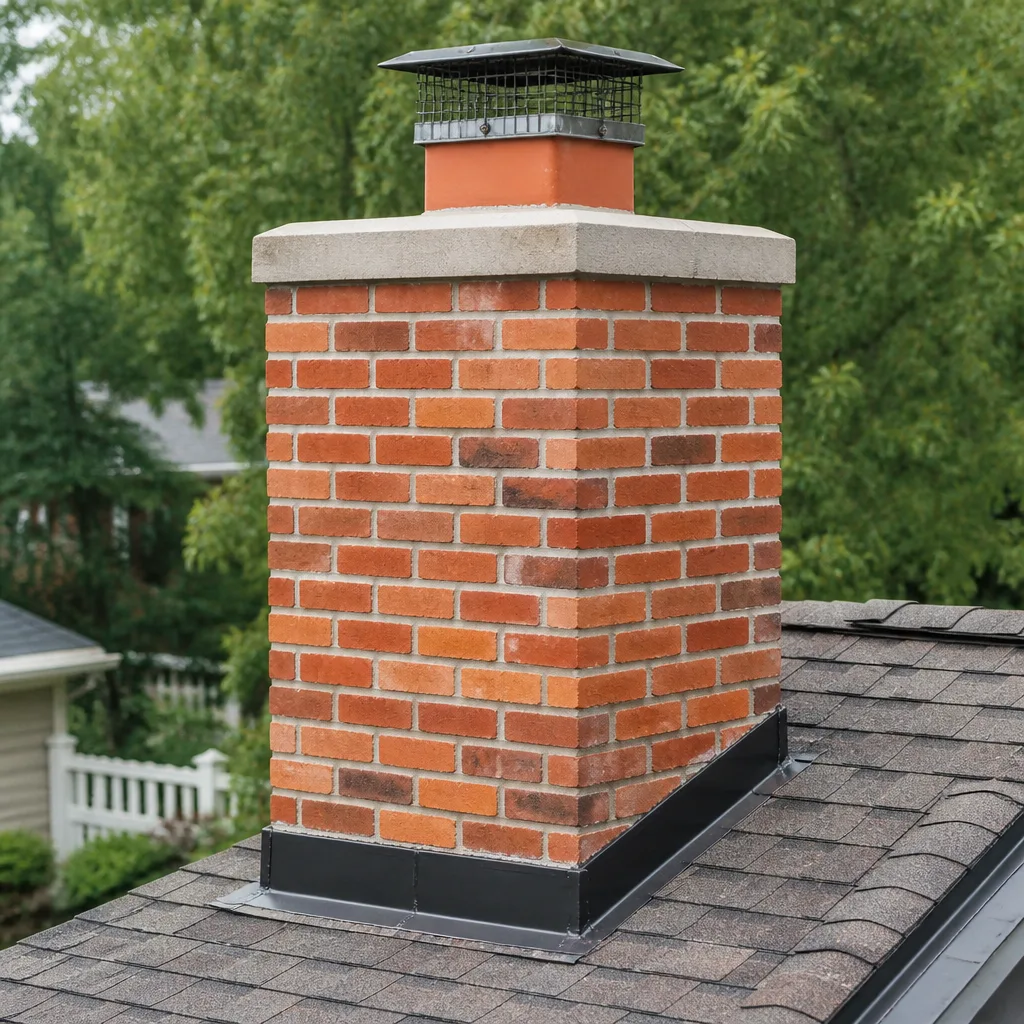 Masonry repair
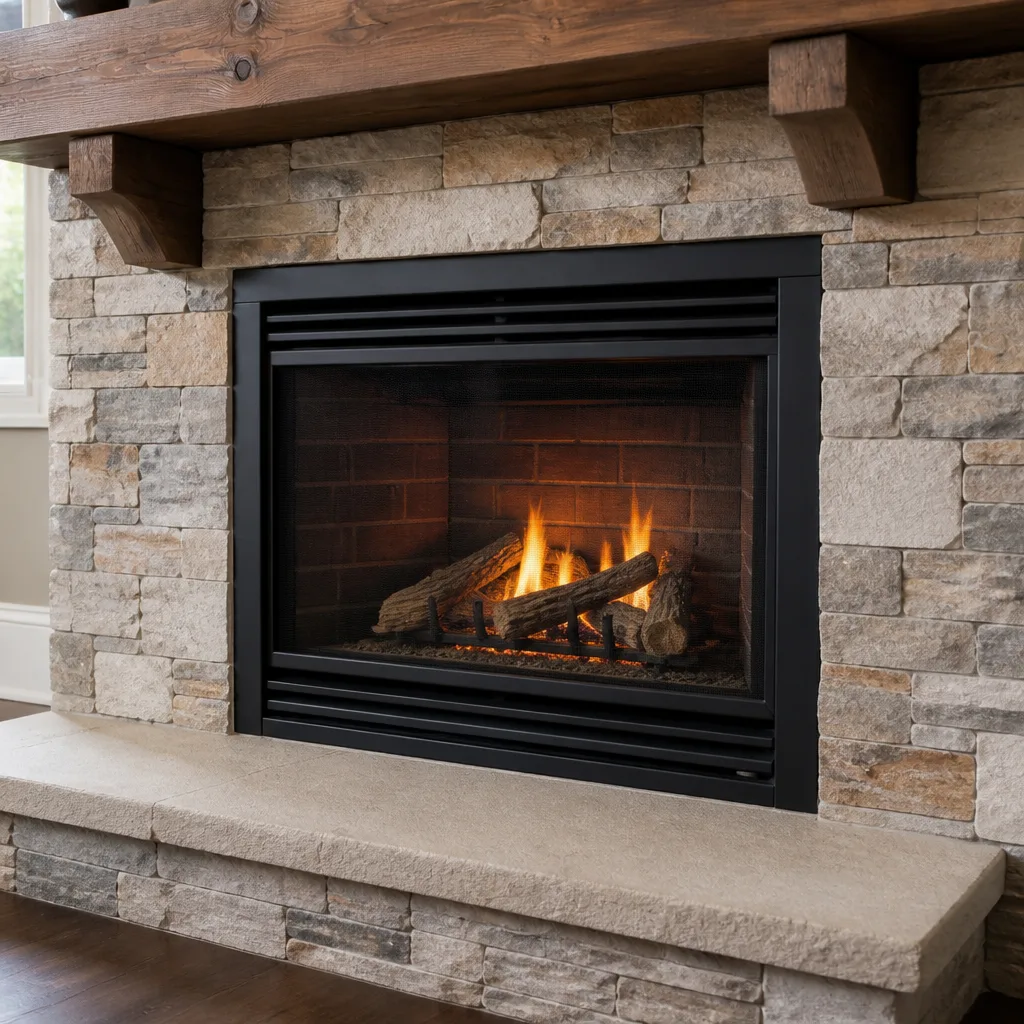 Gas fireplace service
Level 1 sweep and inspection to the NFPA 211 annual standard - flue, crown, cap, and flashing checked and photographed
Chimney sweep logs do not sweep chimneys. They loosen some creosote - which then falls where a brush and vacuum still have to collect it.
Chimney Sweep Maintenance Checklist for The Woodlands Homeowners
August is the month most homeowners here skip chimney maintenance. That’s backwards. By August, The Woodlands has been through months of heavy rain and humidity, and the masonry on your chimney has been quietly absorbing moisture the whole time. When the first cool front finally arrives in late October or November and you light that first fire, a cracked crown or a crumbling mortar joint has already had all summer to get worse. A chimney that looked fine in March can be water-damaged by September. This guide gives you a checklist built around our actual climate calendar, the five exterior parts you can check safely from the ground, and the conditions that mean you stop checking and call a professional instead.
Quick Answer
A chimney maintenance checklist for The Woodlands should follow the local weather, not a four-season schedule written for cold climates. The essentials: check the five exterior components (crown, cap, flashing, mortar joints, liner collar) from ground level each spring and fall, schedule a professional sweep and inspection before the first fire of the season, and after any major storm. A properly maintained chimney in The Woodlands gets a professional sweep roughly once a year when it’s used regularly, plus a visual owner check before and after the burning season.
Styles & brands we work with
- Sweep & inspection
- Caps & crowns
- Flue relining
- Masonry repair
- Gas fireplace service
Table of Contents
- Why The Woodlands Needs a Different Maintenance Calendar
- The Month-by-Month Chimney Checklist for The Woodlands
- The Five Exterior Components You Can Check From the Ground
- What a Homeowner Can Safely Verify vs. What Needs a Professional
- How to Keep a Maintenance Log That Works for Insurance and Resale
- Red Flags That Stop the Checklist and Require a Call
- Understanding What a Chimney Inspection Actually Covers
- Storm Season: The Woodlands-Specific Post-Storm Routine
Why The Woodlands Needs a Different Maintenance Calendar
Most chimney maintenance advice on the internet assumes a northern climate: snow, freeze-thaw cycles, and a long idle winter where the chimney sits cold for months. That’s not what happens in The Woodlands. Our burning season is short. We run the fireplace from roughly November through February, sometimes into March, and the rest of the year the chimney is idle but not inactive. It sits through a humid subtropical summer, a long rainy stretch in spring, and heavy afternoon thunderstorms through late summer and early fall.
That idle, wet summer is what actually degrades a chimney here. Masonry is porous. It absorbs moisture from humid air and driving rain, and the sun then pulls that moisture back out. Repeated over a full summer, that cycle works on mortar joints and crowns, opening hairline cracks that widen over time. The moisture that gets into a cracked crown can freeze on the odd cold night in January, but the real damage happens during the warm months when you’re not thinking about your chimney at all.
So the calendar shifts. In a cold climate, the peak chimney-maintenance month is early fall, right before heavy use. In The Woodlands, the two most important checkpoints are late spring, after the burning season ends and before summer rains set in, and late summer, in August, before the fall rains arrive and before that first fire. Most homeowners skip the August check entirely, and that’s the gap we see most often during local inspections.
Creosote complicates the picture. Wood smoke leaves creosote deposits inside the flue, and those deposits build up regardless of climate. A slow-burning, smoldering fire produces more creosote than a hot one. If you burn green or unseasoned wood, or you damper the fire down overnight, deposits build faster. Creosote is what makes a chimney sweep necessary on a fixed schedule, not just when something looks wrong. A clean chimney is the starting point, not the finish line.
The Month-by-Month Chimney Checklist for The Woodlands
Here’s the checklist timed to how The Woodlands actually cycles through a year. Some of these are owner tasks you can do from the ground. Some are professional tasks to schedule. The point is that nothing gets skipped because it fell between two seasons.
- January and February (mid-burning season): Do a ground-level look at the crown and cap after any stretch of heavy rain. Listen for new sounds inside the flue when the fire is burning. Keep a small pad near the fireplace and note anything unusual: smoke rolling back into the room, a smell that lingers when the fire is out, or a draft that’s changed.
- March (end of burning season): This is your first big checkpoint. Once you’ve stopped burning for the year, schedule the annual sweep and inspection. Creosote sits all summer if you skip it, and a professional inspection now catches anything the heating season exposed.
- April and May (spring rains): Walk the exterior of the chimney from the ground and photograph the crown, cap, flashing, and mortar joints. The spring rains are the first real test of how the masonry held up over the winter. Compare these photos to last fall’s.
- June through August (summer heat and storms): This is the stretch most homeowners forget. The sun bakes moisture out of the masonry, and the afternoon storms drive rain against it. Do a ground-level exterior check after any significant storm. This is the window to catch water damage before fall.
- September and October (before the first fire): Schedule your pre-season professional inspection and sweep if you didn’t do it in spring. Test the damper by hand. Confirm you have a working carbon monoxide detector in the room. Have your first firewood delivery inspected for moisture content.
- November and December (burning season opens): Burn dry, seasoned wood. Avoid long, smoldering overnight fires. Do a quick ground-level check after the first few fires, and watch for any change in how the fire draws.
A chimney sweep in The Woodlands usually books up in the weeks before the first cold front, so the September and October slot is the one to lock in early. Booking in spring takes pressure off fall. Either way, the sweep is the anchor point of the whole checklist.
The Five Exterior Components You Can Check From the Ground
You don’t need to climb a ladder or get on a roof to check the most vulnerable parts of your chimney. The five exterior components that fail first can all be inspected from ground level with a pair of binoculars and a phone camera. Our own technicians check these on every visit, and homeowners can do the same visual sweep safely between professional visits.
- The crown. The concrete or masonry cap at the very top of the chimney, designed to shed water away from the flue. Look for visible cracks, crumbling edges, or a crown that’s pulling away from the flue. A failed crown is the single most common entry point for water.
- The cap and spark screen. The cover over the flue opening. It should be intact, securely attached, and rust-free. A missing or damaged cap lets rain straight down the flue and gives birds and squirrels an opening. Proper caps and covers use purpose-engineered components; Gelco and Famco make the kind of caps and covers we install for exactly this reason.
- The flashing. The metal or membrane seal where the chimney meets the roof. Look at the roofline where the chimney passes through. Missing flashing, lifted edges, or a line of dark staining below it means water is getting in.
- The mortar joints. The lines of mortar between the bricks. From the ground, look for joints that have receded, cracked, or turned to powder. Widely eroded joints mean the brickwork is losing its structural grip.
- The liner collar. Where the flue liner meets the top of the chimney, the liner collar needs to sit properly to keep water and animals out of the space between liner and chimney wall. From below, look for a collar that’s come loose or dropped.
Take photos on your phone before and after storm season. Nothing tells you whether a crack has widened like a side-by-side comparison. If a component looks wrong, note the date and move to the red-flag section below.
What a Homeowner Can Safely Verify vs. What Needs a Professional
Some checklist items you can handle yourself without risk. Others genuinely require a licensed sweep, and not just because it’s difficult. Electrical, gas, and structural components can injure or kill you, and a chimney is no exception.
What you can safely check yourself:
- The five exterior components listed above, from the ground with binoculars or a phone camera.
- The damper, operated by hand from inside the firebox. Confirm it opens, closes, and stays in position.
- The firebox and smoke shelf, visually from the hearth. Look for obvious cracks, loose brick, or a buildup of ash that hasn’t been removed.
- The carbon monoxide detector in the room. Test it and replace the battery on a schedule.
- Your firewood supply. Dry, seasoned wood burns hotter and cleaner than green wood.
What requires a professional:
- Anything involving the flue or the interior of the chimney above the firebox. A professional sweep with a camera inspects the flue interior in a way you can’t from below. This is not a do-it-yourself area.
- Any work on the roof, crown, cap, or flashing. Height work is genuinely dangerous, and an improper repair can make a leak worse. Our technicians have up to 12 years of experience with roof-level chimney work for a reason.
- Any gas appliance connected to the chimney. Gas lines and gas appliance venting are not homeowner territory.
- Liner work. A damaged flue liner needs a professional assessment and usually a professional repair. We use the HeatShield ceramic resurfacing system for certain liner restoration jobs, and DuraFlex stainless liner systems for full relining, both installed only after a proper inspection.
The dividing line is simple. If the task involves climbing the roof, opening the flue, or touching a gas appliance, it’s a professional job. The rest is ground-level observation that makes your next professional visit more useful.
How to Keep a Maintenance Log That Works for Insurance and Resale
Most homeowners keep loose receipts, if they keep anything. In practice, homeowners insurance can ask for records of maintenance after a chimney-related claim, and a buyer during a home sale in Texas will want documentation of what’s been done. A simple log solves both problems at once.
Here’s a format that works. Keep a single folder, digital or paper, with four sections:
- A chronological service log. One line per visit: date, what was done (sweep, inspection, repair), who did it, and the invoice or receipt. Note whether a camera inspection and photo report was included. This is the record that matters most.
- Photographs with dates. Every ground-level check, before and after storm season. A dated photo of the crown in good condition, followed by later photos, tells a clearer story than any written description.
- Product documentation. If any component was replaced, keep the make and model. If a cap, crown, or liner was installed, the paperwork from the installer should identify the product. Knowing exactly what’s on your chimney helps the next technician and the next buyer.
- A repair history summary. A one-page summary of anything structural: liner work, crown repair, flashing repair. Note the brand if you know it (for example, if a DuraFlex liner system was installed, or a HeatShield restoration was done). This one page is what a buyer’s inspector will read first.
Keep the folder with your home documents. The next time you schedule a chimney repair or an inspection, bring it out and add to it. It’s a five-minute habit that pays off at two moments most homeowners don’t plan for: a claim, and a sale.
Red Flags That Stop the Checklist and Require a Call
Some conditions are not “add it to the list” items. They’re stop-and-call items, because continuing to burn could be dangerous. We’d rather you call and be told it can wait than keep a list running when a real problem is developing.
- Smoke rolling back into the room. If smoke spills into the room when you open the damper or light a fire, the flue isn’t drawing properly. Stop burning and call.
- A strong, persistent odor from the firebox when no fire is burning. Creosote and moisture can cause this, and it can point to a bigger issue in the flue.
- Visible creosote buildup on the firebox walls. A black, tar-like or flaky coating visible from the hearth means there’s enough creosote inside the flue to raise fire risk. Do not burn until it’s cleaned.
- A cracked or displaced flue liner visible from below, or a strong suspicion of one. A failed liner can allow heat and gases into the structure. Stop burning and schedule a professional inspection.
- Any soot marks, staining, or heat discoloration around the firebox, mantel, or chimney exterior. This suggests heat is escaping where it shouldn’t.
- A carbon monoxide detector that alarms or reads elevated levels. Leave the house and call 911 first, then a professional.
- Loose or spalling brickwork, or a crown that’s clearly failed, after a storm. If you can see the crown has failed, water is already in the chimney. Get it inspected before your next fire.
If any of these show up, don’t schedule the routine maintenance. Call us and describe what you’re seeing. In some cases the work can wait for a normal appointment. In others it needs to be checked right away. We answer 24/7. Fast dispatch from 7am to 7pm, Sunday through Friday.
Understanding What a Chimney Inspection Actually Covers
Homeowners often don’t know that chimney inspections come in different levels, and the level affects what gets looked at and how much it costs to book. Knowing the difference helps you ask for the right appointment and avoid paying for more than you need.
- A basic annual inspection looks at the accessible parts of the chimney: firebox, damper, visible flue, exterior components, and cap. This is the routine check you schedule each season, and it’s the right appointment for a chimney that’s been well maintained.
- A more thorough inspection adds a camera look at the flue interior. If the basic inspection surfaces anything questionable, or the chimney hasn’t been checked in a while, this is the level that catches problems a visual check misses.
- A full inspection is typically requested during a home sale, after a chimney fire, or after a significant event. It’s a deeper assessment of the whole system and often involves a report you can pass on to a buyer or insurer.
The key principle: an inspection only means something if it produces evidence you can see and hold onto. Any professional inspection should include a photo report of what was found. When we do a chimney inspection in The Woodlands, the report includes photos of the firebox, flue, crown, and cap. If we recommend work, you can see the reason for it in the report. No recommendation gets made without camera evidence a homeowner can look at. If a repair can safely wait, we tell you so.
Simple grounds for scheduling an inspection: after a chimney fire, after any major storm, after a long period without use, when you first move into a home with a chimney, and after any change in how the fireplace behaves.
Storm Season: The Woodlands-Specific Post-Storm Routine
Storm season here is real. Heavy rain and wind come through from spring into fall, and each event tests the exterior of your chimney. A routine that follows every significant storm keeps small damage from becoming structural damage.
- Walk outside to the ground-level view. Binoculars in hand. Look at the crown, cap, flashing, and the full height of the masonry.
- Photograph everything from the same spot each time. Consistency is what makes those photos useful. A photo of the crown from the same angle in August and in November tells you instantly whether a crack changed.
- Look for debris on the cap. Fallen branches and leaves can clog the spark screen. A blocked cap can affect how the flue draws.
- Check inside the house. Look for water stains on the ceiling near the chimney, discolored plaster or paint on the chimney surface, or a musty smell near the firebox. Dampness inside the house is often the first sign the flashing failed.
- Note the date and any change from the last set of photos. If you see a difference, call for an inspection before the next fire. If nothing looks different, the checklist is doing its job.
One caution: don’t check during or immediately after the storm. Wait until the weather has cleared. Wet, steep roof work is dangerous, which is exactly why you do all your checks from the ground. If the flashing or cap looks damaged, don’t try to fix it yourself. That’s roof-level work that needs a professional. Our trades-side supply chain gives us access to the caps and covers designed for the job, and our technicians have up to 12 years of experience with this kind of repair.
Common Mistakes to Avoid
- Skipping the August check. August is when summer moisture damage has done its work but hasn’t yet been tested by the first fall rains. Most homeowners skip it because nothing feels urgent in the heat. That’s the month the checklist earns its keep.
- Treating the annual sweep as optional when the fire looks fine. A fire can burn clean and still leave creosote buildup. The flue doesn’t look different at the firebox, but the interior can be coated. Schedule the sweep on a schedule, not on how the fire feels.
- Climbing onto the roof to inspect it yourself. The five exterior components are all checkable from the ground. Roof-level work on a chimney is one of the highest-risk homeowner jobs around. Leave it to a professional.
- Accepting a repair with no photo evidence. If a chimney company tells you the crown is cracked or the liner needs work, ask to see a photo of the actual problem. Any recommendation should be backed by something you can look at. This is the single biggest protection against unnecessary repair work.
- Burning green or unseasoned wood because it’s what’s delivered. Wood with high moisture content burns cooler and leaves more creosote. In our humid climate, firewood needs to be genuinely dry. Check it by hand before buying a full cord.
- Using a generic four-season checklist from the internet. A schedule built for snow-country chimneys doesn’t match The Woodlands. Our problem months are the wet ones, not the cold ones.
- Letting the maintenance log lapse for years. When a sale or an insurance claim comes up, the log matters more than the work. A disciplined record of visits and photos is what a buyer’s inspector and an insurer actually read.
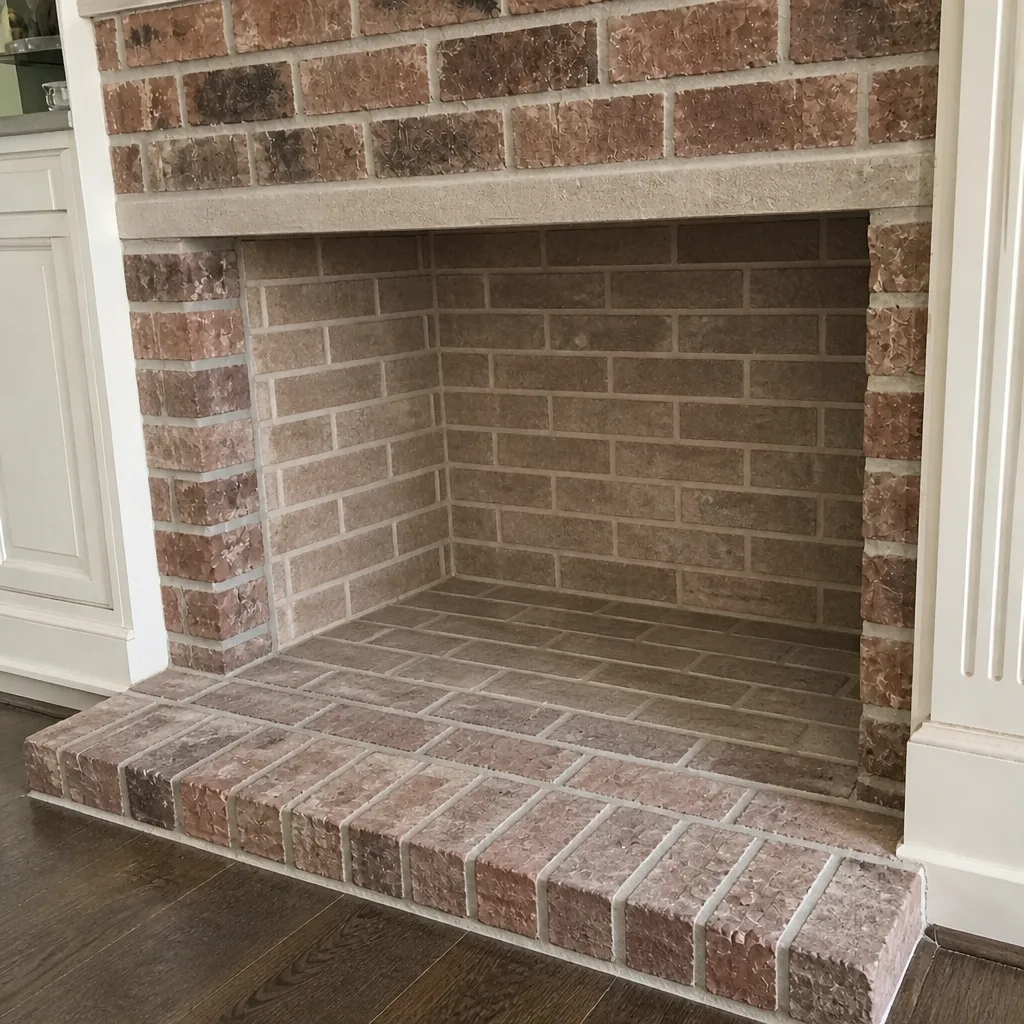
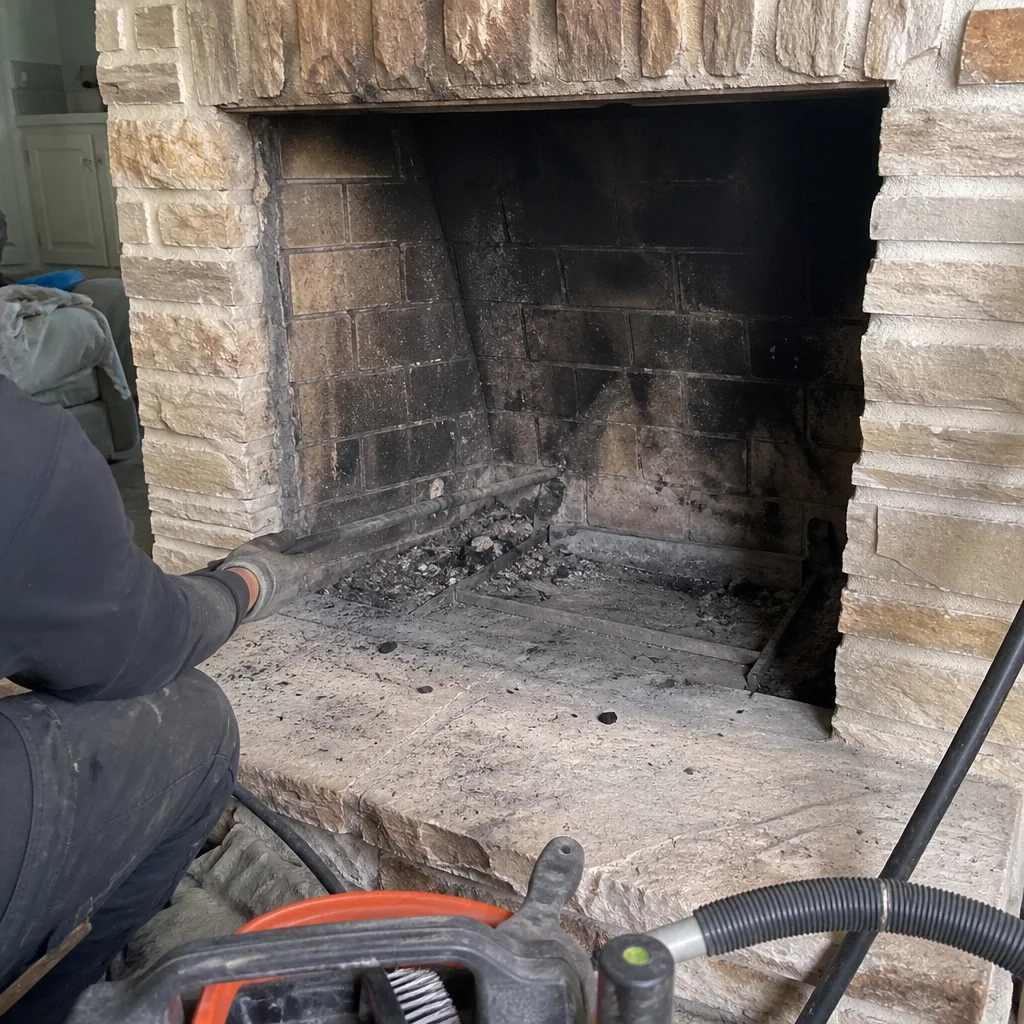
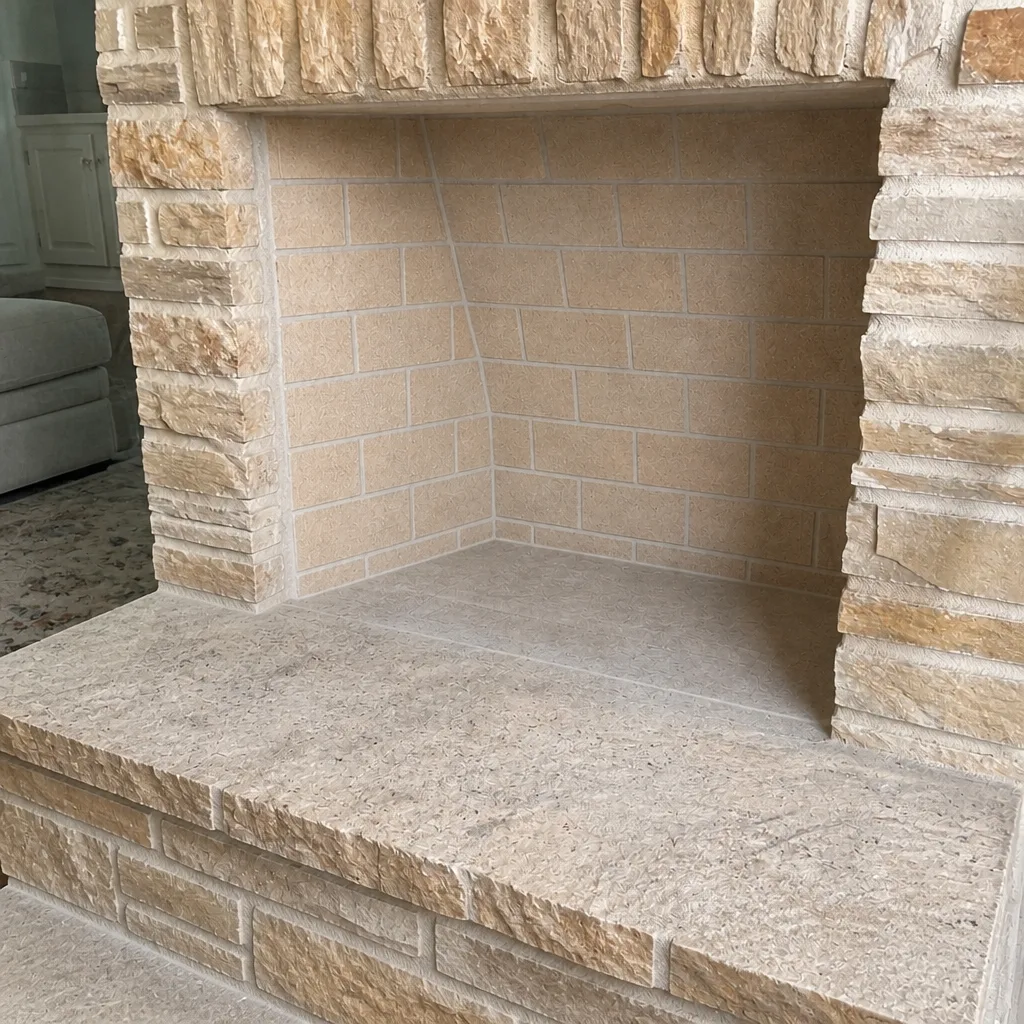
See the difference
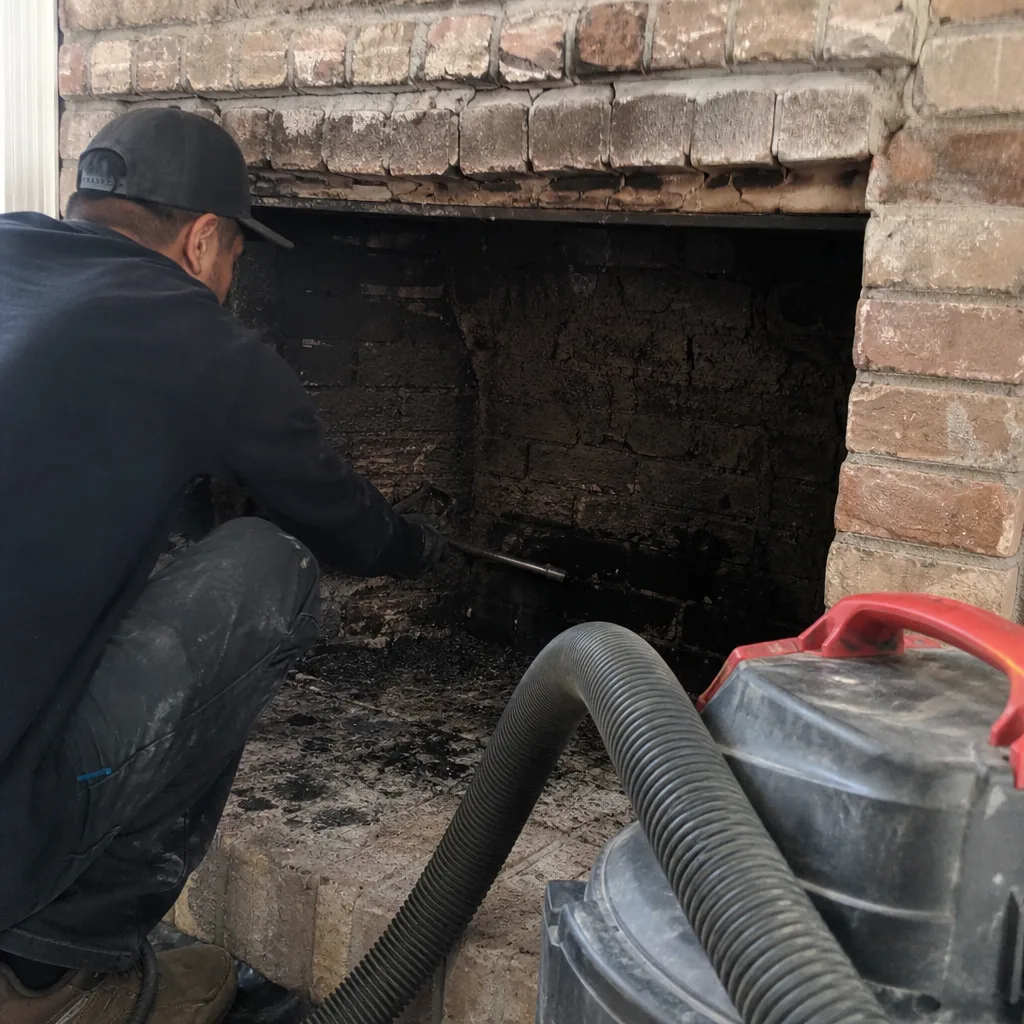 Before
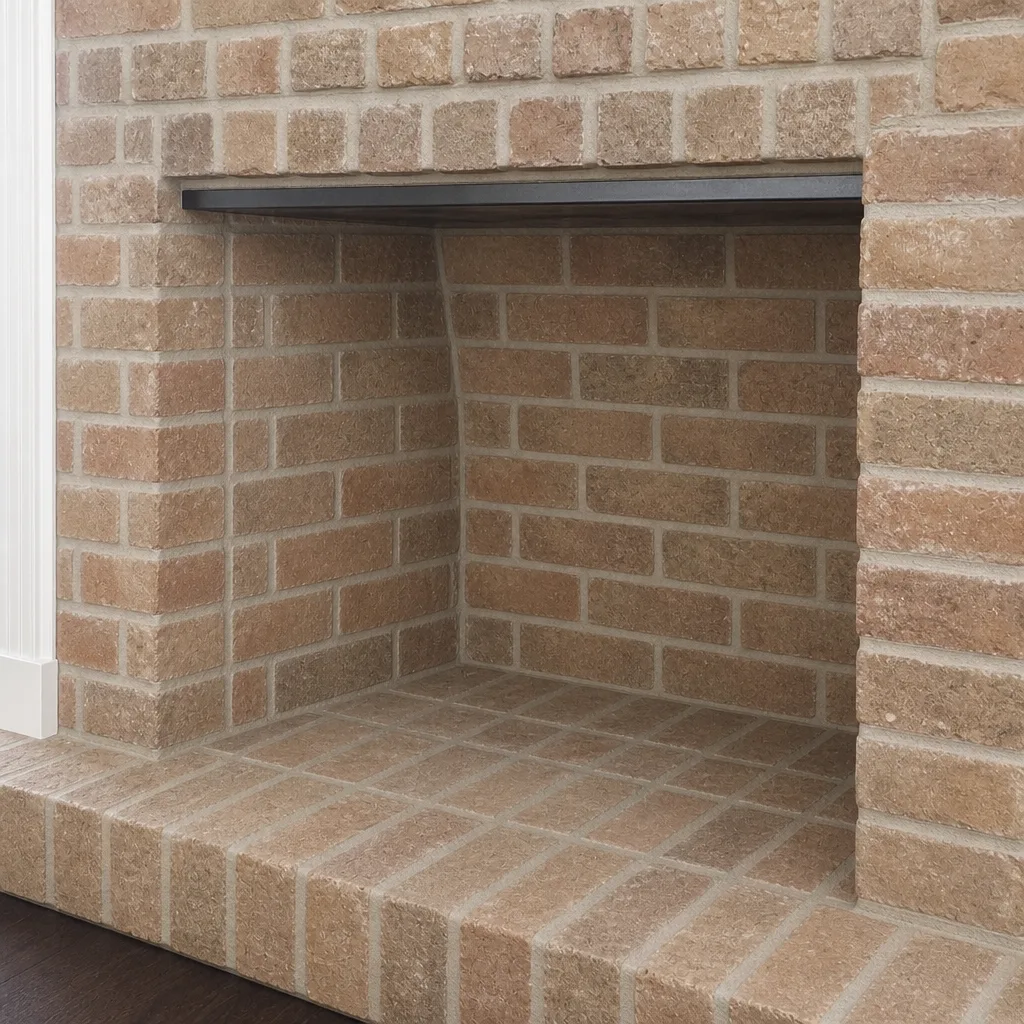 After
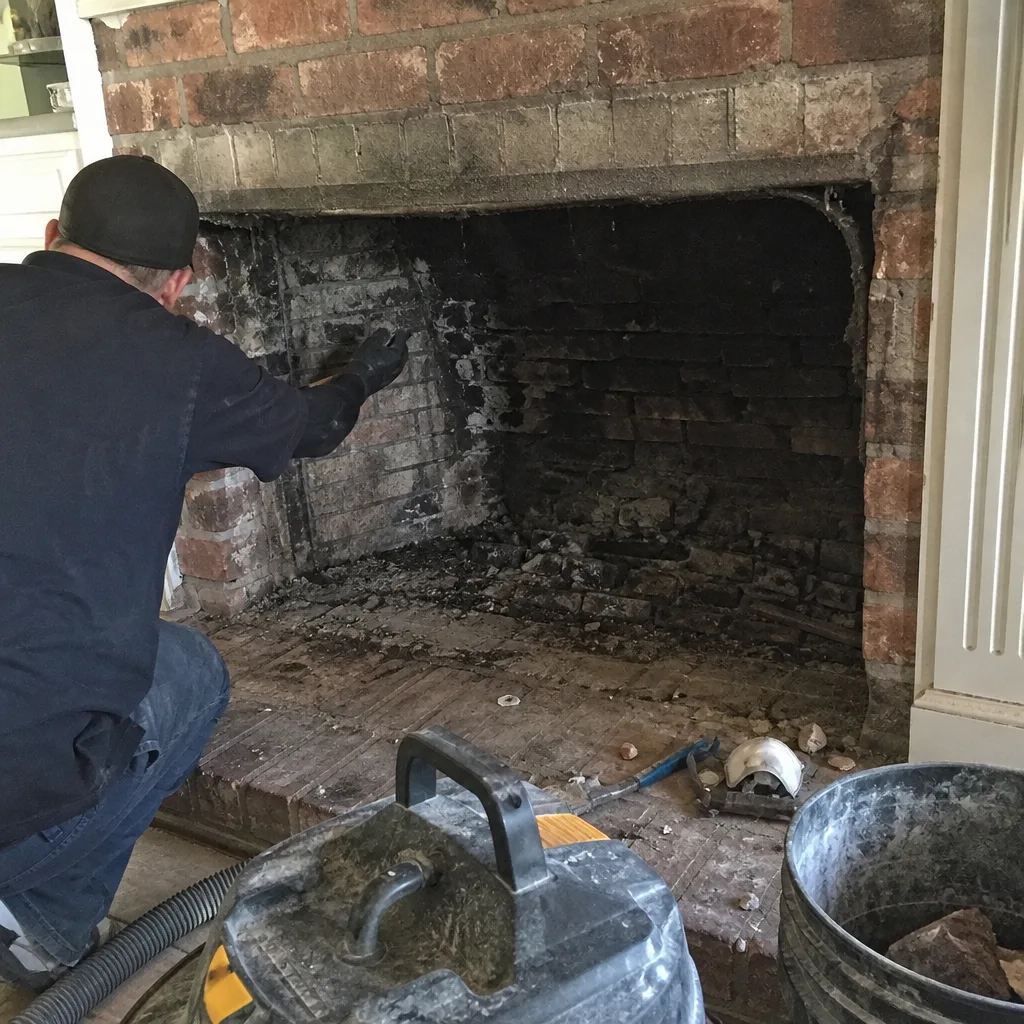 Before
 After
 Before
 After
When to Call a Professional
Call a professional if you see any of the red flags above, if a storm has damaged the crown or cap, or if the chimney hasn’t been inspected in more than a year. Call before your first fire if the fireplace has been idle since last spring. Call if you’re buying or selling a home in The Woodlands and want a documented inspection. Call if you’re unsure about anything you saw from the ground and want a definitive answer. And call if a sweep-only company has handed you a list of repairs and told you to find a separate contractor to do them. Inspect, clean, and repair, handled by the same crew in the same visit, means you don’t need a second company.
Highpoint Chimney Sweep offers free estimates in The Woodlands. Call (844) 320-3258. We answer 24/7. Fast dispatch from 7am to 7pm, Sunday through Friday. Closed Saturday.
Frequently Asked Questions
A chimney used regularly through the burning season should be swept roughly once a year, with a full inspection before the first fire of the season. In The Woodlands, the timing matters as much as the frequency: spring or late summer are the right booking windows, because they catch water damage from the wet months before the burning season starts. If you burn green wood or damper fires down overnight, deposits build faster and an annual sweep becomes more important than ever. Call (844) 320-3258 to book a sweep and find out what your chimney actually needs. Estimates are free.
The most important item is the annual professional inspection, done with a camera and a photo report. Everything else – the ground-level exterior checks, the damper test, the storm routine – supports that one appointment. The inspection is what actually finds a cracked crown, a damaged liner, or a flashing failure. A chimney can look fine from the ground and still have a problem in the flue. The inspection is the one item that tells you for sure what’s going on inside.
You can safely do the ground-level visual checks, operate the damper, inspect the firebox, and keep your maintenance log. You should not do anything that involves the roof, the flue interior, or gas appliances. Roof work is a real fall hazard, and a damaged liner or a gas appliance issue can cause fire, carbon monoxide exposure, or worse. Those tasks need a professional. When a task sits on the line between the two, call and ask before doing it, and we’ll tell you honestly whether it’s something you can handle.
Yes, a gas insert still needs an annual inspection because gas appliances have their own venting and safety concerns. A gas vent can be blocked, improperly sized, or damaged in ways that a gas fireplace feeding through the chimney needs a professional to check. The burning season and maintenance timing for a gas insert follow the same annual rhythm as wood, and in The Woodlands the wet months still matter because the exterior masonry on a gas-insert chimney takes the same weather as a wood-burning one. Book the inspection before the season starts. Call (844) 320-3258 for an exact quote.
A chimney fire can be loud and obvious or quiet and slow-burning, and the slow ones are the ones people miss. Signs of a past chimney fire include a puffy, honeycombed texture inside the firebox, warped metal on the damper or cap, cracked flue tiles, or a strong, charred smell that lingers. If you suspect a fire, stop using the chimney and get it inspected. The inspection will confirm what happened and whether the chimney is safe to use. Call (844) 320-3258 and describe what you saw.
Ask to see the photographic evidence behind the recommendation, and if it isn’t provided, get a second opinion. Any professional inspection should produce photos of the actual problem, and any repair should be justified by something you can see. Some repairs can safely wait months while others need attention now, and a good company will tell you which is which. Nothing we recommend is based on anything but camera evidence you can look at yourself. Call (844) 320-3258 with the report in hand, and we’ll walk through it. Estimates are free.
The Bottom Line
A chimney maintenance checklist for The Woodlands should follow the local climate: wet months set the risk, and the calendar that matters is spring and late summer, not a northern four-season template. The core routine is simple. Do the five ground-level exterior checks each spring and after every storm. Test the damper. Keep a documented log of visits and photos. Schedule the annual professional inspection and sweep before the first fire. And know the red flags that stop the checklist and require a call. A clean chimney is the starting point, not the finish line. Our technicians have up to 12 years of experience, and we handle sweeping, inspection, and repair together so you don’t need a second company.
At Highpoint Chimney Sweep, we work with trade-grade materials the industry relies on – DuraFlex, HeatShield, Gelco, Olympia Chimney, Famco, and Copperfield – rather than hardware-store substitutes. If a repair is recommended, we name what we install, we show you the evidence, and we tell you when work can safely wait. For homeowners across The Woodlands who want one qualified company to inspect, clean, and repair a chimney, call (844) 320-3258 for a free estimate. We answer 24/7. Fast dispatch from 7am to 7pm, Sunday through Friday. Closed Saturday. Visit Highpoint Chimney Sweep to learn more, and start with the The Woodlands service pages when you’re ready to book.
Written by the team at Highpoint Chimney Sweep.