
Last updated November 15, 2026
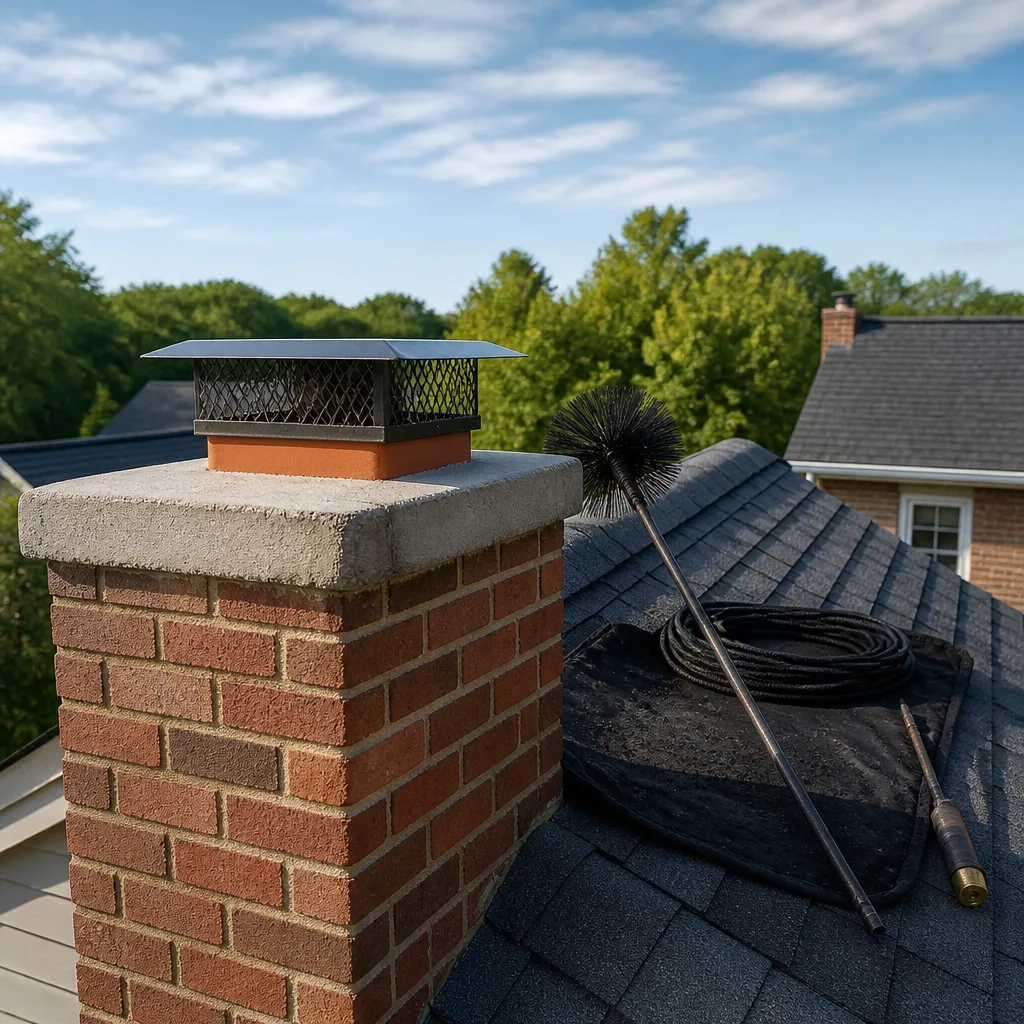 Sweep & inspection
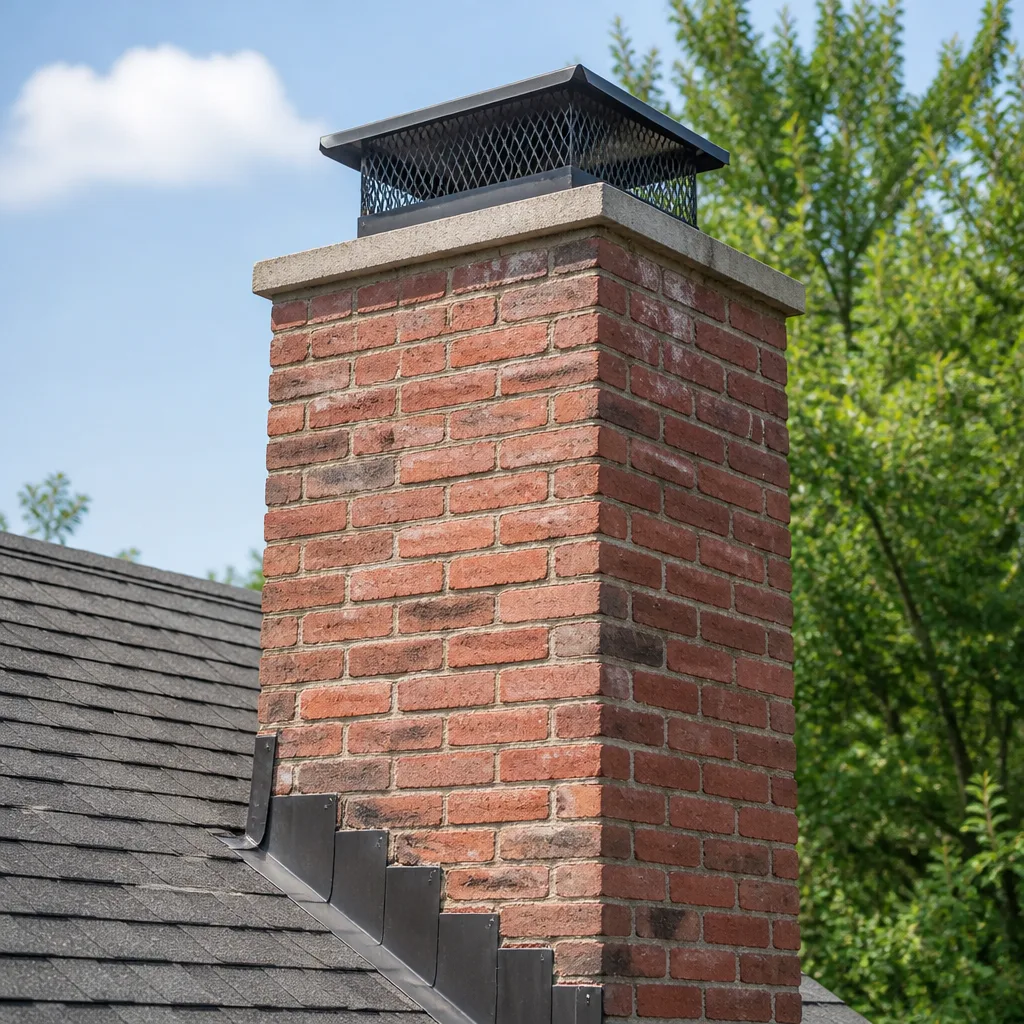 Caps & crowns
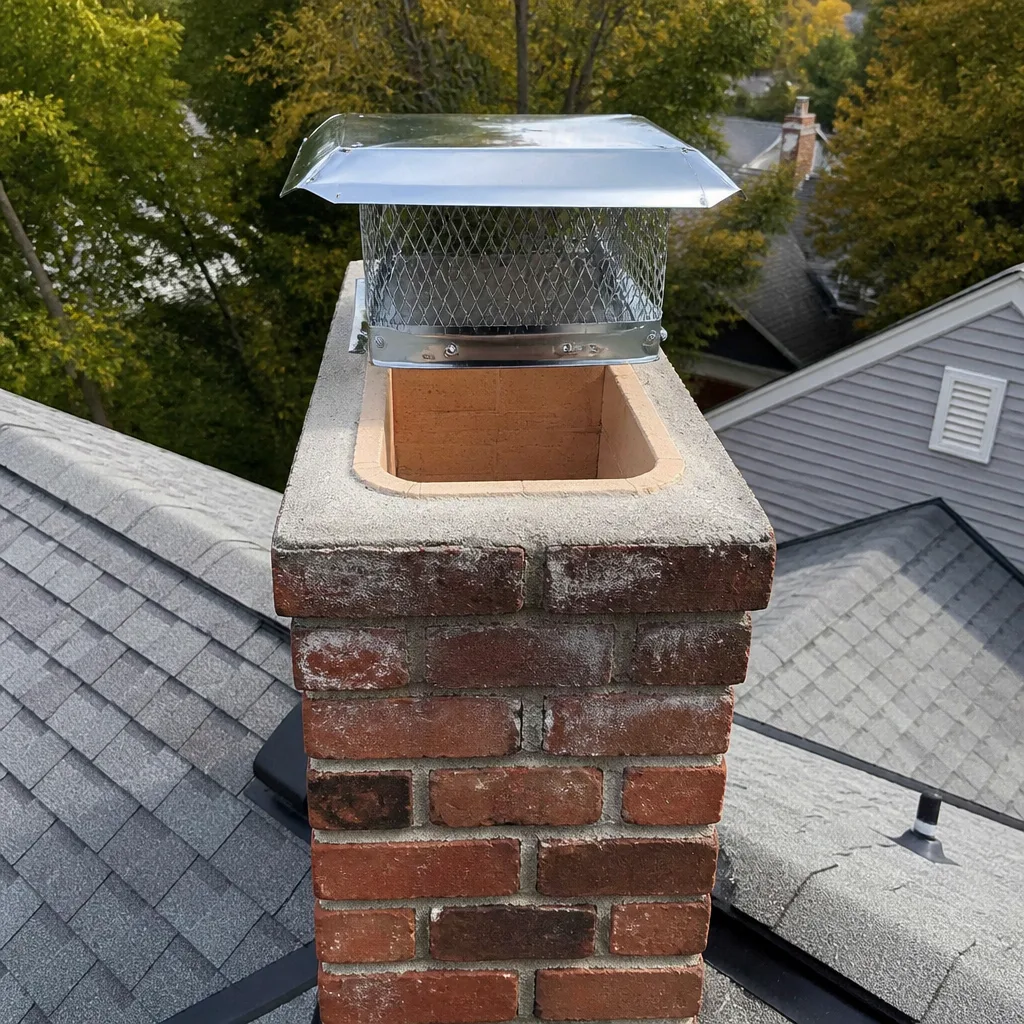 Flue relining
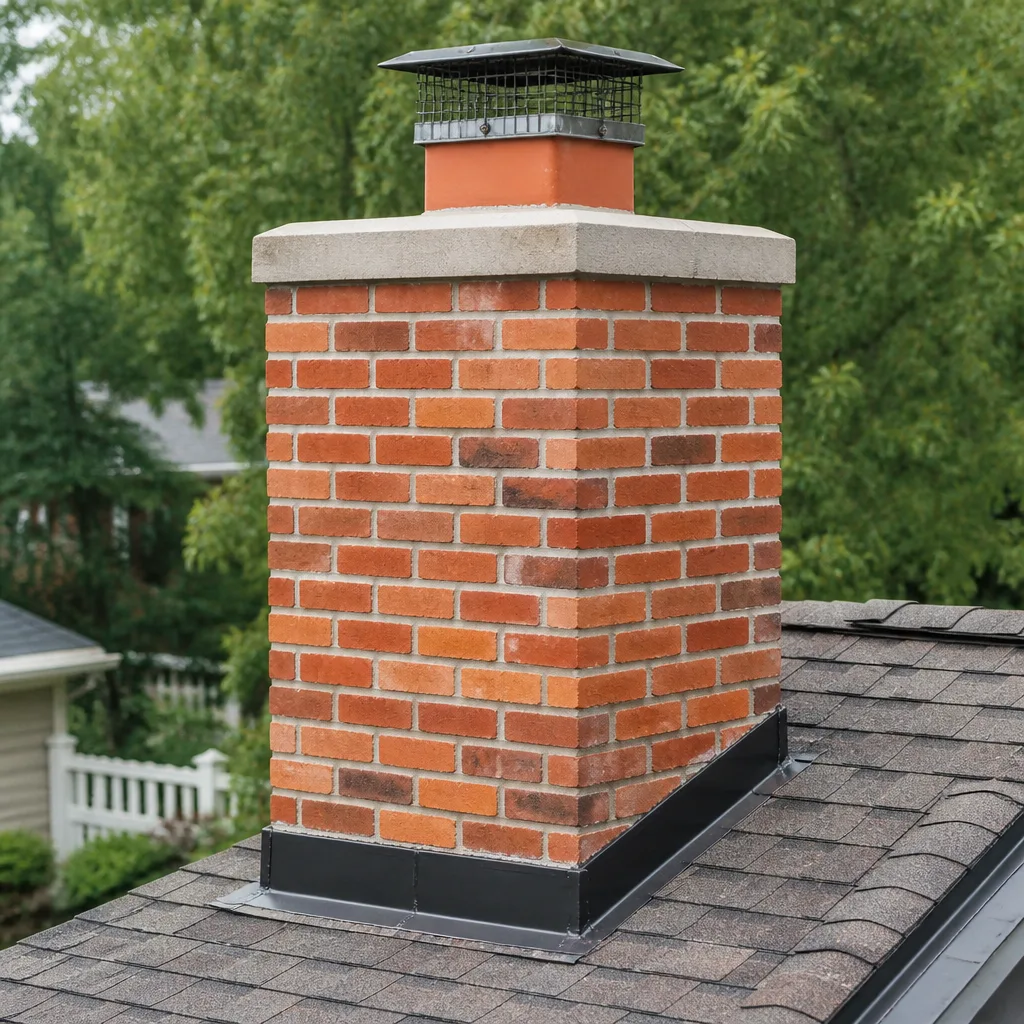 Masonry repair
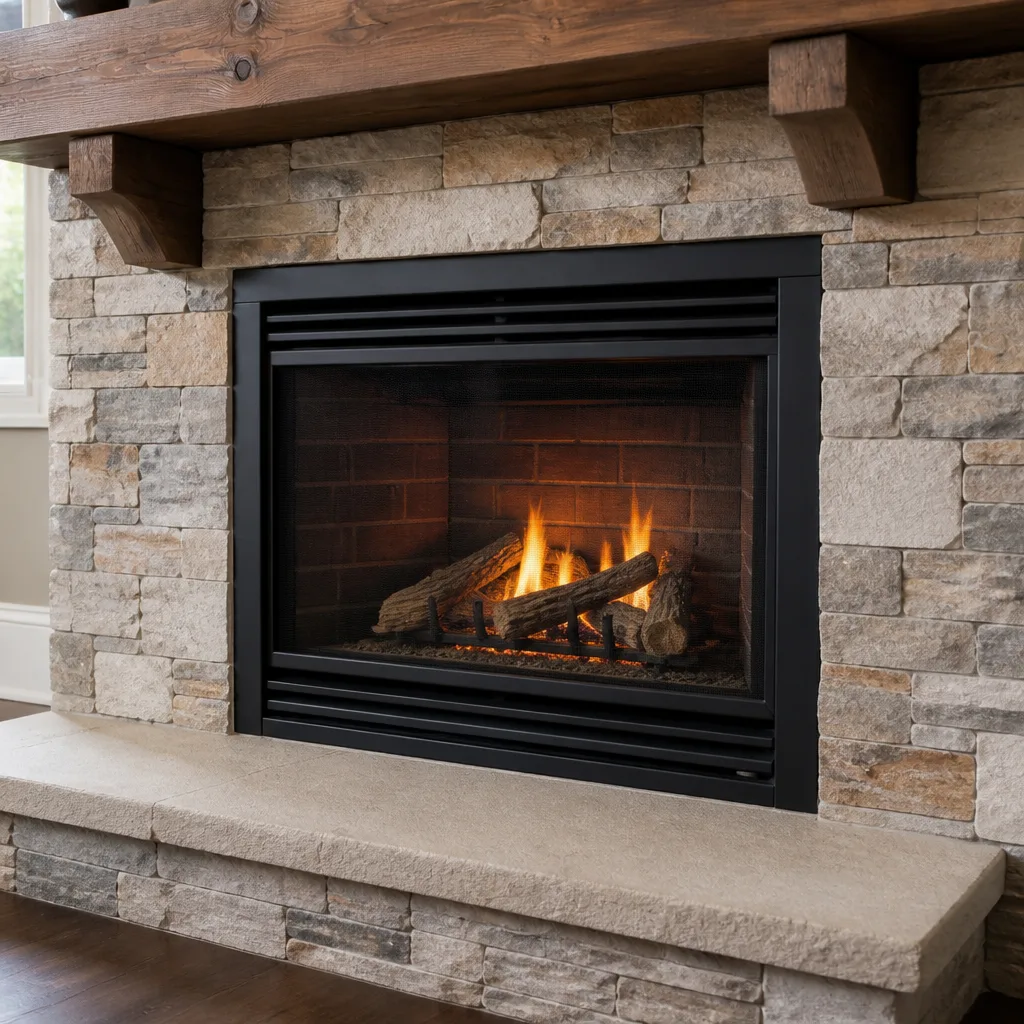 Gas fireplace service
Level 1 sweep and inspection to the NFPA 211 annual standard - flue, crown, cap, and flashing checked and photographed
Chimney sweep logs do not sweep chimneys. They loosen some creosote - which then falls where a brush and vacuum still have to collect it.
Chimney Sweep Maintenance Schedule: What to Do and When
Most homeowners think a chimney only needs attention if they burn wood all winter. The truth is the opposite of what most people assume: a flue that sits idle in Houston-area humidity often deteriorates faster than one that sees regular fires. Moisture is the slow enemy, and an unused chimney never gets the drying heat that keeps masonry and liners stable. That’s why the annual inspection applies to every chimney, even the one behind a gas log set that hasn’t been lit in two seasons. In this guide, we’ll lay out a maintenance calendar built around how you actually use your fireplace in The Woodlands, with separate schedules for wood, gas, and decorative chimneys, the right pre-season window, and how inspection findings should change next year’s plan.
Quick Answer
Every chimney should get a professional inspection once a year, and a wood-burning chimney should be swept annually or whenever creosote reaches about 1/8 inch. Gas log and decorative fireplaces still need an annual inspection even though they don’t build creosote the same way. In The Woodlands, book that service in September or early October, before the December rush and before your first fire of the season.
Styles & brands we work with
- Sweep & inspection
- Caps & crowns
- Flue relining
- Masonry repair
- Gas fireplace service
Table of Contents
- Why a Chimney Schedule Changes by Fuel Type
- The Wood-Burning Chimney Schedule
- The Gas Log Fireplace Schedule
- The Decorative and Unused Fireplace Schedule
- The September Window: Why Timing Matters in The Woodlands
- What to Do Between Professional Visits
- How Inspection Findings Reshape Next Year’s Calendar
- The Cost of Consistent Care vs. Deferred Repair
Why a Chimney Schedule Changes by Fuel Type
A single “sweep it once a year” rule treats every chimney the same, and that’s where maintenance plans go wrong. The byproducts of combustion differ sharply by fuel, and so does the wear pattern on the flue. Wood produces creosote and soot. Gas produces water vapor and mild acidic condensate. A decorative fireplace that never burns anything still accumulates debris, animal nests, and moisture-driven deterioration. Each type needs a different task list and a different interval.
That’s the core idea behind building a schedule instead of a habit. When we inspect a chimney in The Woodlands, we’re not just checking for soot. We’re reading what the fuel, the usage pattern, and the flue construction together are doing to the system. A high-efficiency gas insert in a newer home on the north side of The Woodlands behaves differently from a 1980s masonry fireplace in a neighborhood near the waterway. Same town, different schedule.
Here’s how the three fuel categories split:
- Wood-burning: produces creosote and soot; needs annual sweep plus annual inspection; creosote buildup is the primary fire risk.
- Gas log and gas insert: produces moisture and mild acidic condensate; needs annual inspection, and cleaning as needed; venting and termination are the primary concerns.
- Decorative or unused: produces no combustion byproducts; needs annual inspection to catch moisture damage, animal intrusion, and masonry decay; cleaning less often, but never inspection less often.
The schedule isn’t a rule passed down through generations. It’s a working document that changes when your usage changes, when the fuel changes, or when an inspection finds something. That’s the frame for everything below.
The Wood-Burning Chimney Schedule
If you burn real wood, this is the schedule that matters most because it carries the highest safety stakes. A wood-burning chimney needs to be swept once a year, and possibly more often depending on how much you burn and how well your wood is seasoned. The industry standard is to sweep when creosote reaches about 1/8 inch of buildup, and for many The Woodlands households that lands on an annual cadence, though heavy burners will need a mid-season sweep.
Here’s what a full annual wood-burning maintenance cycle looks like when done properly:
- September: Book your pre-season inspection and sweep. This catches summer deterioration before the first fire and gets you in before the October and November booking crunch.
- October, before first burn: Confirm the sweep is done, the damper operates smoothly, and the cap and spark arrestor are intact.
- Monthly during burning season (November through February): Do a visual check of the firebox and the visible flue from the damper. Listen for changes in draft.
- Mid-season, if you burn heavily: Book a mid-winter sweep if creosote is building quickly. Homes that burn daily often need one by January.
- End of season (March or April): Once you stop burning, schedule a closing inspection. This is when hidden damage from the burn season shows itself.
- Spring and summer: Repair work, cap replacement, and liner restoration happen here if the inspection flagged anything. Dry, mild weather suits this work.
Creosote is the number one reason wood-burning chimneys need this cadence. It’s a tar-like residue that can ignite inside the flue, and it builds fastest in cool, smoldering fires and unseasoned wood. Burn dry, seasoned wood, keep fires hot, and your annual sweep stays on schedule.
The repairs that come out of these inspections often involve trade-grade components, not improvised hardware. That’s why we work with brands like DuraFlex for stainless liner systems and Famco for caps and covers, so what comes out of an inspection turns into a properly engineered fix, not a patch.
The Gas Log Fireplace Schedule
Gas log sets and gas inserts feel maintenance-free because they produce no wood smoke, but the flue and venting still need eyes on them. Gas combustion produces water vapor and mild acidic condensate, and in the humid air around The Woodlands that moisture interacts with the flue in ways wood smoke never does. The result is that gas chimneys often deteriorate from the inside without any visible sign in the firebox.
The gas log schedule is simpler in cadence but not in scope:
- Once a year: Professional inspection of the venting, termination, and firebox. This is the minimum. Skip it and slow venting problems go unnoticed.
- Annually or as needed: Cleaning. Gas logs don’t build creosote, but they do accumulate dust, debris, and the occasional bird nest, and the burner assembly needs the ports cleared.
- Every few years: Verify the termination cap and any vent sections for corrosion. Copperfield and Olympia Chimney components are common choices when a cap or vent section needs replacing.
Gas fireplaces also need a check on the burner and the log placement. Logs that shift can create hot spots or incomplete combustion. A technician will confirm logs are correctly positioned and the flame pattern is even. Carbon monoxide is the reason this matters: an improperly venting gas appliance pushes combustion byproducts back into the living space, and you can’t see or smell that. Every gas fireplace schedule should include an annual venting and CO check as a baseline.
If you’ve ever wondered whether gas needs professional attention at all, the answer is yes, once a year, with the same seriousness you’d give a wood-burning chimney. It’s just a different task list.
The Decorative and Unused Fireplace Schedule
Here’s the counterintuitive one. A chimney that hasn’t burned a fire in years often needs more attention than an active one, not less. In the humid air of The Woodlands, an idle flue is a moisture trap. Without the regular heat of burning fires, masonry stays cool and damp, mortar joints soften slowly, and the whole system is more vulnerable to deterioration than a chimney that gets dried out by regular use.
The decorative fireplace schedule centers on inspection, not cleaning:
- Once a year: Professional inspection, same as any other chimney. This is the baseline for every flue, used or not.
- Annually: Verify the cap is intact and the flue is clear of animal nests, leaves, and debris. An uncapped chimney is a favorite spot for birds and squirrels.
- Every inspection: Assess masonry condition, mortar joints, and any signs of moisture intrusion. This is where idle chimneys reveal problems first.
- Every few years or as findings dictate: Cleaning if the inspection shows debris accumulation.
The cap and animal-exclusion piece is where decorative chimneys rack up repair needs. A missing or damaged cap in The Woodlands is a direct line for rain, and it’s the first thing we look at during an inspection. Famco and Copperfield caps are what we install when it’s time to close that opening. A properly capped chimney stays dry and stable even when it never burns a fire.
If you’re planning to sell a home in The Woodlands, this is the schedule that a buyer’s inspector will care about. An annual inspection record on a decorative fireplace demonstrates the chimney has been maintained, not abandoned.
The September Window: Why Timing Matters in The Woodlands
Timing your pre-season inspection and sweep in September instead of December isn’t just about avoiding a rush, though that’s part of it. It’s about what September catches. By early fall in The Woodlands, the chimney has been through a full summer of heat and humidity. Any damage that accumulated over the off-season is present and visible. An inspection done in September finds it before the first fire, when there’s still time to repair before the season starts.
A December inspection finds the same damage, but now it’s discovered on the night you wanted to build a fire, with a scheduling crunch around it and the potential of a cold house. The pre-season window is the single biggest lever you have on your chimney’s schedule.
There’s a second reason September works well in The Woodlands: the weather. The late-summer humidity is still present, and any moisture intrusion or masonry issues show themselves clearly in the still-warm air. That’s ideal timing to identify a cap or flashing problem and get it corrected before the wetter months. Repairs done in September have the whole season to prove themselves, rather than being rushed against weather.
Here’s the pre-season checklist we’d encourage every The Woodlands homeowner to run in early September:
- Book your annual inspection and sweep the first week of September.
- Confirm your caps and spark arrestors are intact before the first fire.
- Check your damper operates smoothly and closes completely.
- Have at least a face cord of seasoned, dry wood ready by mid-October.
- Test your smoke and carbon monoxide detectors.
If September is already busy, early October is the next-best window. The worst outcome for a The Woodlands homeowner is discovering a liner problem on the first cold night in December, when repair work has to wait for a slot.
What to Do Between Professional Visits
An annual inspection doesn’t cover the eleven months in between, and the between-visits routine is where a lot of problems get caught early. We’ve seen thousands of flues over the years, and the chimneys that stay in good condition are almost always ones where the homeowner knew what to look at and when to pick up the phone.
The monthly check during the burning season is short. Once a month, whenever you’re using the fireplace regularly, take a look at the firebox and the visible flue from the damper. Here’s what to watch for:
- Creosote buildup: shiny, tar-like glaze on the flue walls means creosote is building fast. Call for a sweep.
- Soot or ash on the damper or smoke shelf: dropping more than usual suggests draft problems.
- Smoke rolling into the room: a change in draft, and worth a call.
- Water staining or white efflorescence on the firebox or exterior: a sign of moisture intrusion.
- Visible cracks in masonry or mortar: never ignore these. Get an inspection on the calendar.
- Animal or bird activity around the chimney top: a sign the cap has failed or gone missing.
Any of these signs should move your next inspection forward on the calendar, whether that’s a few weeks or a full season. That’s the whole idea of a schedule: it’s not a fixed date, it’s a plan that responds to what the chimney is telling you.
Between visits, the best maintenance you can do is fuel discipline. Burn only dry, seasoned wood. Split and stack it at least six months ahead, keep it covered but ventilated, and never burn trash, treated lumber, or wet wood. Fires that burn hot and clean produce less creosote, and dry wood burns cleanest. Your woodpile is half your maintenance schedule whether you think of it that way or not.
How Inspection Findings Reshape Next Year’s Calendar
An inspection isn’t just a to-do list for the current year. It’s the data that should adjust next year’s schedule. A finding isn’t just a repair, it’s a signal about how your chimney is aging and what pace it’s on. When we inspect in The Woodlands, we categorize what we find and adjust the recommended cadence to match.
Here’s how the findings should change your calendar:
- Minor soot buildup, no damage: standard annual cadence continues unchanged.
- Moderate creosote (around 1/8 inch or more) with normal burn habits: move to twice-yearly sweeps next season, or tighten to early-season plus mid-season.
- Heavy creosote or glazed deposits: more frequent sweeps, and a re-check of fuel and burning habits. Sometimes the fix is fire management, sometimes it’s equipment.
- Minor liner or masonry cracks: schedule repair in the same visit if possible. Return to annual cadence after repair is verified.
- Significant liner damage found on a Level 2 inspection: this is where relining or restoration is on the table. It’s also where the schedule tightens for the next few seasons until the system proves stable.
- Moisture damage or compromised cap: repair now, then re-inspect in the following season to confirm the fix held.
The Level 2 finding is the most consequential. It often means a camera inspection found something a visual check would miss, and the repair (often relining or liner restoration) is where the brands matter. This is where the HeatShield ceramic resurfacing system can restore a liner without full replacement. It’s the kind of specialized repair a basic sweep-only service can’t offer, and it fits into the schedule as a repair event, not a routine cleaning.
The takeaway: an inspection isn’t finished when the report is delivered. It’s finished when next year’s schedule has been adjusted based on what the report says.
The Cost of Consistent Care vs. Deferred Repair
Here’s the argument that convinces homeowners to keep the schedule: the cost of consistent annual care is a fraction of the cost of deferred care that turns into a repair. An annual sweep and inspection is a modest line item that stays stable year after year. A deferred chimney doesn’t just cost more later; it costs a different category of money entirely.
This comparison is why we tell homeowners to think of the maintenance schedule as a preventive investment, not a yearly tax. Consider the rough shape of the two paths:
- Consistent annual path (yearly): Annual sweep and inspection. Minor cap and component refresh as needed (Famco and Copperfield caps are common, affordable replacements). Occasional damper or flashing repair. The system stays on a predictable, modest cadence with no surprises.
- Deferred-care path (over several years): Skipped inspections let creosote and moisture damage compound. What was a minor liner crack becomes relining scope (DuraFlex stainless liner systems) or HeatShield liner restoration. Cap failures allow water in, and masonry damage follows. A liner replacement or masonry repair is a different order of magnitude from a sweep.
The key point isn’t a scary number. It’s direction. Annual care keeps the cost curve flat. Deferred care lets it curve up. The earlier you catch a problem, the cheaper it is to fix, and the schedule is the mechanism that catches problems early.
That’s the whole rationale behind layering sweep, repair, and inspection under one roof. When the inspection is done by the same team that performs the sweep, findings become repairs in the same visit instead of a referral to another company for another appointment. That saves coordination and, frankly, saves money by eliminating the gap between discovering the problem and fixing it. If you want to understand what that full-service model looks like in practice, see our Highpoint Chimney Sweep overview, or look at our specific chimney sweep and chimney repair services in the area.
Common Mistakes to Avoid
- Skipping the inspection because you didn’t burn much. An idle flue in The Woodlands humidity deteriorates faster than an active one. The inspection is not optional based on usage.
- Waiting until December to book. The pre-season window in September exists for a reason. Waiting until the first cold snap means you’re booking into a crowded schedule.
- Treating gas logs as maintenance-free. Gas produces moisture and mild acidic condensate that still requires an annual venting and firebox check.
- Burning unseasoned wood. Wet wood produces more creosote and forces a faster sweep cadence. Split and season your wood properly.
- Ignoring the cap. A missing or damaged cap in The Woodlands is a direct line for rain and animals. Check the cap every inspection, and replace it with a purpose-engineered cover (Famco or Copperfield) if it’s failed.
- Not adjusting the schedule after a major finding. A Level 2 finding that leads to relining isn’t just a repair, it changes next year’s cadence. Treat the report as a schedule update, not a one-off to-do.
- Assuming a sweep is all you need. Sweeping clears the flue, but only an inspection tells you what shape the system is actually in. Both are on the schedule for a reason.
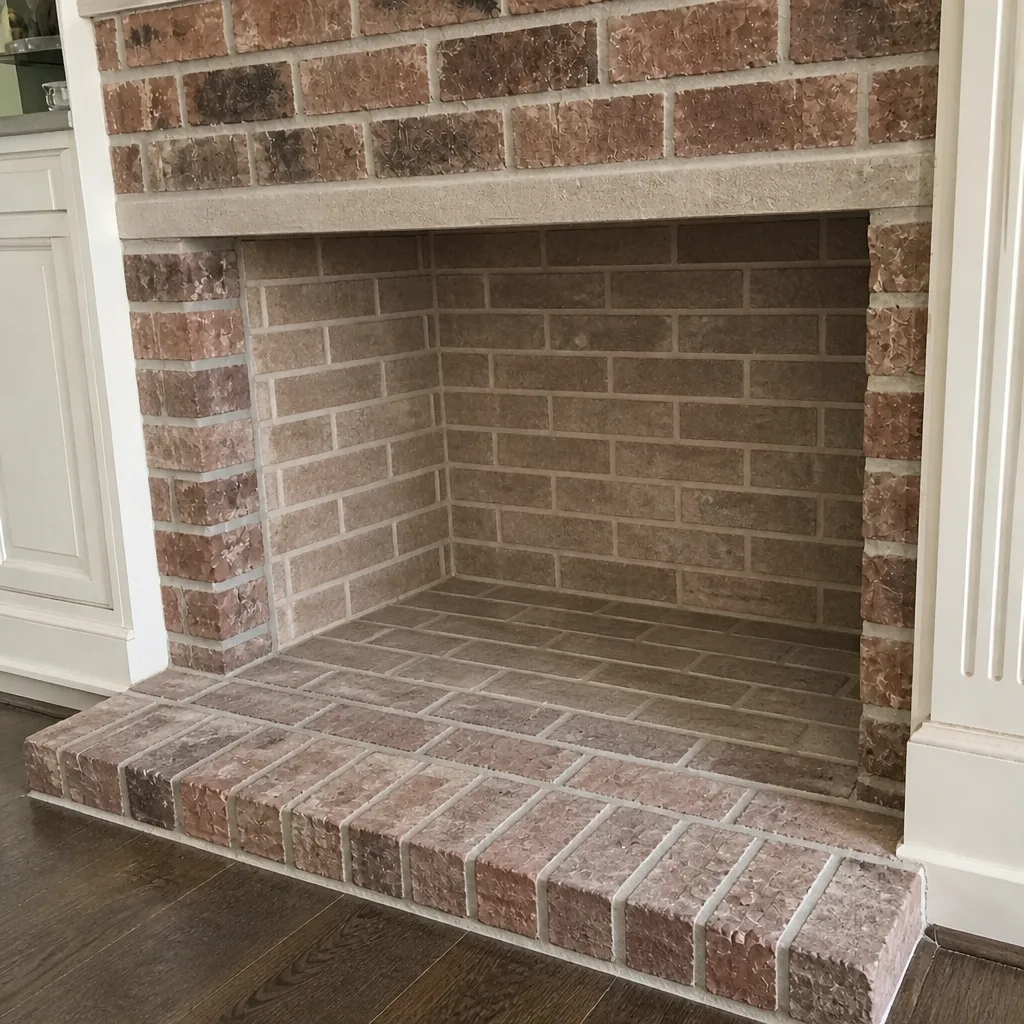
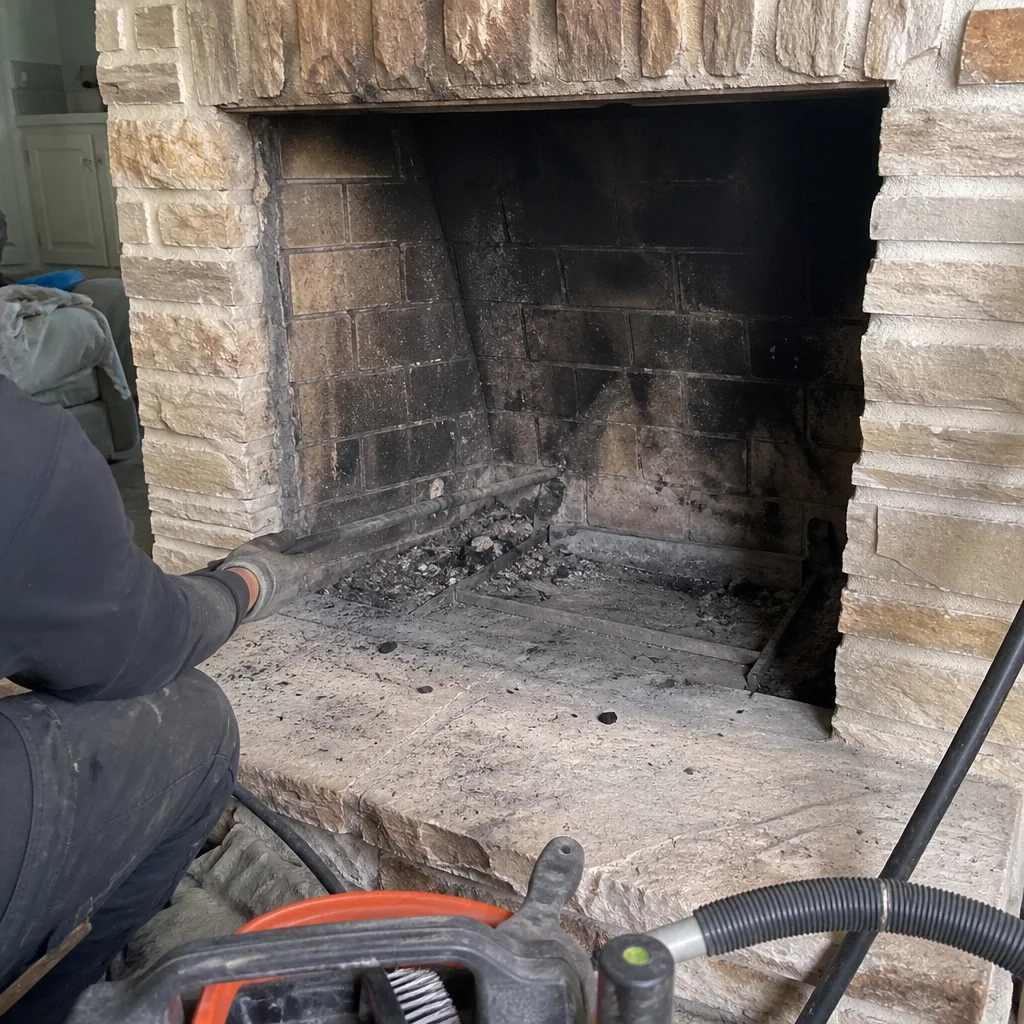
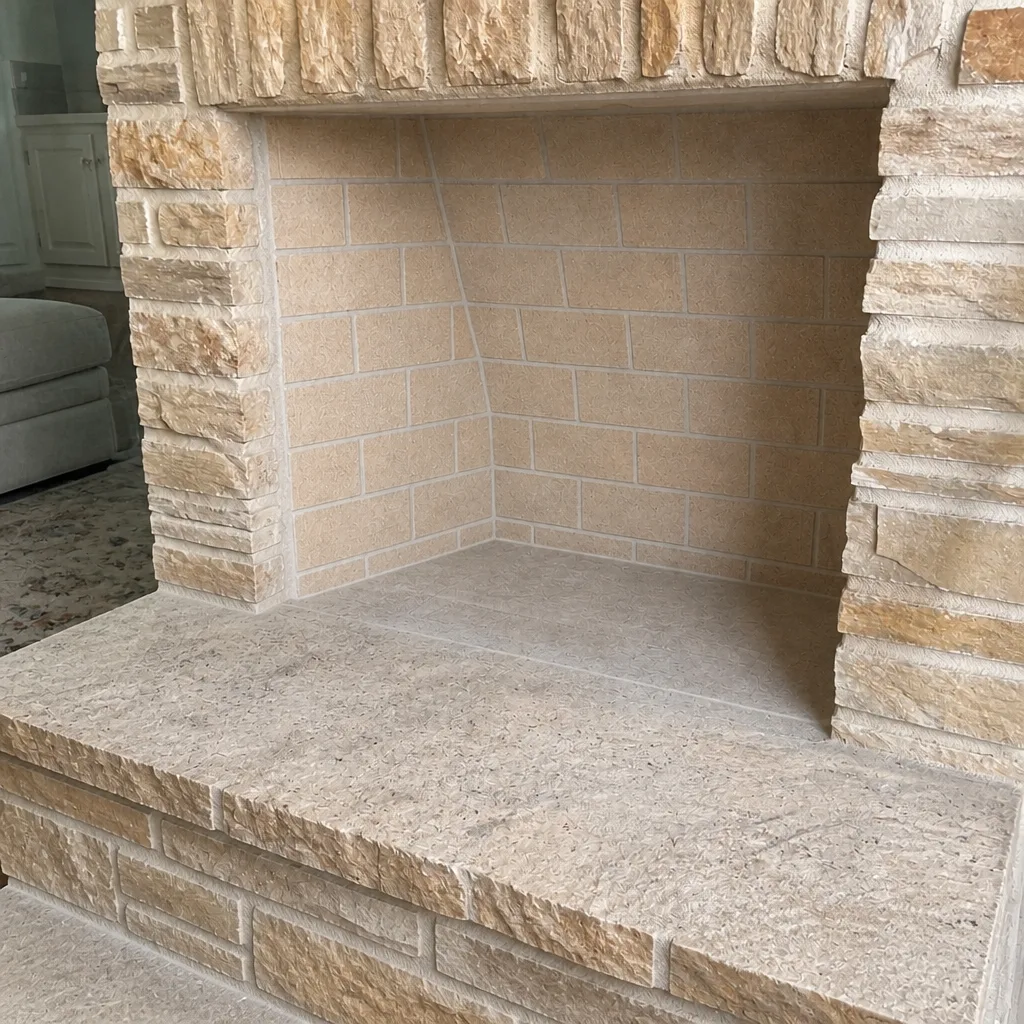
See the difference
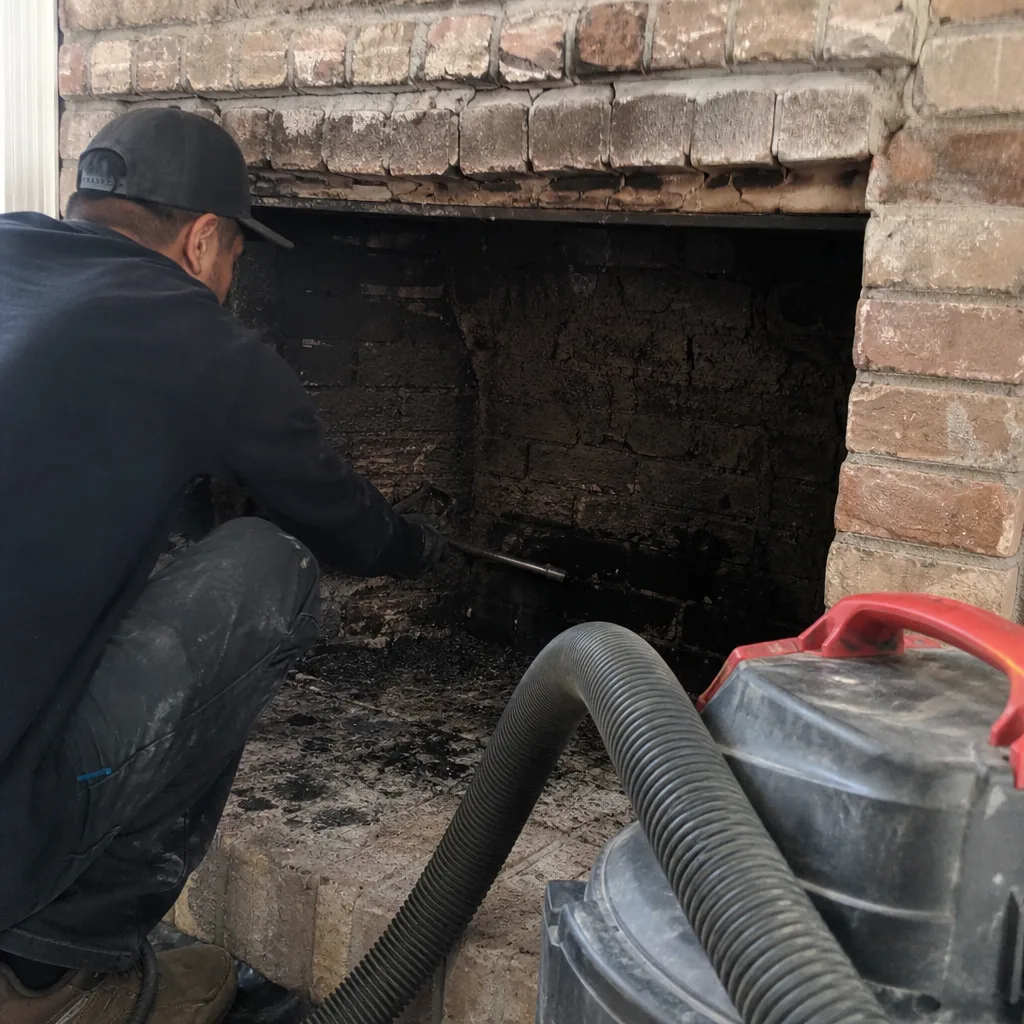 Before
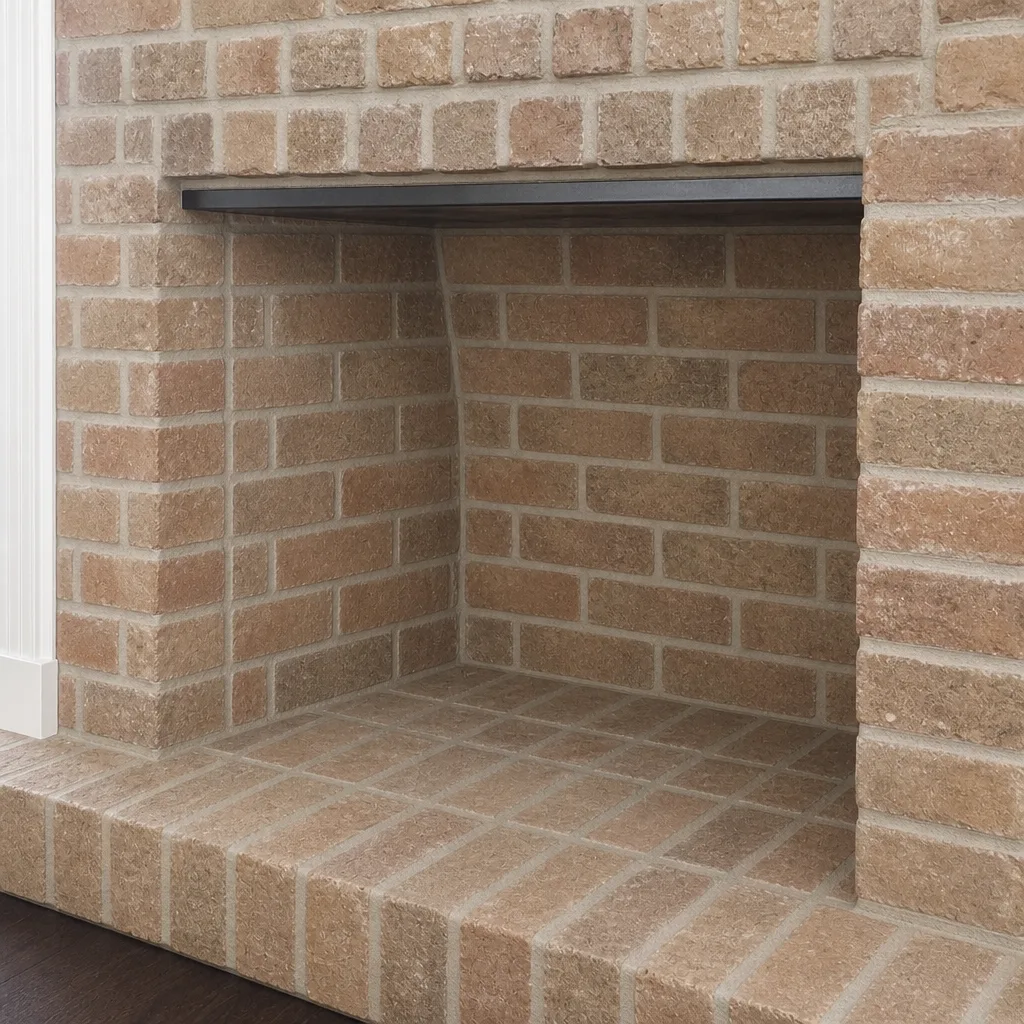 After
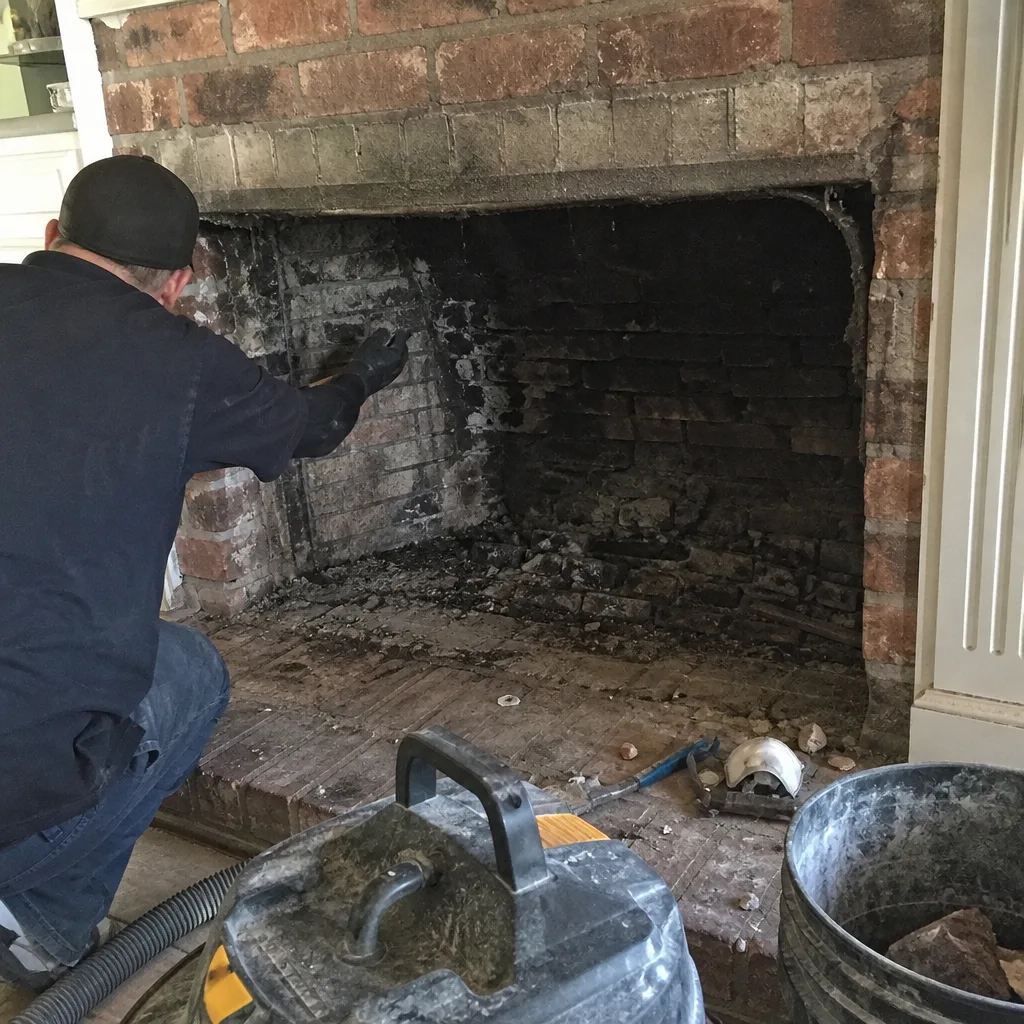 Before
 After
 Before
 After
When to Call a Professional
Call us if it’s been more than a year since your last inspection, if you’re unsure of the last sweep date, or if you’re planning to sell a home in The Woodlands and need a documented maintenance history. Call if you smell smoke in the room, see water staining on the firebox, notice creosote glaze inside the flue, or suspect the cap has failed. Call if your gas log set has a shifting flame pattern or if you haven’t had a CO and venting check in the last year. And call if a previous inspection flagged an issue and you deferred the repair, because the deferred items are what turn into the expensive jobs later. Highpoint Chimney Sweep offers free estimates in The Woodlands, call (844) 320-3258. We answer 24/7. Fast dispatch from 7am to 7pm, Sunday through Friday. Same-day service is available.
Frequently Asked Questions
Once a year for both cleaning and inspection is the baseline for every chimney type. A wood-burning chimney may need more frequent sweeps if you burn heavily or if creosote builds quickly, while gas and decorative chimneys often need the annual inspection plus cleaning as findings indicate. In The Woodlands, book in September so the work is done before the first fire and before the seasonal crunch. Call (844) 320-3258 for an exact quote; estimates are free.
Yes. An unused or decorative chimney in The Woodlands still needs an annual inspection because humidity and moisture cause more deterioration on idle flues than on active ones. The moisture finds masonry, mortar joints, and caps, and an inspector catches it before it turns into structural repair. The inspection is the minimum for every flue, used or not. Call (844) 320-3258 for an exact quote; estimates are free.
September is ideal because it catches summer moisture damage before the first fire of the season and gives you repair time before the December booking crunch. A September inspection finds any damage while the weather still allows repair work, and it puts you ahead of the seasonal rush. If September is full, early October is the next-best window. Call (844) 320-3258 for an exact quote; estimates are free.
No. Gas log fireplaces don’t produce wood creosote, but they still need an annual inspection because gas combustion produces water vapor and mild acidic condensate that can damage the flue from the inside. A gas schedule is annual inspection plus cleaning as needed, with an annual venting and carbon monoxide check. Wood-burning chimneys need annual sweeping for creosote in addition. Call (844) 320-3258 for an exact quote; estimates are free.
Yes, and it should. A finding that shows heavy creosote, moisture damage, or early liner damage changes the cadence from annual to twice-yearly sweeps for a season, or adds a follow-up inspection after a repair. Treat the inspection report as a schedule update, not just a to-do list. That’s how the schedule stays accurate to the actual condition of the chimney. Call (844) 320-3258 for an exact quote; estimates are free.
Skipping the annual sweep and inspection lets creosote and moisture damage compound, which costs more to fix later and increases fire risk. What would have been a routine sweep turns into relining or masonry repair, and the schedule gets more urgent and more expensive. The annual cadence exists to keep repairs small and predictable. Call (844) 320-3258 for an exact quote; estimates are free.
The Bottom Line
A chimney maintenance schedule is not a single rule. It’s a plan that changes by fuel type, by usage pattern, and by the findings from your last inspection. Wood-burning chimneys need annual sweeps for creosote. Gas and decorative chimneys still need annual inspections for moisture, venting, and safety. In The Woodlands, the pre-season window is September, and the biggest cost lever is consistency. If you’re not sure where your chimney stands, that’s the moment to find out. For homeowners in The Woodlands, whether you’re booking an annual sweep or a repair after an inspection, get the answer in one visit from a team that does the sweep, the repair, and the inspection in the same call.
Call (844) 320-3258 for a free estimate. We answer 24/7. Fast dispatch from 7am to 7pm, Sunday through Friday. Our technicians have up to 12 years of experience, and we work with trade-grade brands like DuraFlex, HeatShield, Olympia Chimney, Famco, Copperfield, and Gelco, so a repair recommendation turns into a properly engineered result, not a patch. A clean chimney is the starting point, not the finish line. Let’s build your schedule around how you actually use your fireplace.
Written by the team at Highpoint Chimney Sweep.