
Last updated November 15, 2026
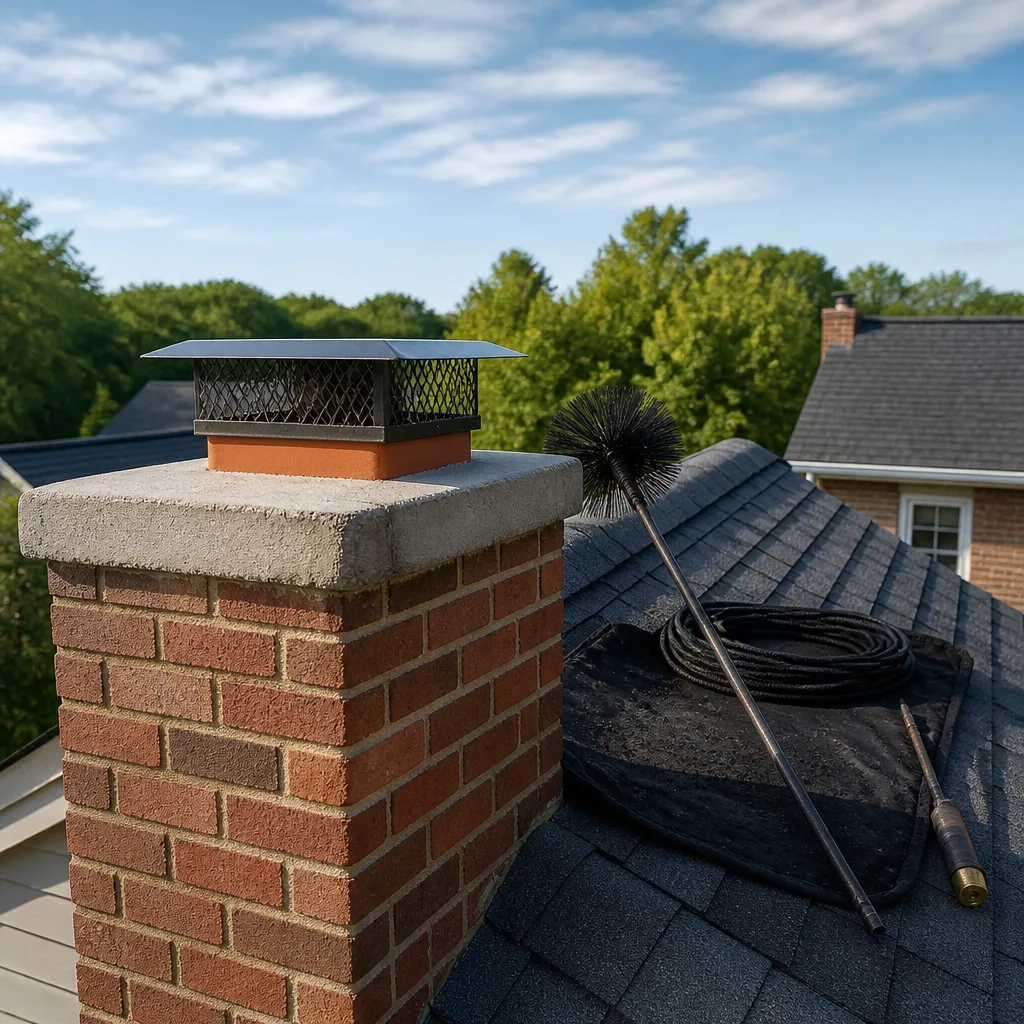 Sweep & inspection
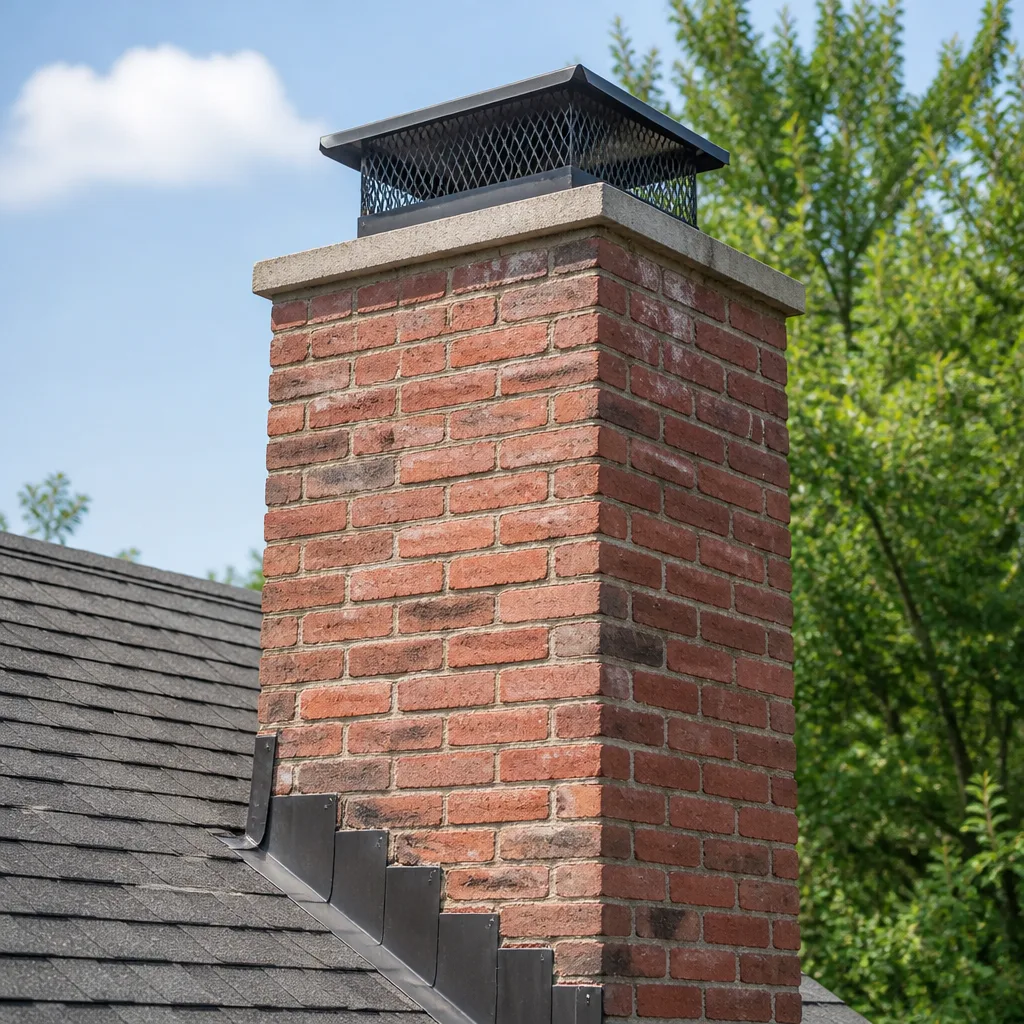 Caps & crowns
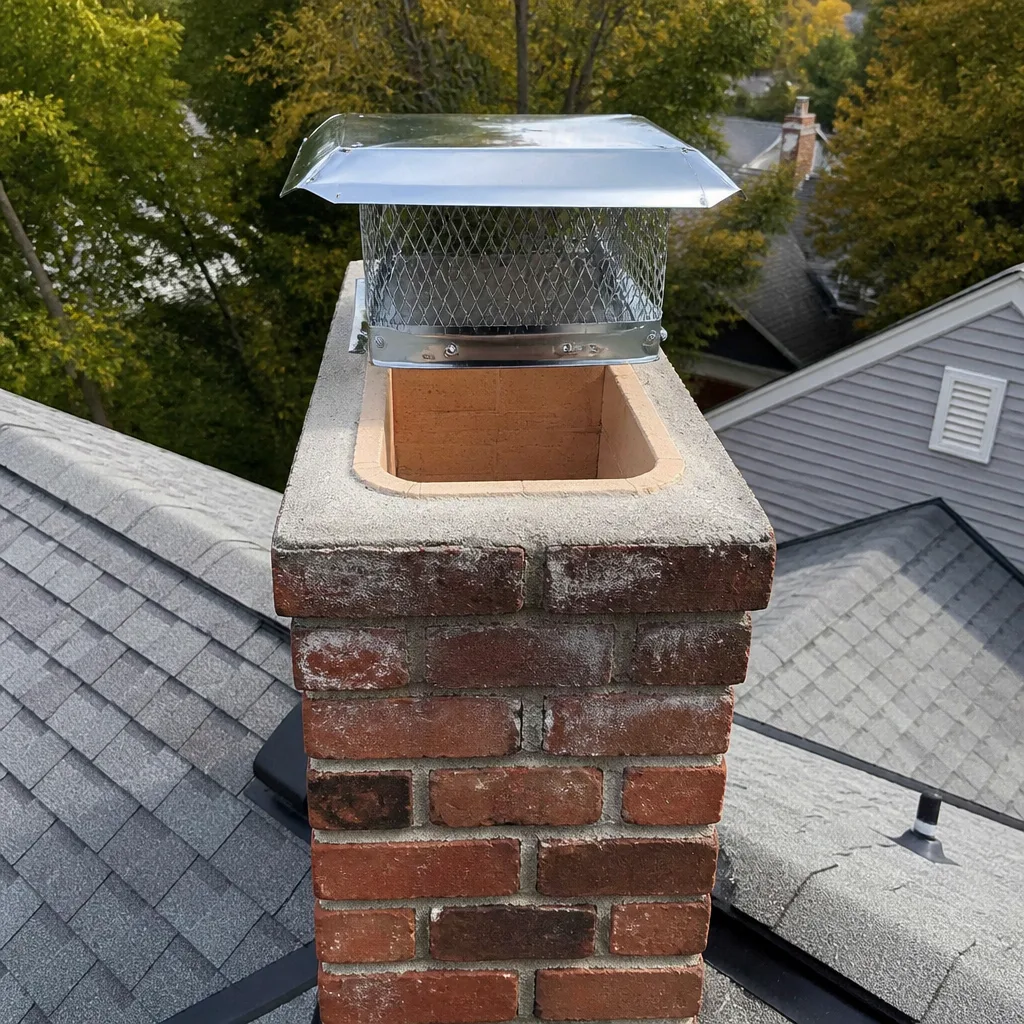 Flue relining
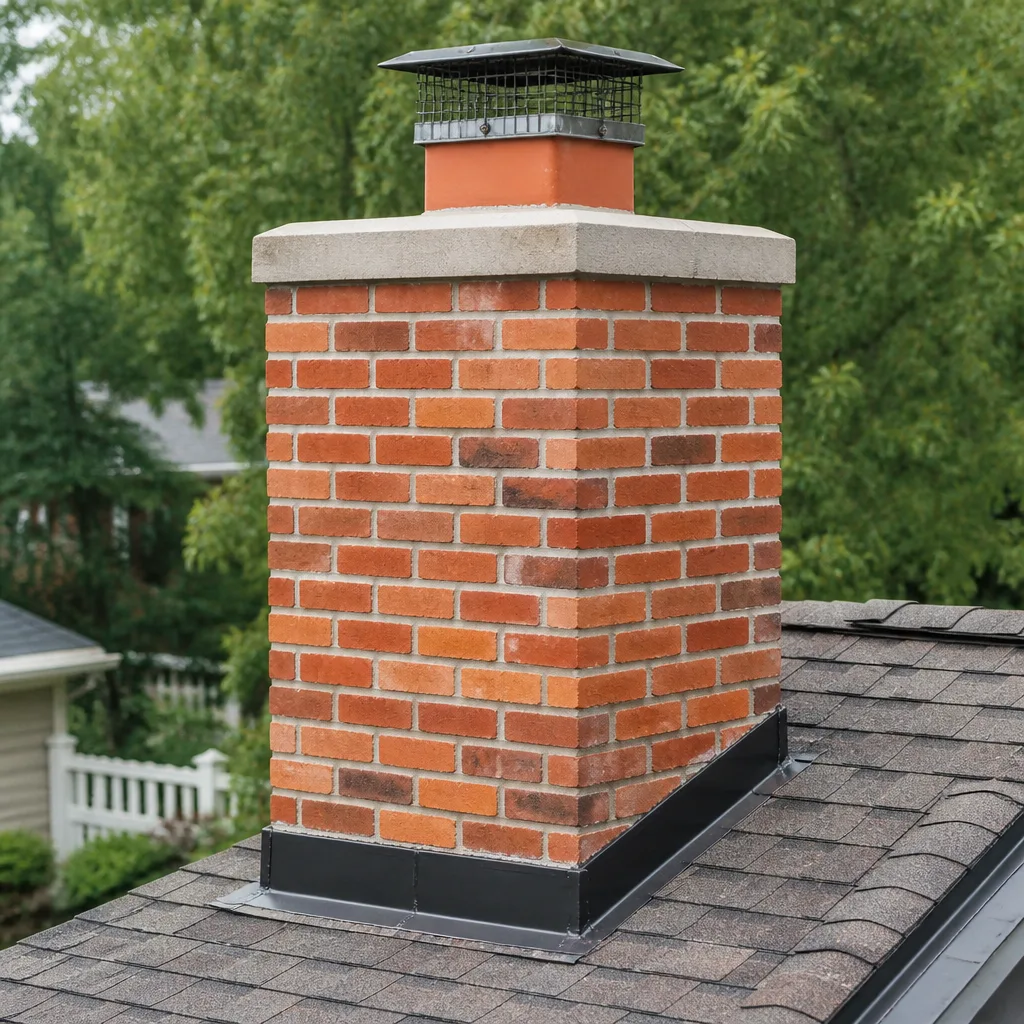 Masonry repair
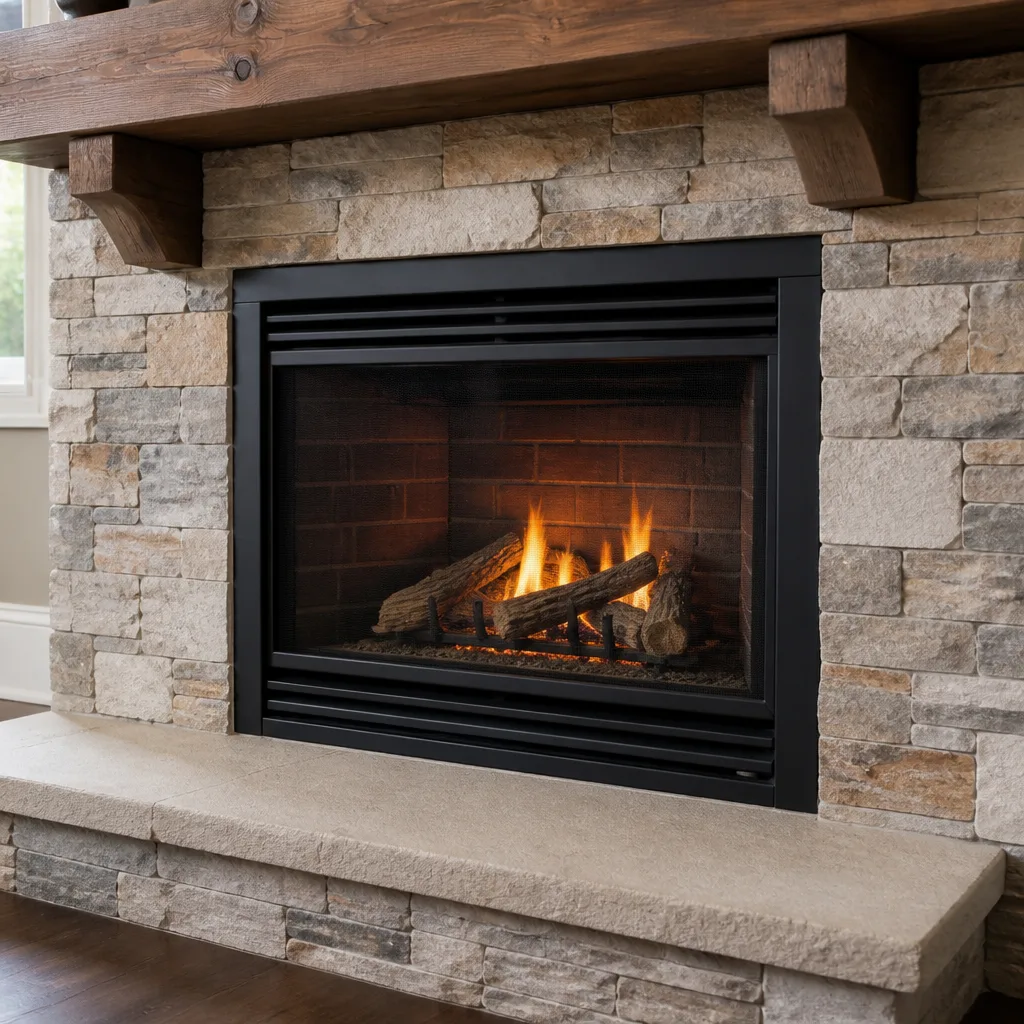 Gas fireplace service
Level 1 sweep and inspection to the NFPA 211 annual standard - flue, crown, cap, and flashing checked and photographed
Chimney sweep logs do not sweep chimneys. They loosen some creosote - which then falls where a brush and vacuum still have to collect it.
Chimney Sweep Troubleshooting in The Woodlands: Common Problems and How to Fix Them
If your fireplace smokes into the room, the instinct is to call for a cleaning. But a dirty flue is only one of several possible causes, and in a mild climate like ours it’s often not the leading one. Homes across The Woodlands sit with their fireplaces dark for most of the year, and that long idle stretch creates its own set of failure modes: animals move in, liners collect condensation, dampers seize. When a problem finally surfaces, guessing at it wastes time and money. This guide maps each symptom you’re likely to notice, from smoke rollback to a musty smell, to the mechanical cause behind it. You’ll learn which issues you can safely check yourself, which need a trained eye with inspection tools, and how to test your own draft before you call anyone.
Quick Answer
Most chimney problems in The Woodlands come down to four mechanical causes: a blocked or undersized flue, negative pressure inside the house, a damaged crown or cap letting water and animals in, or a liner that’s deteriorated from sitting unused. Smoke rollback is usually a draft problem, not a cleaning problem. Odors usually point to moisture or animal activity. And a cleaning alone won’t fix any of these, which is why the first step is a proper inspection rather than a brush.
Styles & brands we work with
- Sweep & inspection
- Caps & crowns
- Flue relining
- Masonry repair
- Gas fireplace service
Table of Contents
- Symptom-to-Cause Matrix: What Your Fireplace Is Telling You
- Why Idle Fireplaces in The Woodlands Fail
- How to Test Your Own Draft Before Calling Anyone
- Smoke Rollback and Downdraft: Finding the Real Cause
- Musty Odors and What They Actually Mean
- What You Can Safely Fix vs. What Needs a Professional
- When a Cleaning Won’t Solve the Problem
- Common Mistakes to Avoid
- When to Call a Professional
- Frequently Asked Questions
Symptom-to-Cause Matrix: What Your Fireplace Is Telling You
Start here. Most homeowners describe the same handful of symptoms, and each one narrows the cause considerably before anyone picks up a tool. Read down the list below and match what you’re seeing. If two or three symptoms overlap, you’re probably looking at more than one issue, which is common in older masonry chimneys around The Woodlands.
- Smoke rolls back into the room when you light a fire. Likely causes: negative pressure in the house, a flue that’s too short or undersized for the firebox, a partially closed or seized damper, or a flue blocked by a nest or debris. Cleaning is sometimes the fix and sometimes not.
- Smoke drifts down on windy days even with no fire. Usually a downdraft issue: a cap that’s missing or the wrong type, a chimney that’s shorter than nearby rooflines or trees, or a flue with no termination screen.
- A musty, sour, or smoky smell when the fireplace is cold. Moisture in the flue, creosote residue drawing damp, or animal activity. This is the most common complaint we hear after a long idle season.
- Slow ignition, weak fire, poor draw. Restricted airflow: a clogged flue, an oversized firebox relative to the flue, or a house that’s too tight for the chimney to pull properly.
- Water stains on the firebox or smoke chamber. Crown cracks, failed flashing, or a missing cap letting rain in. Wood-burning chimneys in The Woodlands see plenty of this, since heavy summer rain hits an unprotected flue mouth directly.
- Rust on a gas insert or damper. Condensation in a liner that sits cold most of the year. This matters because it’s a sign the liner is degrading from the inside.
- Visible creosote, shiny or flaky, on the flue walls. A creosote stage problem. Glazed creosote is the dangerous kind and won’t come off with an ordinary brush.
Once you’ve matched a symptom, the next section explains why it’s so common in this part of Texas.
Why Idle Fireplaces in The Woodlands Fail
Mild winters mean most fireplaces in The Woodlands stay dark for nine months or more. The fire gets lit for a cold snap or two, then the damper closes and the chimney goes back to sleep. That’s comfortable, but a chimney is a piece of building science that doesn’t like being ignored. Long stretches of inactivity create failure modes that a homeowner in a colder climate never deals with.
Animal intrusion tops the list. An uncapped flue is an open invitation. Birds, squirrels, and raccoons find a warm, dry, sheltered space and take up residence. Nests block the flue and cut your draft; they also bring mites and droppings into the smoke chamber. The fix is a properly fitted cap, and it’s the kind of repair we handle with Famco and Gelco caps and covers because they’re purpose-engineered for the job rather than improvised hardware from a bin.
Liner condensation is the quieter problem. A stainless liner that sits cold month after month, with warm humid air moving through it in summer, will collect condensation. Over time that moisture attacks the liner from the inside and rusts dampers and gas insert components. By the time a homeowner notices, the damage is usually well along.
Crown and flashing cracks widen. Summer sun and heavy rain work on a masonry crown steadily. A hairline crack that would take years to matter in a dry climate can open up faster here because the rain is concentrated and frequent.
Dampers seize. A damper that hasn’t moved in a year can be stiff or stuck. If it’s partly closed when you light the first fire of the season, you get smoke in the room and assume the chimney is dirty, when really the damper just needs freeing and the flue checked.
The takeaway: in The Woodlands, a fire that won’t draw is often a symptom of nine months of neglect rather than of heavy use. Treat the start of every burning season as the moment to check the whole assembly, not just the flue.
How to Test Your Own Draft Before Calling Anyone
You don’t need to climb on a roof to gather useful information. A simple draft test tells you and your technician whether the flue is pulling at all, and it takes a few minutes with things you already have. Do this with the fireplace cold and no fire burning.
- Open a window slightly in the same room, then close the doors to the rest of the house. This gives the fire a supply of combustion air and helps you separate a house-pressure problem from a flue problem.
- Check the damper is fully open. Reach up or use the control and confirm the damper plate is clear of the firebox opening. A damper that feels stuck is itself useful information.
- Light a stick of incense or a small smoke pencil and hold it near the top of the firebox opening, just inside the frame.
- Watch the smoke. If it’s drawn steadily up into the flue, your draft is working and the problem is likely something else, such as a cap or a downdraft on windy days. If the smoke hangs, curls back into the room, or drifts sideways, the flue isn’t pulling.
- Note what happens with the window closed. If the smoke draws well with the window open but stalls when you close it, you have a negative-pressure problem in the house, which is a different fix than a dirty flue.
Write down what you observed and tell the technician when you call. “It smokes on cold starts when the window’s shut, but draws fine with the window cracked” points straight at a pressure problem. “It won’t draw at all, window open or closed” points at a block or a sizing issue. That’s the difference between a guess and a diagnosis.
Smoke Rollback and Downdraft: Finding the Real Cause
Smoke rollback is the complaint that brings the most homeowners to us. The first instinct is to book a cleaning, but we’ve learned to slow people down on that. In our experience, a dirty flue explains less than half of the rollback cases we diagnose in The Woodlands. The rest come down to something a brush won’t touch.
Negative house pressure is the most overlooked cause. Modern homes are built tight. Bathroom fans, kitchen exhaust hoods, and clothes dryers pull air out of the house, and the chimney has to compete for the air coming back in. When the pressure balance tips against the chimney, smoke comes down or stalls. The tell is a fire that draws when a window is open and fails when it isn’t.
Flue sizing matters more than most people realize. A firebox that’s too large for its flue, or a flue that was sized for a different appliance, will never draw well no matter how clean it is. Adding an oversized insert without relining the chimney is a common way to end up here.
Downdraft from the roofline happens when the chimney is shorter than nearby structures or tall trees, or when wind comes over the roof at the wrong angle. A correctly fitted cap often helps. So does an assessment of the termination height.
A blocked or partially blocked flue still accounts for a real share of cases. A bird nest, a fallen cap, or heavy creosote will do it. This is where cleaning does the job, but only after an inspection confirms the block.
The point is to separate these before booking anything. A chimney sweep solves the blocked-flue case. The pressure, sizing, and downdraft cases need a different answer, and some of them need a structural repair.
Musty Odors and What They Actually Mean
A fireplace that smells musty or sour when it’s not burning is telling you something specific. The most common source is creosote residue combined with moisture. When a flue is dirty and then sits idle through a humid stretch, the creosote absorbs damp and releases that smell back into the room. A second common source is animal activity, which leaves droppings and nesting material that carry their own odor.
Less often, the smell comes from a liner that’s failing and letting moisture into the masonry. If you have a gas insert and notice a metallic or sulfurous edge to the smell, that’s worth a close look, because it can point to a venting issue that a cleaning won’t resolve.
Here’s the short version on what to do about odor:
- If it’s a cold-season smell and clears when you burn a fire, it’s likely residual creosote and damp. A cleaning usually handles it.
- If it’s persistent through summer and you’ve had animals before, check the cap and flue for nests. A missing or damaged cap is the usual culprit.
- If it’s accompanied by water stains or rust, the moisture problem is coming from above: crown, flashing, or cap. That’s a repair, not a cleaning.
- If it’s a gas smell or a sulfur smell with a gas insert, stop using it and have it checked before anything else.
Odor troubleshooting is one place where an inspection pays for itself. A camera look at the flue tells you whether you’re dealing with creosote, nesting material, or a structural moisture issue, and each of those has a different fix.
What You Can Safely Fix vs. What Needs a Professional
Some chimney problems are genuinely a homeowner’s job. Others are dangerous, and it’s worth being honest about the line. High-tension springs aren’t part of this, but the same principle applies to a chimney: if fixing it means working at height, opening the flue structure, or dealing with a suspected gas appliance, it belongs to a trained professional.
Safe for a homeowner:
- Opening and closing the damper, and noting whether it moves freely.
- Running the incense draft test described above.
- Checking from the ground with binoculars whether the cap is present and the crown looks cracked.
- Replacing a missing or loose cap, only if it can be reached safely from the ground or a stable, low access point and does not require climbing on the roof.
- Keeping combustible materials clear of the hearth and firebox opening.
Needs a professional:
- Anything that requires climbing on the roof or working at height. Falls are the leading cause of serious injury in chimney work, and a chimney crown or flashing repair is no place to learn that lesson.
- Creosote removal at the glazed stage. Glazed creosote needs specialized treatment, and aggressive brushing of a failing flue can do more harm than good.
- Any liner work. A stainless relining job with a DuraFlex system is a precision installation, and doing it wrong creates a fire and carbon monoxide risk.
- Anything involving a gas insert or the gas line.
- Structural repair to the crown, smoke chamber, or masonry.
If you’re not sure which bucket a problem falls into, that’s the moment to get an inspection rather than guess. The inspection itself is straightforward, and it tells you whether the fix is a cap, a cleaning, or a repair.
When a Cleaning Won’t Solve the Problem
A cleaning removes creosote and soot from a flue that’s otherwise sound. It doesn’t repair a cracked crown, restore a degraded liner, correct a flue that’s too small, or solve a house-pressure problem. This is the central point of this whole guide, and it’s where sweep-only crews run into a wall.
Here’s how the common “it still doesn’t work” cases break down:
- Smoke rollback that isn’t caused by a block. A cleaning clears the flue, but the smoke still rolls back because the cause was pressure, sizing, or downdraft. The homeowner paid for a cleaning and the problem remains.
- Liner deterioration. Cleaning a failing liner doesn’t fix it, and in some cases brushing accelerates the damage. A liner that’s cracked or rusted through needs restoration or replacement, not a sweep.
- Crown and flashing leaks. Cleaning won’t stop water coming in. The repair is at the top of the chimney, and it needs the right materials and a trained hand.
- Animal intrusion without a cap. Clearing the nest is a start, but without fitting a proper cap the animals return. The repair and the cleaning have to happen together.
- Glazed creosote. Ordinary brushing doesn’t remove it. It needs a specific treatment, and that’s a different job from a routine sweep.
This is why hiring a sweep-only crew for a structural problem tends to waste money and delay the real repair. You get a clean flue and a problem that’s still there, then you pay again for a second company to come out and do the actual work. At Highpoint we pair sweeping with repair and inspection as three services under one roof, so the person who finds the problem is the same one who fixes it. A Highpoint Chimney Sweep visit covers cleaning, a camera look at the flue, and the repair work in the same visit when it’s needed.
On the repair side, we use trade-grade materials for a reason. Chimney repair done with the right components lasts, whether that’s a DuraFlex stainless liner, the HeatShield ceramic resurfacing system for restoring a damaged liner, or Famco and Gelco caps and covers to close up intrusion and weather entry. Those are the same brands professional contractors rely on, not hardware-store substitutes, and we name them so you know exactly what’s going onto your chimney.
Common Mistakes to Avoid
- Assuming smoke means the chimney is dirty. Smoke in the room is a draft symptom, and a dirty flue is only one cause. Testing the draft first, as above, saves you a cleaning that doesn’t fix anything.
- Skipping the cap to save a step. In The Woodlands, an uncapped flue is an open doorway for birds, squirrels, and raccoons during the long idle season. A purpose-engineered cap is the cheapest insurance against a nest in your flue.
- Burning without a working draft check at the start of the season. After nine months of inactivity, the first fire of the year is the one most likely to smoke. Light a small test fire and watch the draw before you sit down for the evening.
- Using a big-brand cleaning product or a hardware-store brush on a suspect liner. If the liner is degraded, aggressive cleaning can make it worse. Have the liner inspected before you brush it.
- Assuming a musty smell is harmless. An odor that lingers through summer usually means moisture or animal activity, and both get worse with time. It’s a sign to inspect, not to ignore.
- Hiring the cheapest sweep for a structural problem. A sweep-only crew clears the flue and hands off the repair, which means a second call and a second charge. Ask whether the company does repairs and inspections, and whether they’ll show you the camera evidence before recommending work.
- Doing roof-level work yourself. Crown cracks and flashing repairs require getting on the roof safely. A fall risk isn’t worth the money you think you’re saving, and a badly repaired crown leaks again within a season.
When to Call a Professional
Call a professional if smoke rolls into the room and the draft test shows the flue isn’t pulling, if you smell gas or sulfur from a gas insert, or if you see water stains or rust inside the firebox. Call if you’ve had birds or animals in the flue, because a nest removal needs to come with a proper cap. Call if the crown looks cracked from the ground or the flashing around the chimney is loose. And call if you can’t remember the last inspection, especially in The Woodlands, where the long idle season lets small problems grow quietly. Anything structural, any liner work, and anything involving a gas appliance belongs with a trained professional, not a ladder and a weekend.
Highpoint Chimney Sweep offers free estimates in The Woodlands. Call (844) 320-3258. We answer 24/7. Fast dispatch from 7am to 7pm, Sunday through Friday. Our technicians have up to 12 years of experience, and they’ll show you the camera evidence before recommending any repair. If a problem can safely wait, we’ll tell you. You can also read more about our service in The Woodlands.
Frequently Asked Questions
Smoke in the room is a draft failure, and the most common causes are negative pressure in the house, a flue that’s too small or too short, a seized damper, or a blocked flue from an animal nest. Run the incense test with a window cracked and a closed house to narrow it down. If the smoke draws with the window open and stalls when it’s shut, that points to a pressure problem rather than a dirty flue. Call (844) 320-3258 for an exact diagnosis – estimates are free.
A liner only needs replacing or restoring when the inspection shows the existing one is cracked, rusted through, or otherwise failing, and you’re entitled to see that evidence for yourself. Ask for the camera footage before you agree to anything. If a liner is sound and just dirty, a cleaning is enough. When restoration is the right call, the HeatShield ceramic resurfacing system can sometimes bring a damaged liner back rather than replacing it outright, and a full replacement uses a DuraFlex stainless system. Call (844) 320-3258 for an exact quote – estimates are free.
For a wood-burning fireplace, an annual inspection and cleaning as needed is the standard, even if you only burn a handful of fires each winter. The reason is the long idle season here: problems like animal intrusion and liner condensation develop while the fireplace is dark, not while it’s in use. An annual inspection catches those before they turn into a repair. Call (844) 320-3258 to book a visit – estimates are free.
Small problems get the whole idle season to grow. A cracked crown lets water into the masonry, a missing cap lets animals nest, and a liner that’s starting to fail keeps degrading out of sight. None of that is an emergency on day one, but it becomes an expensive repair over a season or two. A yearly look catches it while the fix is still small. Call (844) 320-3258 to schedule – estimates are free.
Creosote, the residue that builds up in a flue, is flammable, and a heavy enough buildup can ignite in what’s called a chimney fire. That’s why clearing creosote and checking for the glazed stage matters, and why we treat a cleaning as a starting point rather than a finish line. A chimney fire can damage the flue and spread beyond the chimney, so it’s not something to gamble on. If you haven’t had the flue checked in a while, call (844) 320-3258 – estimates are free.
A musty or sour smell from a cold fireplace usually means creosote residue holding moisture, animal activity in the flue, or a liner letting damp into the masonry. It’s rarely a harmless quirk, and it tends to get worse through a humid summer. An inspection with a camera tells you which of the three you’re dealing with, and the fix is different for each. Call (844) 320-3258 for an exact quote – estimates are free.
The Bottom Line
Chimney problems follow patterns. Smoke in the room is usually a draft failure, not a cleaning problem. Odors point to moisture or animals. Water stains come from above: crown, cap, or flashing. In The Woodlands, the long idle season makes animal intrusion, liner condensation, and a seized damper the issues most homeowners run into, and none of them are fixed by a brush alone. Test your draft before you call, match your symptom to the cause, and hire a company that can inspect, clean, and repair in one visit. A clean chimney is the starting point, not the finish line.
Contact Us
If you’ve matched your symptom and you’re ready for a diagnosis, call Highpoint Chimney Sweep at (844) 320-3258 for a free estimate. We answer 24/7. Fast dispatch from 7am to 7pm, Sunday through Friday. We bring trade-grade materials, show you the camera evidence, and handle the repair in the same visit when it’s needed. You get one accountable company instead of three.
Written by the team at Highpoint Chimney Sweep.
See the difference
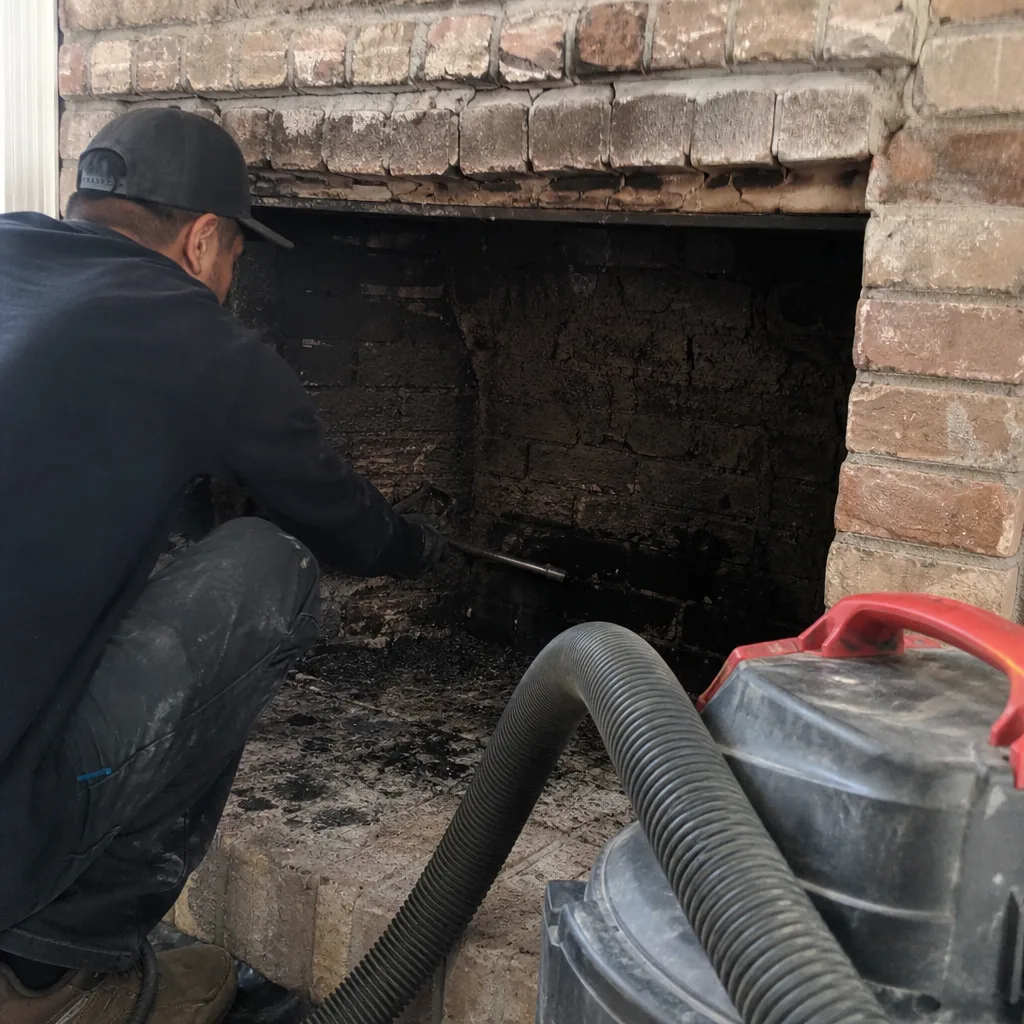 Before
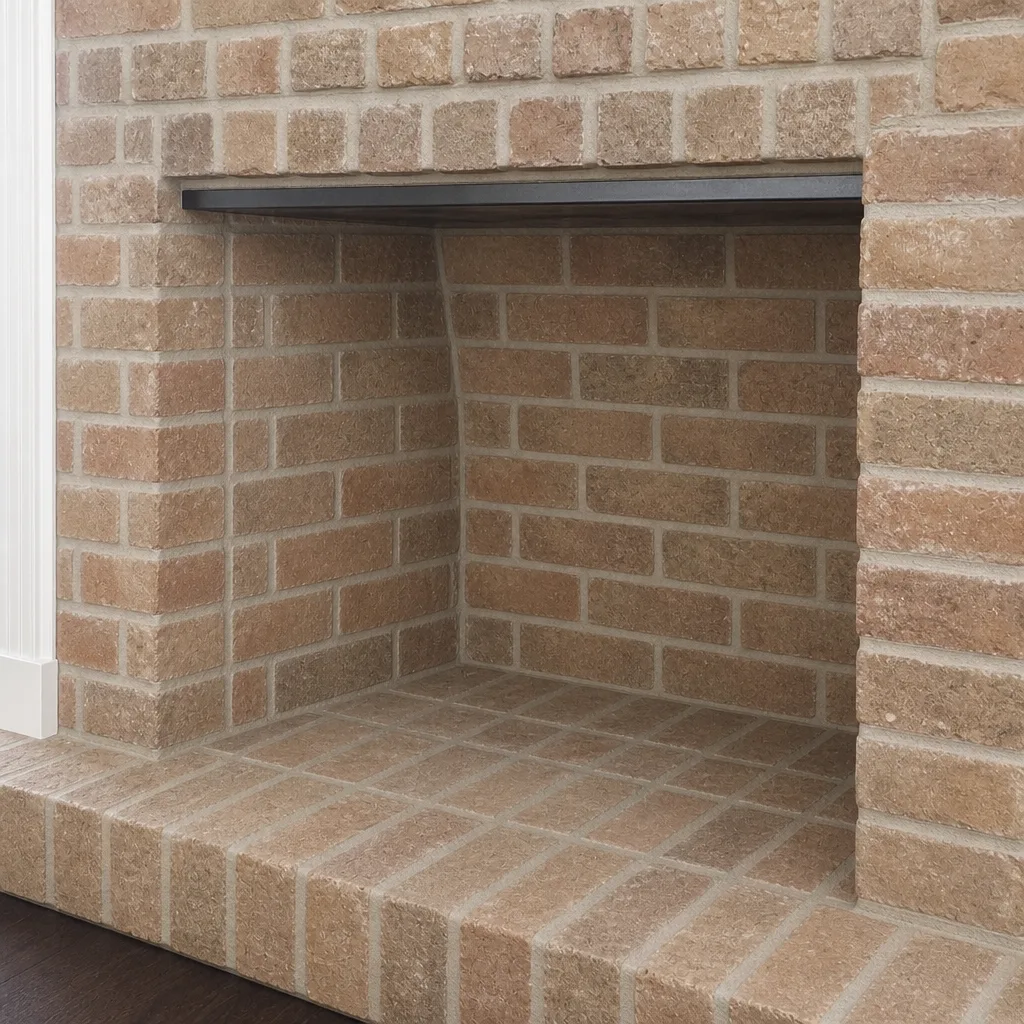 After
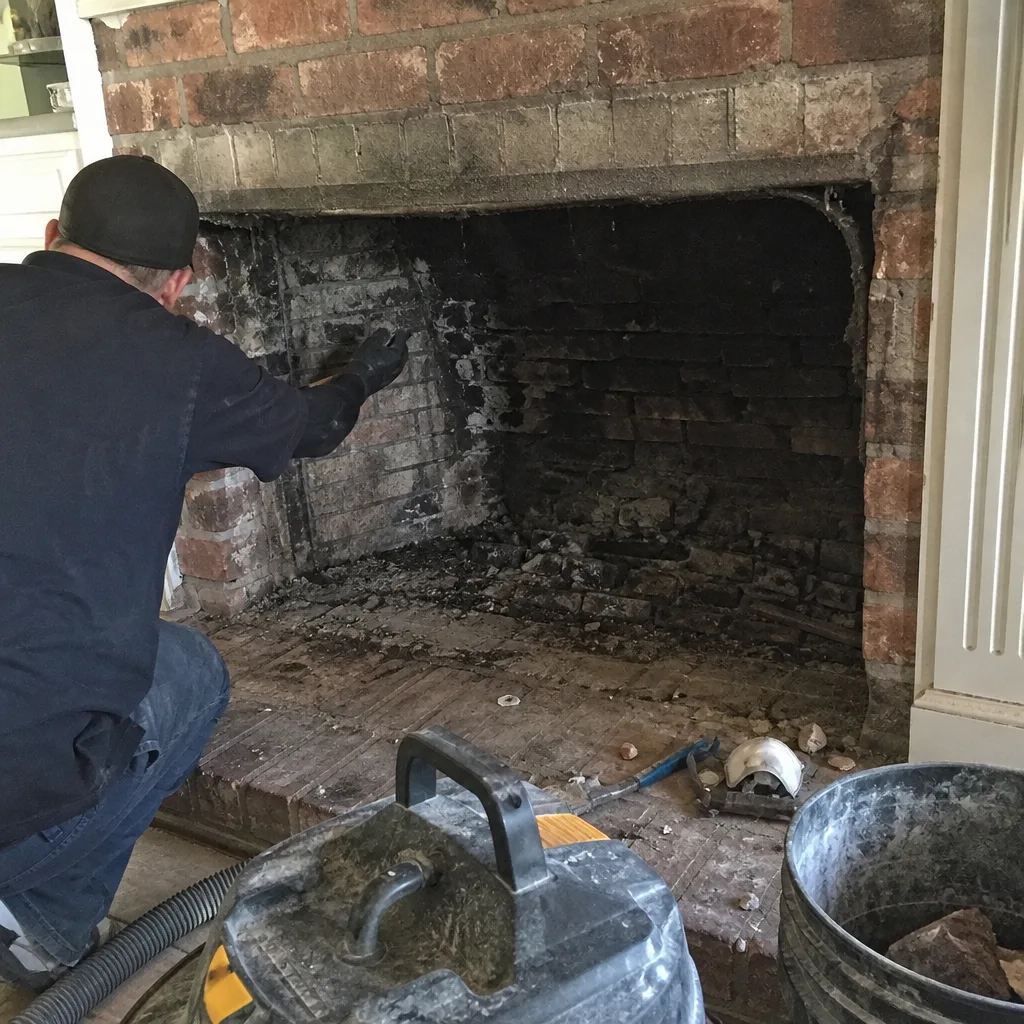 Before
 After
 Before
 After