
Last updated November 15, 2026
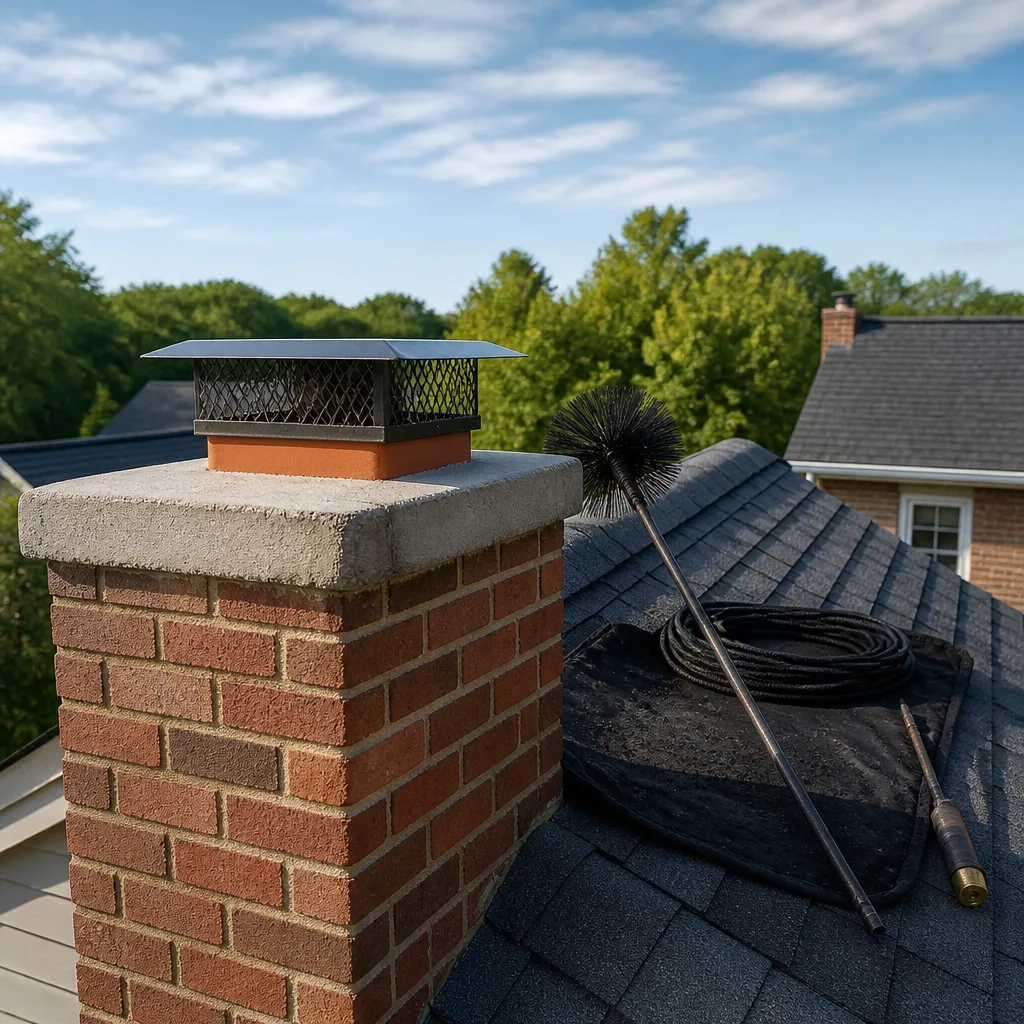 Sweep & inspection
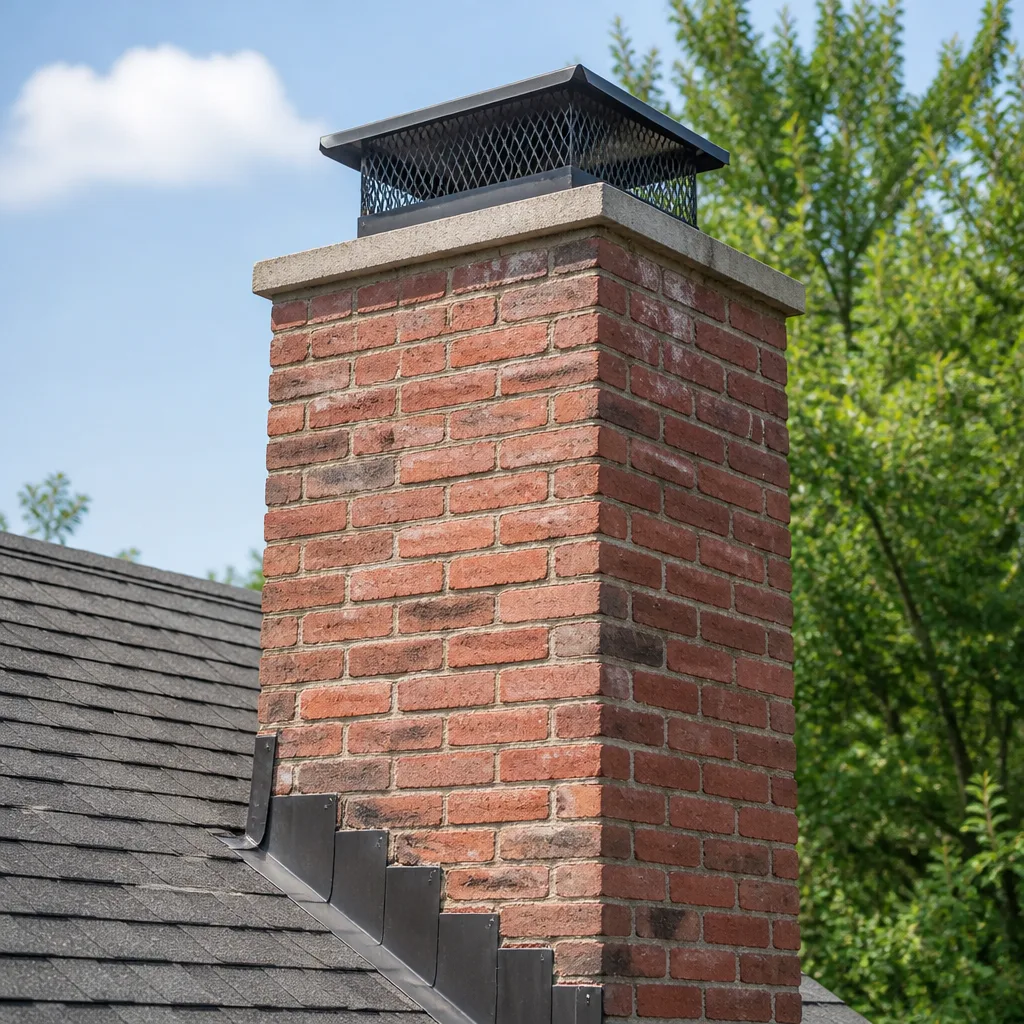 Caps & crowns
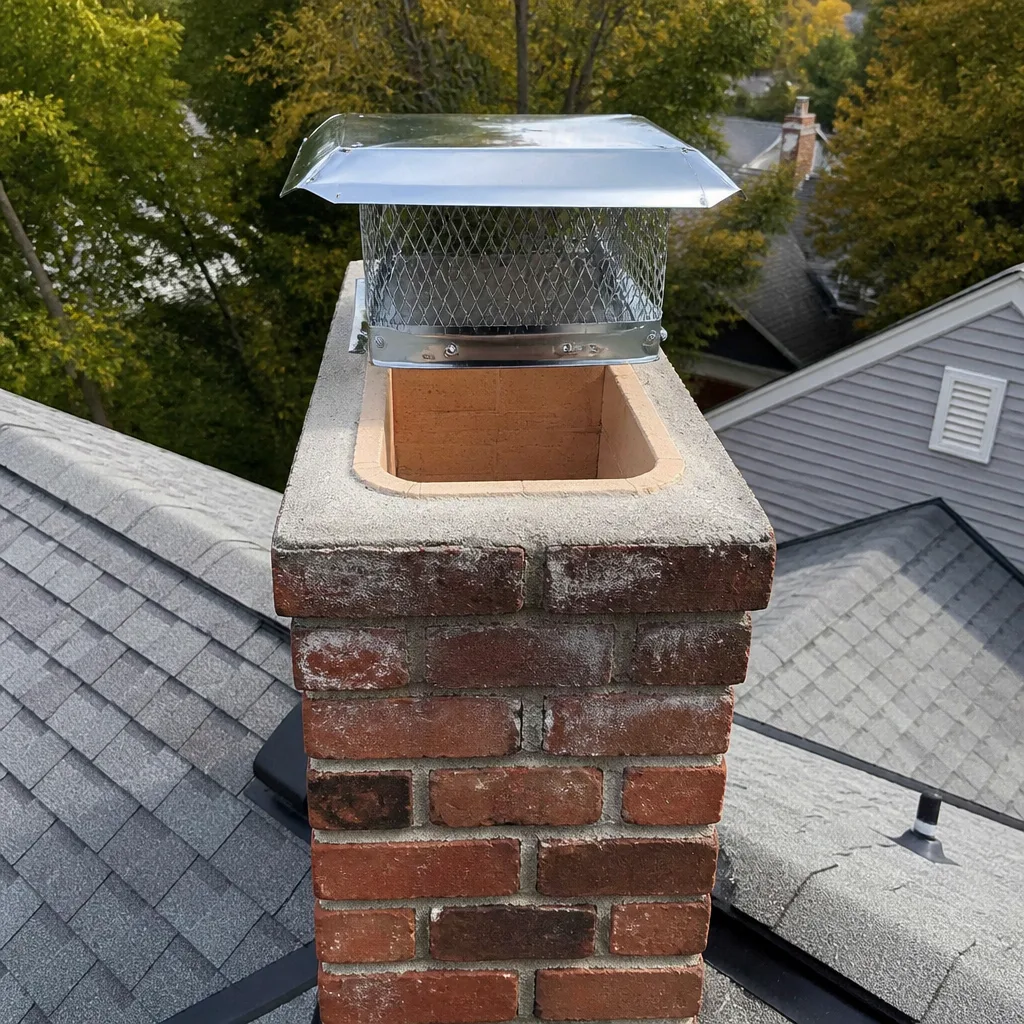 Flue relining
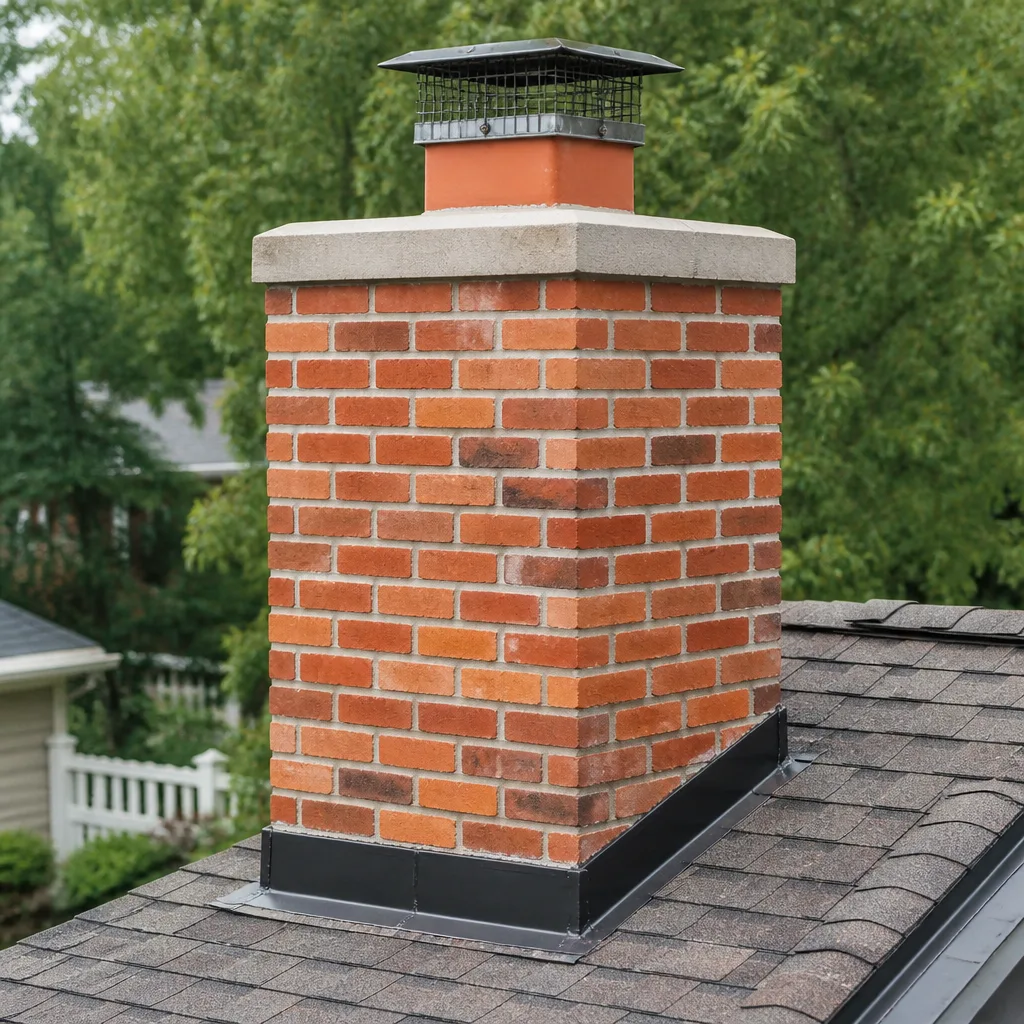 Masonry repair
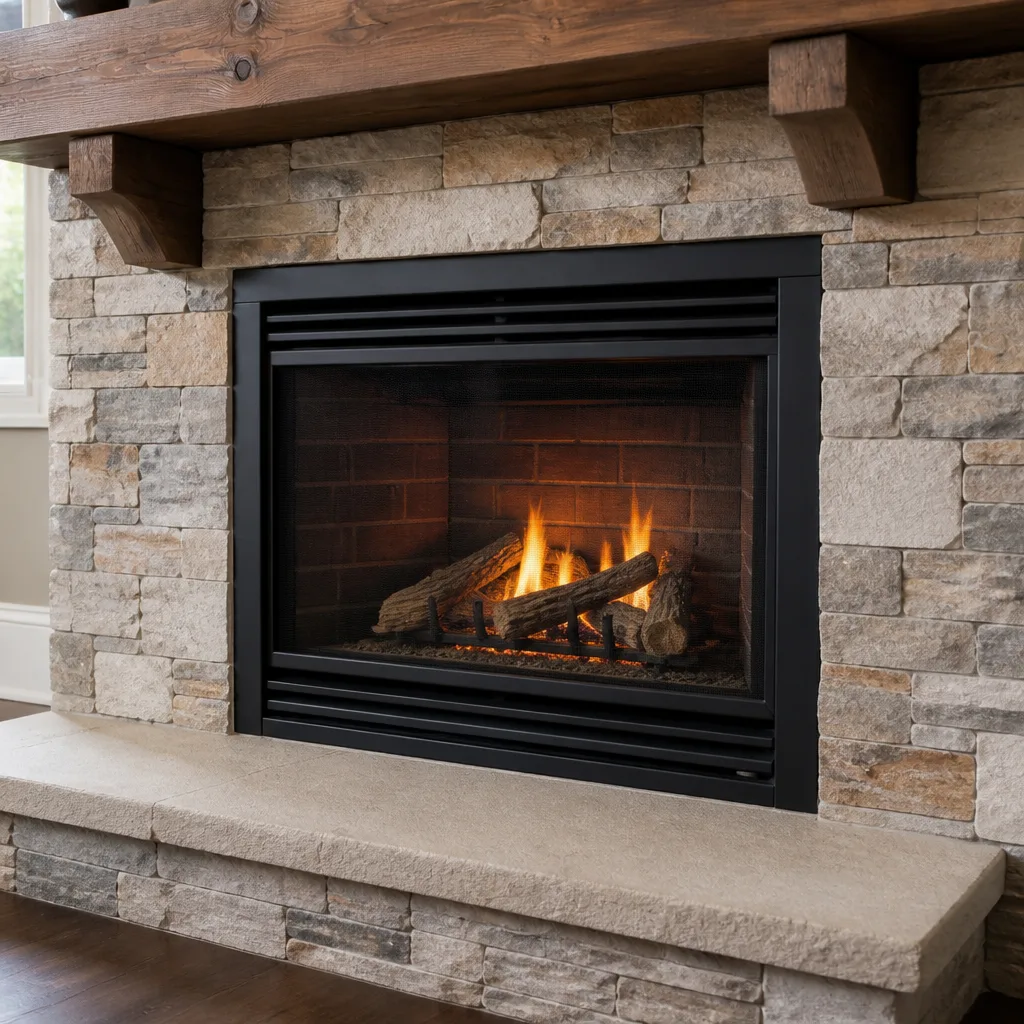 Gas fireplace service
Level 1 sweep and inspection to the NFPA 211 annual standard - flue, crown, cap, and flashing checked and photographed
Chimney sweep logs do not sweep chimneys. They loosen some creosote - which then falls where a brush and vacuum still have to collect it.
Chimney Cleaning Emergency Preparedness Guide for The Woodlands Homes
Most homeowners think of chimney emergencies as weather events. In The Woodlands, they almost never are. The dangerous night is usually a mild one: the first real cold snap of the season, the fireplace lit for the first time in months, and a flue that has been quietly collecting creosote since last spring. A chimney fire can reach 2,000°F inside the flue within seconds of ignition. At that temperature, the question of whether your liner contains the fire has already been answered by work done months or years ago, not by anything you do in the moment. This guide is about the decisions you make before an emergency so that the emergency itself is survivable and manageable. We’ll cover what a chimney fire actually sounds and feels like from inside the house, the correct response sequence and why one common instinct is wrong, how to assess a chimney after a fire, the carbon monoxide risk that’s specific to gas fireplaces and log sets in The Woodlands, and the documentation steps that make an insurance claim go smoothly.
Quick Answer
If you suspect a chimney fire, get everyone out of the house, call 911, and don’t open the damper or try to cool the fire yourself. For gas fireplaces and log sets, carbon monoxide is the bigger risk and the one that doesn’t announce itself, so a working CO detector on the same floor as the fireplace is the single most important piece of preparedness equipment in a The Woodlands home. After any fire event, a Level 2 inspection is mandatory regardless of how little damage you can see from the firebox.
Styles & brands we work with
- Sweep & inspection
- Caps & crowns
- Flue relining
- Masonry repair
- Gas fireplace service
Table of Contents
- What a Chimney Fire Sounds and Feels Like From Inside the House
- The Correct Immediate Response Sequence
- Why Opening the Damper Is the Wrong Instinct
- How to Assess a Chimney After a Fire Event
- Why a Level 2 Inspection Is Mandatory After a Fire
- Carbon Monoxide Risk in The Woodlands Gas Fireplaces and Log Sets
- What Information to Have Ready When You Call the Fire Department
- Post-Emergency Documentation for Insurance
What a Chimney Fire Sounds and Feels Like From Inside the House
The most dangerous chimney fires are the ones nobody notices. A slow, smoldering fire in a creosote-loaded flue can burn for hours with no visible flame and no dramatic sound, quietly degrading the liner and the mortar joints around it. The fires that get noticed are the dramatic ones, and they have a specific signature that’s worth knowing before you ever experience it.
From inside the house, a serious chimney fire often sounds like a low rumble or a roaring sound coming from the wall behind or above the firebox, similar to a distant train or a low-flying aircraft. Some homeowners describe a crackling or popping that’s louder and more rhythmic than normal fire sounds, often followed by a vibration you can feel in the floor or the wall. You may hear a whistling or screaming noise at the top of the chimney as superheated air and gases are pulled through the flue.
Visible signs from inside include:
- Dense smoke backing into the room from the firebox or through the damper area
- Glowing or discoloration visible through the seams of the chimney chase, especially in homes with an exterior masonry chimney
- Puffs of dark smoke or sparks coming out of the chimney top, visible from outside
- A sudden, intense heat radiating from the fireplace surround or the wall above it
- Flaming creosote falling back down the flue, sometimes described as a “flamethrower” effect inside the firebox
In The Woodlands, many homes have fireplaces set into exterior chimney chases with visible masonry on the outside of the house. That construction makes it easier to spot a chimney fire from the yard than from inside, so if you smell smoke outside and can’t find the source, walk the perimeter and look at the chimney top. Our technicians have up to 12 years of experience, and in that time the pattern is consistent: the fires that cause the most structural damage are the ones the homeowner didn’t know happened until a sweep found the evidence later.
The Correct Immediate Response Sequence
If you believe your chimney is on fire, the sequence matters more than anything else you do. Work through these steps in order.
- Get everyone out of the house. Don’t stop to gather belongings. Move to a safe distance from the structure and stay there.
- Call 911. Tell the dispatcher you believe you have a chimney fire. Even if the fire appears to have burned itself out, call. Chimney fires can reignite in concealed framing hours later, and the fire department needs to check the structure.
- Close the glass doors on the fireplace if it has them. This starves the fire of some oxygen and keeps embers from spilling into the room.
- Don’t open the damper. More on this below, but the short version is that the instinct to “let the smoke out” can make everything worse.
- Don’t spray water into the firebox. A sudden temperature change can crack masonry or a clay liner, and a steam explosion is a real risk if you hit superheated material.
- If you have a chimney fire extinguisher or a Chimfex-style flare, use it according to its instructions only if you can do so safely and only if you’re already out of the immediate danger zone.
- Wait for the fire department. Don’t re-enter the house until they clear it. Don’t relight the fireplace, period, until a professional has inspected the chimney.
Two practical notes for The Woodlands homeowners. First, know where your gas shutoff is for a gas fireplace or log set, and know how to turn it off. Second, keep a clear path to the front door and know your exits. In a smoke event, visibility drops fast even in a large home.
If you’re reading this before anything has happened, the most useful thing you can do right now is schedule a chimney sweep before the season starts. The best emergency response is the one you never need.
Why Opening the Damper Is the Wrong Instinct
The instinct to open the damper during a chimney fire comes from a reasonable place: more airflow usually means more smoke going up and out, and that feels like it should help. In a chimney fire, it does the opposite.
An open damper feeds the fire. A chimney fire is a combustion event in the flue, and it’s drawing air through the firebox and up the chimney. Opening the damper increases that draft substantially, which means more oxygen reaching the burning creosote and a hotter, faster fire. It also increases the chance that flames or embers will push out of the firebox and into the room.
What you actually want during a chimney fire is to reduce the air supply to the flue. A closed damper (or a chimney-top damper that’s already closed) starves the fire. A closed glass door on the fireplace helps too. If the fire is already drawing hard, closing the damper won’t stop it, but it won’t make it worse and it may slow it enough for the fire department to arrive.
The other reason not to open the damper: a chimney fire can damage the damper itself. If the damper is stuck open after a fire and you don’t know it, you’re sending heated air and combustion byproducts into the room on the next burn. Part of what we check during a post-fire inspection is the damper and the firebox-to-flue transition, and we use purpose-built components like Gelco and Famco caps and covers when the top-of-chimney components need replacing after a fire event. Trade-grade parts for a fire-damaged chimney, not improvised hardware.
How to Assess a Chimney After a Fire Event
Once the fire department has cleared the house, you’ll want to understand what you’re dealing with. You can assess some things yourself, but the honest answer is that a post-fire assessment is the beginning of a professional inspection, not a substitute for one. Here’s what to check from the ground and the room level.
- Look at the chimney exterior. From the yard, check for cracked masonry, discolored brick, a damaged or missing chimney cap, or visible gaps in the crown at the top. A cracked crown is a common finding after a fire.
- Check the firebox and damper. Look for warped metal, cracked firebrick, or a collapsed damper. If you see cracks in the firebox panels, stop using the fireplace immediately.
- Smell for smoke. If the smell of smoke persists in the room days after the fire, that’s a sign that the flue or the chimney chase has been compromised and combustion gases are escaping into the structure.
- Check for water intrusion. After a fire, the chimney cap and crown may be damaged, and in The Woodlands, our humid climate and seasonal heavy rain will find any gap. Water in the firebox or rust on the damper is a warning sign.
- Look at the liner from the firebox. Shine a light up the flue and look for cracked, spalling, or missing liner sections. If you can see gaps or bright spots, do not use the fireplace.
- Don’t clean anything yet. We’ll come back to this in the insurance section, but resist the urge to scrub the firebox or power-wash the exterior before you’ve documented the damage.
What you can’t see from the ground or the firebox is the part that matters most: the flue interior above the visible section, the chimney chase framing, and the crown and cap assembly. That’s what a professional inspection covers, and it’s why we don’t consider a chimney safe to use after a fire until it’s been inspected properly.
Why a Level 2 Inspection Is Mandatory After a Fire
A Level 2 inspection is the standard inspection that’s required after any chimney fire, any change in the fuel type or appliance, or any transfer of the home to new owners. For a post-fire situation, it’s not optional.
Level 1 inspections are visual checks of the readily accessible portions of the chimney, and they’re appropriate for a routine annual check. Level 2 inspections go further: they include a visual inspection of all accessible portions of the chimney, and they use video scanning equipment to look at the interior of the flue. That’s the only way to see cracks and gaps in a liner that aren’t visible from the firebox, and after a fire, hidden liner damage is the single biggest safety concern.
In our experience, the most common post-fire findings in The Woodlands homes are:
- Cracked clay tile liners, usually at joints and at the flue transition
- Spalling in the firebox masonry
- Warped or damaged dampers
- Creosote deposits that have glazed into a hard, tar-like layer
- Damaged or missing caps and crowns that allow water intrusion
If the inspection finds a compromised liner, the repair options are more limited than most homeowners expect. A clay tile liner that’s cracked usually can’t be patched in place. Depending on what we find, we may recommend a HeatShield ceramic resurfacing system, which restores a damaged liner from the inside without a full tear-out, or a DuraFlex stainless liner system when the liner needs to be replaced. HeatShield is a pro-tier repair option that many sweep-only services can’t offer, and it’s one of the reasons we can often solve a post-fire liner problem in one visit rather than handing you off to a second contractor.
What a proper post-fire inspection gives you is a documented picture of the damage. That’s what you need for your own peace of mind and for your insurance claim.
Carbon Monoxide Risk in The Woodlands Gas Fireplaces and Log Sets
A chimney fire is dramatic. Carbon monoxide is quiet. In a home with a gas fireplace or a gas log set, CO is the risk that’s more likely to hurt someone, and it’s the one most homeowners aren’t prepared for.
Gas fireplaces and log sets produce carbon monoxide as a normal byproduct of combustion, and that CO needs a clear vent path to the outside. When the vent is blocked (by a bird’s nest, by creosote, by debris, or by a damaged liner), or when the vent is compromised, CO can back up into the room. It’s colorless and odorless, and early symptoms like headache, dizziness, and fatigue are easy to mistake for a cold or a long day.
For a The Woodlands home, the preparedness steps are straightforward:
- Install CO detectors on every floor and near every sleeping area. That’s the baseline. The placement that matters most for a fireplace is a detector in the same room as the fireplace, not just one in the hallway.
- Put the detector at the right height. Carbon monoxide is slightly lighter than air and mixes roughly evenly, but installing it near the ceiling or at breathing height on a wall gives you the best chance of early detection. Don’t put it directly above the fireplace, where the heat and combustion gases will cause nuisance alarms.
- Know the difference between a chirp and an alarm. A chirp is a low-battery indicator. A sustained alarm means get everyone outside and call 911. Don’t open windows to “clear it” and then stay in the house.
- Test your detectors before the season. The first cold snap of the year is when gas fireplaces get used again, and it’s also when a dead detector is most likely to be discovered the hard way.
- Have the vent inspected. A gas fireplace with a blocked or compromised vent is a CO source. A sweep and inspection are cheap insurance.
One specific The Woodlands note: the same live oak and pine canopy that makes our neighborhoods beautiful also makes them attractive to birds and squirrels, and a missing or damaged chimney cap is an open door. Caps and covers are exactly the kind of repair that gets caught during an inspection and fixed on the spot. We use Famco and Gelco caps and covers because they’re engineered for the job, and we also stock Olympia Chimney components for the vented gas appliance side of the work.
If you have a gas appliance and you’re not sure when it was last inspected, call (844) 320-3258. We answer 24/7. Fast dispatch from 7am to 7pm, Sunday through Friday.
What Information to Have Ready When You Call the Fire Department
When you call 911 during a chimney fire, the dispatcher will ask a series of questions. Having answers ready helps them respond appropriately, and in a real event, a few seconds of clarity matters.
The information that affects how firefighters approach the structure:
- Chimney type. Is it masonry (brick and mortar) or a manufactured metal chimney? Is it an interior chimney or an exterior chase? Masonry chases hold heat and can conceal fire in the framing; metal chimneys can warp or separate.
- Liner material. Clay tile, stainless steel, cast-in-place, or unknown. If you don’t know, say so.
- Last inspection date. If your chimney was inspected recently, say so, and if you have the report, have it ready. This tells firefighters what the baseline condition was.
- What you were burning. Wood, gas, pellets, or a combination. Gas appliances change the risk profile because of the CO risk.
- Whether the fireplace has a gas log set and where the shutoff is. They’ll want to know.
- The last time the chimney was swept. If you don’t know, say that. Don’t guess.
- Whether anyone is in the house and where. Confirm the house is empty if you know it is.
Keep a small folder or a note on your phone with these details and update it after each service visit. It sounds like overkill. It isn’t, in the moment. Also keep your CO detector test records and your inspection reports together, since those double as insurance documentation.
Post-Emergency Documentation for Insurance
What you do in the first 24 hours after a chimney fire affects how smoothly the insurance claim goes. The general rule is that you document before you clean, and you preserve before you repair.
- Take photos of the exterior of the chimney from multiple angles. Include the top, the sides, the cap, and the crown. Get the yard in the photo for scale if you can.
- Take photos inside the firebox and of the damper. Get close-ups of any cracks, discoloration, or warped metal.
- Take photos of the room around the fireplace, including the hearth, the surround, and the wall above it. Smoke staining and scorching are part of the claim.
- Photograph any water intrusion. If water came in through a damaged cap or crown during the fire response, document it.
- Don’t clean the firebox, the flue, or the exterior chimney. Your adjuster and your sweep both need to see the damage in its original state.
- Keep the fire department’s incident report number. You’ll need it for the claim.
- Get the inspection report in writing. A post-fire Level 2 inspection report with photos and a written summary is the document your adjuster will rely on most.
- Keep all receipts, including any emergency response costs and the inspection fee.
In The Woodlands, the insurance piece is more straightforward if you already have a recent inspection on file. It establishes the baseline condition of the chimney and makes it clear what the fire changed. If you don’t have one, the post-fire inspection becomes the baseline, and the adjuster may ask more questions about pre-existing conditions. Getting a routine The Woodlands-area inspection done on a regular schedule is one of the small decisions that makes a bad night much easier to handle.
Common Mistakes to Avoid
- Opening the damper during a fire. It feels like the right move because smoke is backing into the room, but opening the damper feeds the fire and can push flames out of the firebox. Close the glass doors, leave the damper alone, and get out.
- Assuming a small fire was no big deal. A slow, smoldering chimney fire can look like nothing from inside the house and still cause significant liner damage. Any fire event, no matter how small, requires a post-fire inspection.
- Skipping the CO detector. Gas fireplace and log set owners in The Woodlands sometimes assume the vent is fine because they don’t smell anything. CO doesn’t smell. A detector is the only reliable early warning.
- Cleaning before documenting. The urge to tidy the firebox or wash the exterior chimney is strong. Don’t. Your adjuster and your sweep need to see the damage in its original state.
- Relighting the fireplace before inspection. Even if the fire seems to have burned itself out and the chimney looks fine from the outside, don’t relight. A compromised liner can turn the next fire into a structural fire.
- Calling a sweep-only service and then a separate contractor for the repair. If a post-fire inspection turns up liner damage, you want one company that can inspect, clean, and repair. Highpoint Chimney Sweep offers all three, which means you don’t get handed off between vendors mid-emergency.
- Putting off the annual sweep because “it wasn’t that cold.” The Woodlands winters are mild, but creosote accumulates whether or not you burned heavily. A light season still leaves deposits that need to come out before the next one.
See the difference
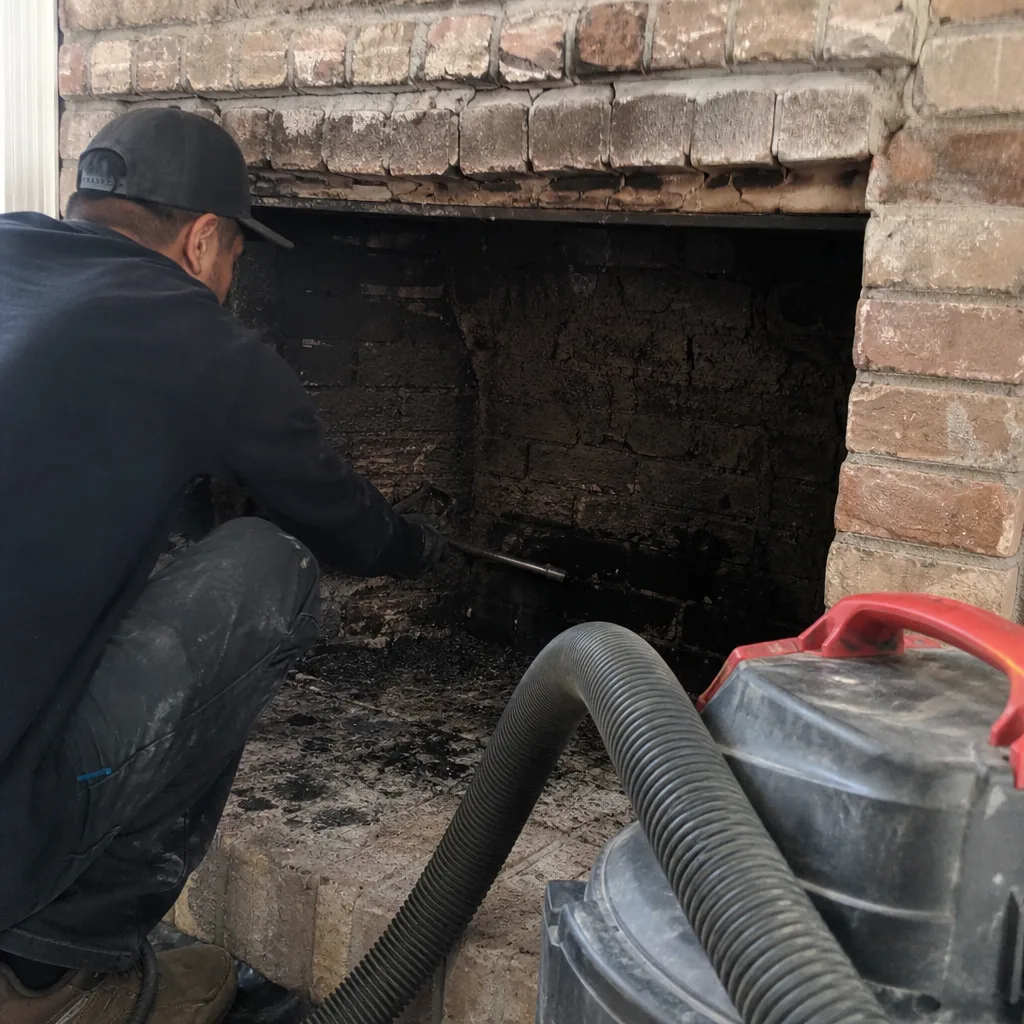 Before
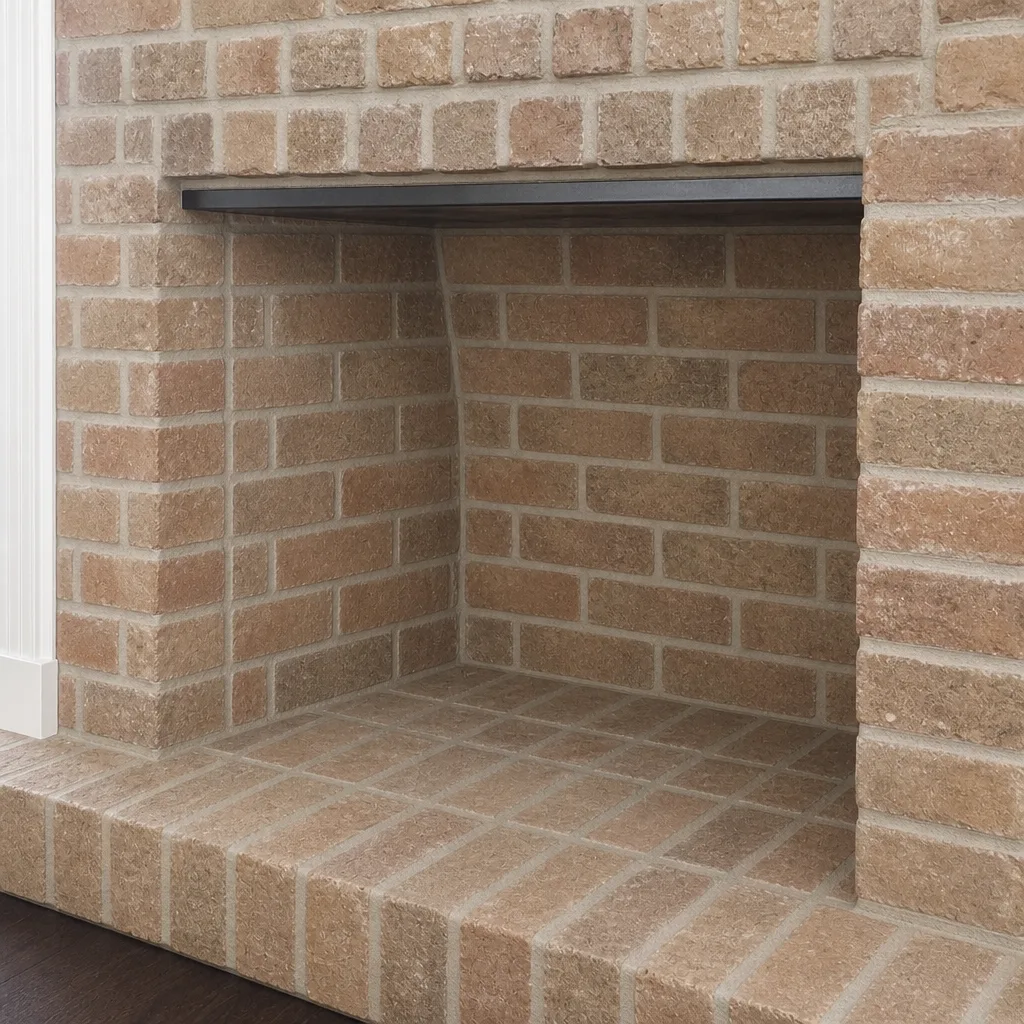 After
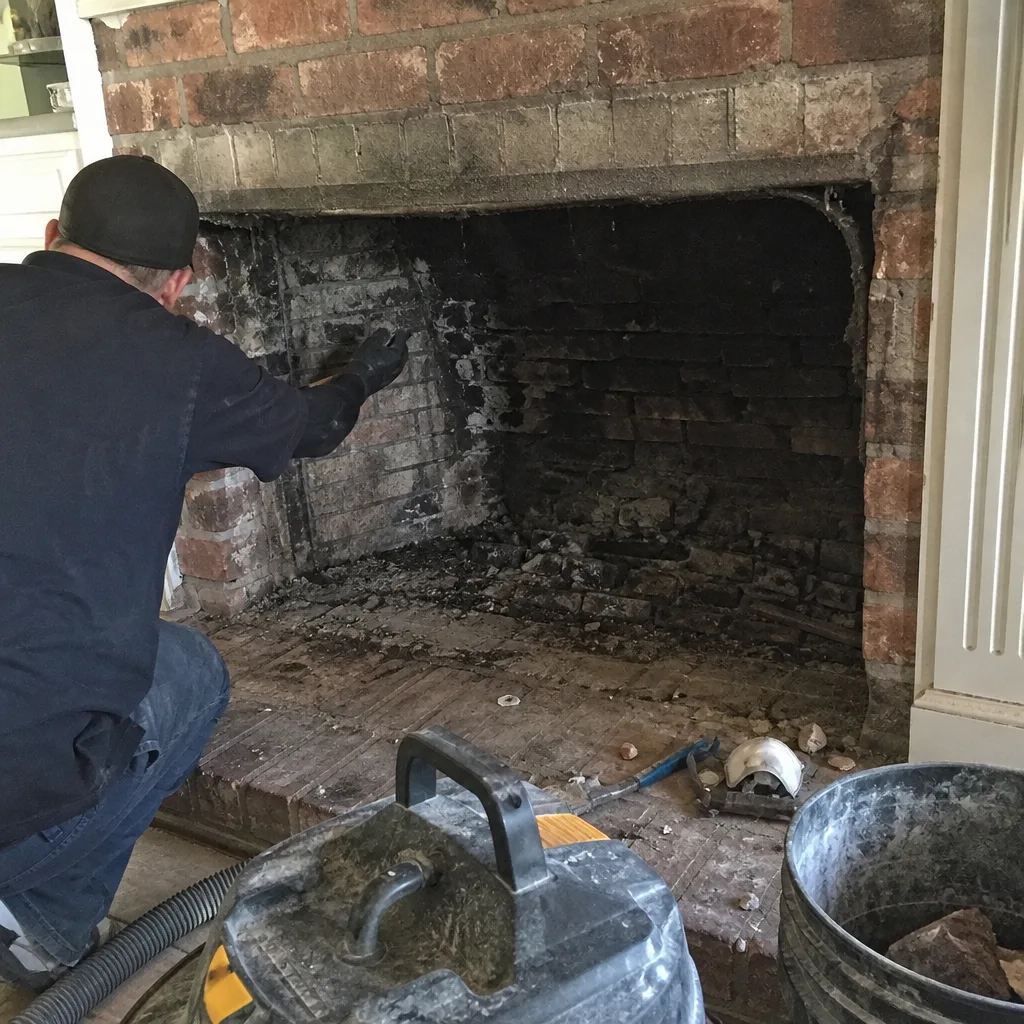 Before
 After
 Before
 After
When to Call a Professional
Some chimney work is a routine appointment, and some is an emergency. Call a professional right away if you’ve had any chimney fire event, even a small one, or if you smell smoke in the house when the fireplace isn’t lit. Call if your CO detector has alarmed, if you see cracked firebox panels or a warped damper, or if you notice staining on the chimney chase or the wall above the fireplace. Call if you can see gaps or cracks in the liner from the firebox, or if the chimney cap is missing or damaged and you have a gas appliance. And call for a routine sweep before the season starts, so the creosote doesn’t have a chance to build up in the first place. Reach Highpoint Chimney Sweep at (844) 320-3258. We answer 24/7. Fast dispatch from 7am to 7pm, Sunday through Friday. Estimates are free, and the written estimate sets the final price.
Frequently Asked Questions
You may not know, and that’s the problem. Loud chimney fires are obvious: a roaring or rumbling sound, a vibration in the floor, glowing through the seams of the chimney chase, or sparks from the top. Slow chimney fires can happen with no sound at all and leave signs a sweep finds later: cracked liner tiles, glazed creosote, discolored masonry. If you’ve ever smelled a strong, hot, tar-like smell near the fireplace after a burn, have the chimney inspected. Call (844) 320-3258 for an exact quote; estimates are free.
Get everyone out of the house, call 911, and don’t open the damper. Close the glass doors on the fireplace if it has them, don’t spray water into the firebox, and wait for the fire department to clear the house. Don’t relight the fireplace until a professional has inspected the chimney. Call us after the fire department has cleared the house to schedule a post-fire inspection.
Yes, every time, regardless of visible damage. A Level 2 inspection uses video scanning to see the interior of the flue, where the cracks and gaps that matter most aren’t visible from the firebox. A visual check from the ground can’t rule out a compromised liner. Call (844) 320-3258 for an exact quote; estimates are free.
Gas appliances produce CO continuously as a normal byproduct of combustion, and they can run for hours. A blocked or damaged vent sends that CO into the room with no odor and no visible smoke. Wood-burning fireplaces produce CO too, but the smoke is usually a warning sign that gas doesn’t give you. That’s why a CO detector in the same room as a gas fireplace matters so much in The Woodlands homes.
No, not until it’s been inspected. Even a small fire can crack a clay liner or damage a damper in ways you can’t see from the firebox. Using the fireplace again before an inspection can turn a contained event into a structural fire. Call (844) 320-3258 for an exact quote; estimates are free.
Photograph the exterior of the chimney from multiple angles, the firebox and damper up close, the room around the fireplace, and any water intrusion. Don’t clean the firebox, the flue, or the exterior chimney before your adjuster and your sweep have both seen the damage. Keep the fire department’s incident report number and get the post-fire inspection report in writing. Our chimney repair work is documented with photos and a written summary for exactly this reason.
The Bottom Line
A chimney fire or a carbon monoxide event gives you almost no time to think. The families who come through it safely are the ones who decided in advance to keep working CO detectors, to get the chimney swept before the season, and to call a professional at the first sign of trouble instead of the second. A clean chimney is the starting point, not the finish line. If you’ve had any fire event, install a CO detector if you don’t have one, document before you clean, and get a post-fire inspection in writing. Highpoint Chimney Sweep handles sweeping, inspection, and repair in one visit, with trade-grade materials including HeatShield and DuraFlex for liner work. Our technicians have up to 12 years of experience, and we name what we install. Call (844) 320-3258 for a free estimate. We answer 24/7. Fast dispatch from 7am to 7pm, Sunday through Friday.
Written by the team at Highpoint Chimney Sweep.