
Last updated November 15, 2026
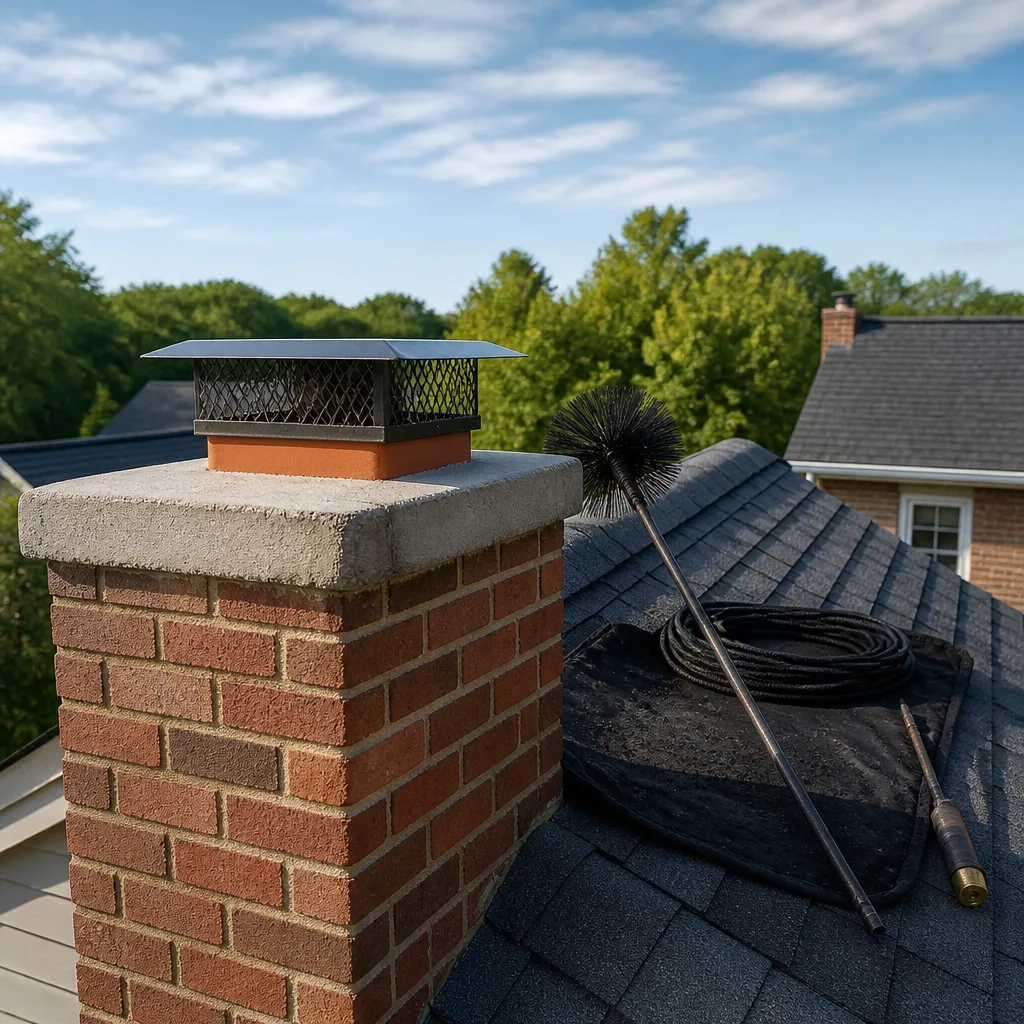 Sweep & inspection
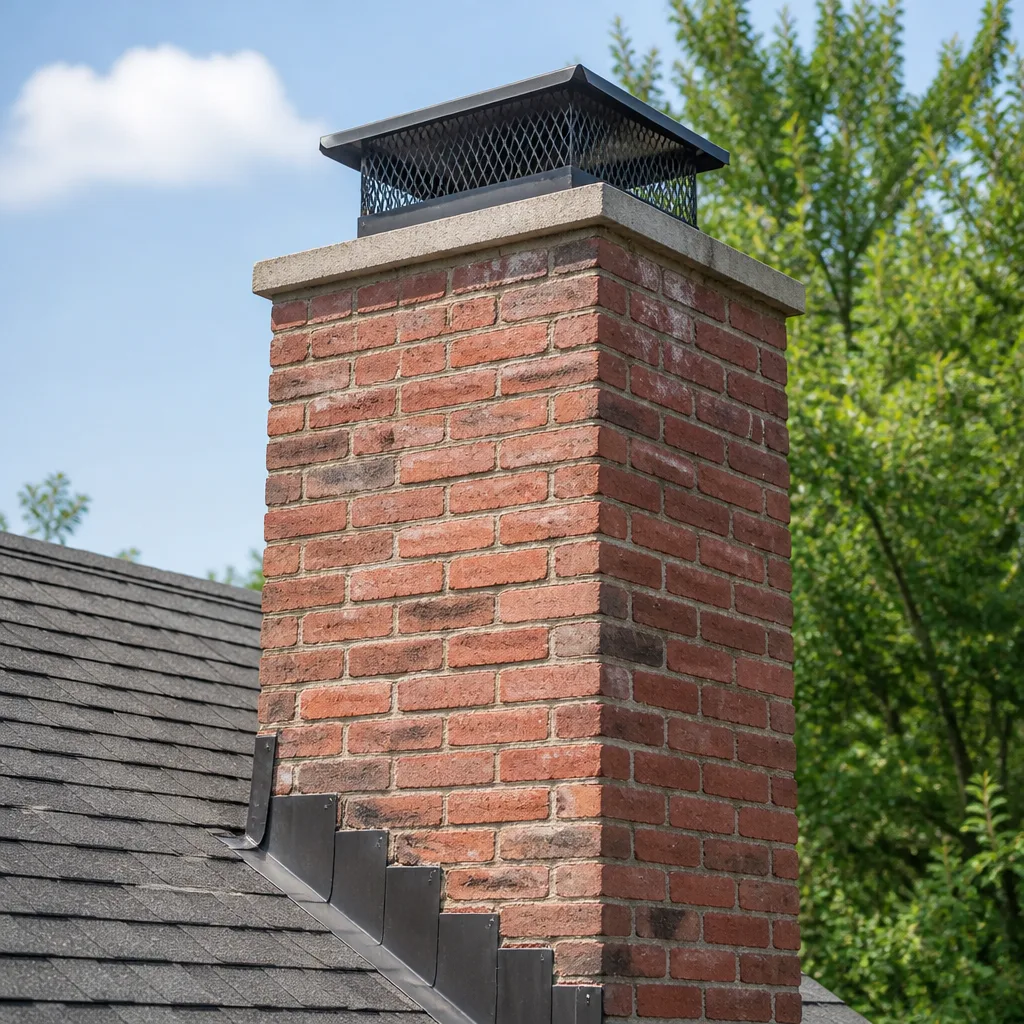 Caps & crowns
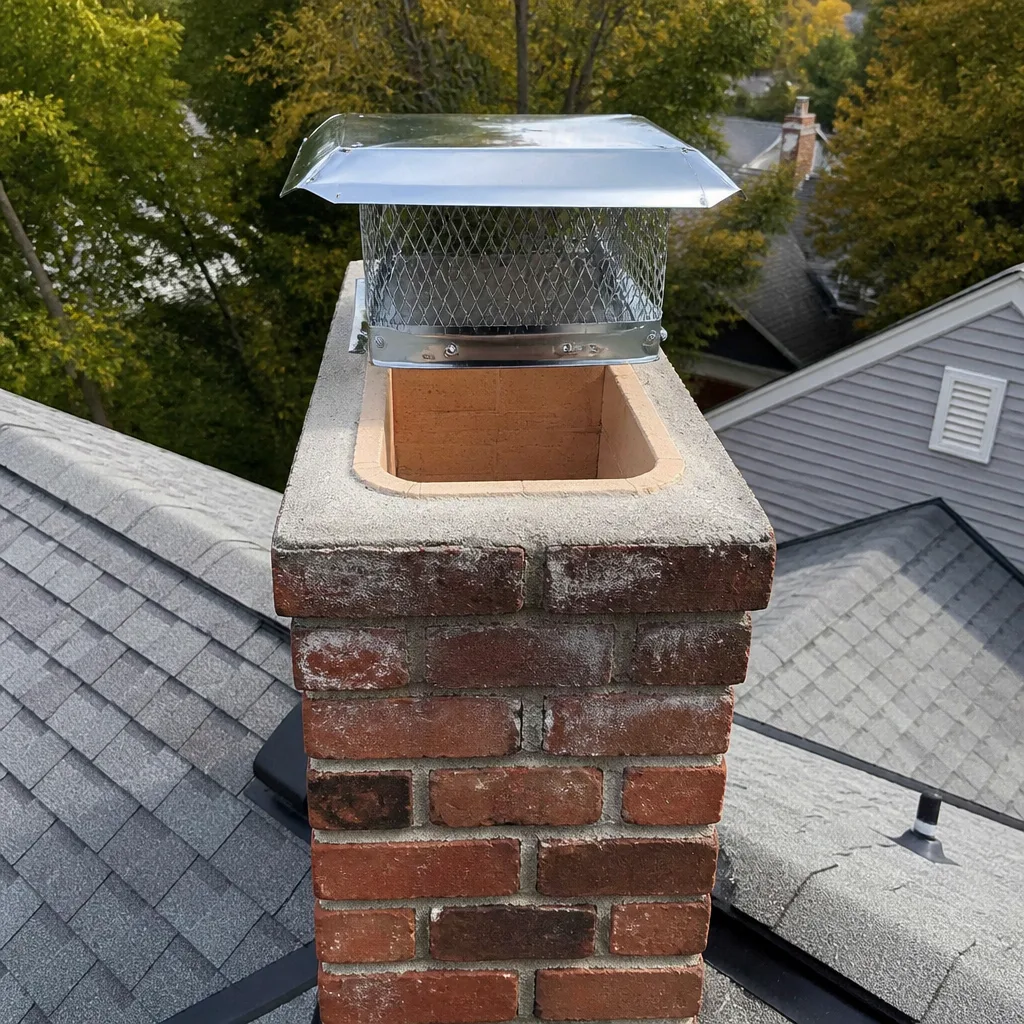 Flue relining
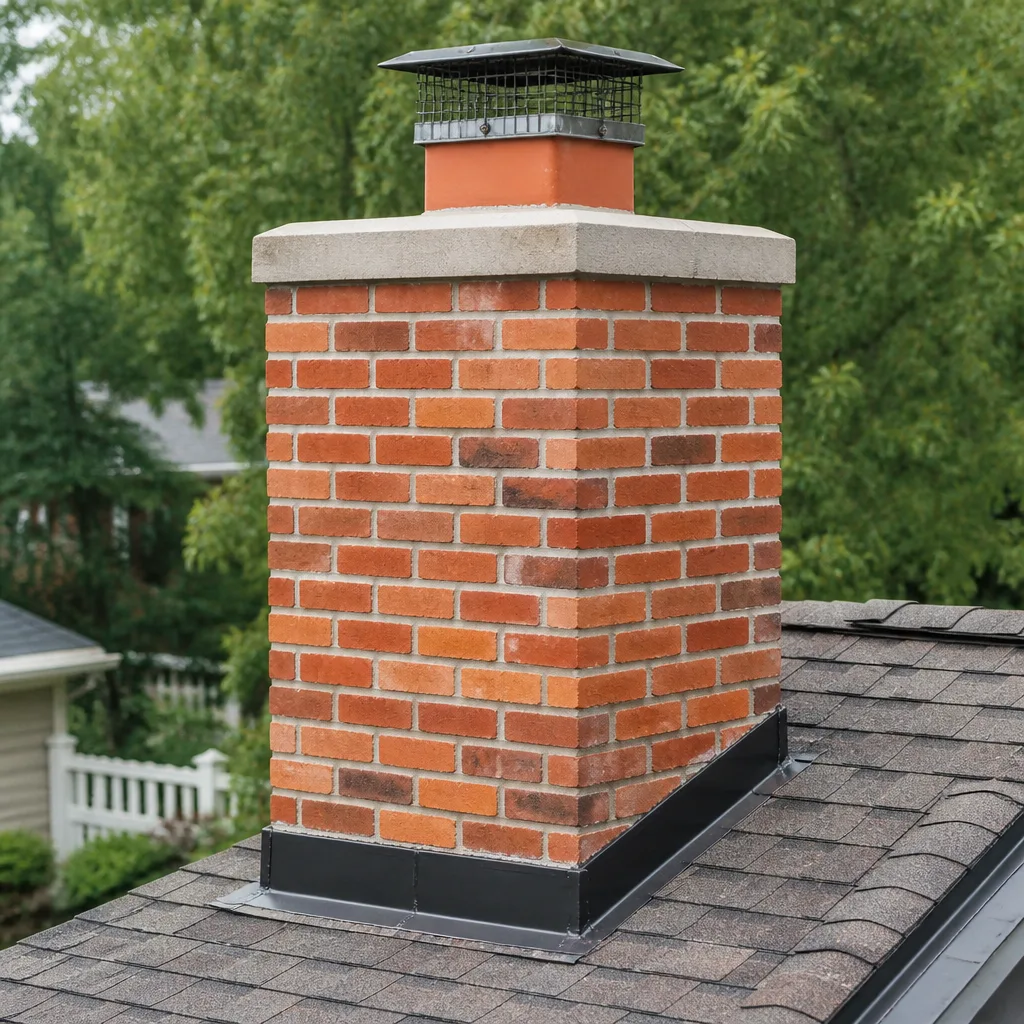 Masonry repair
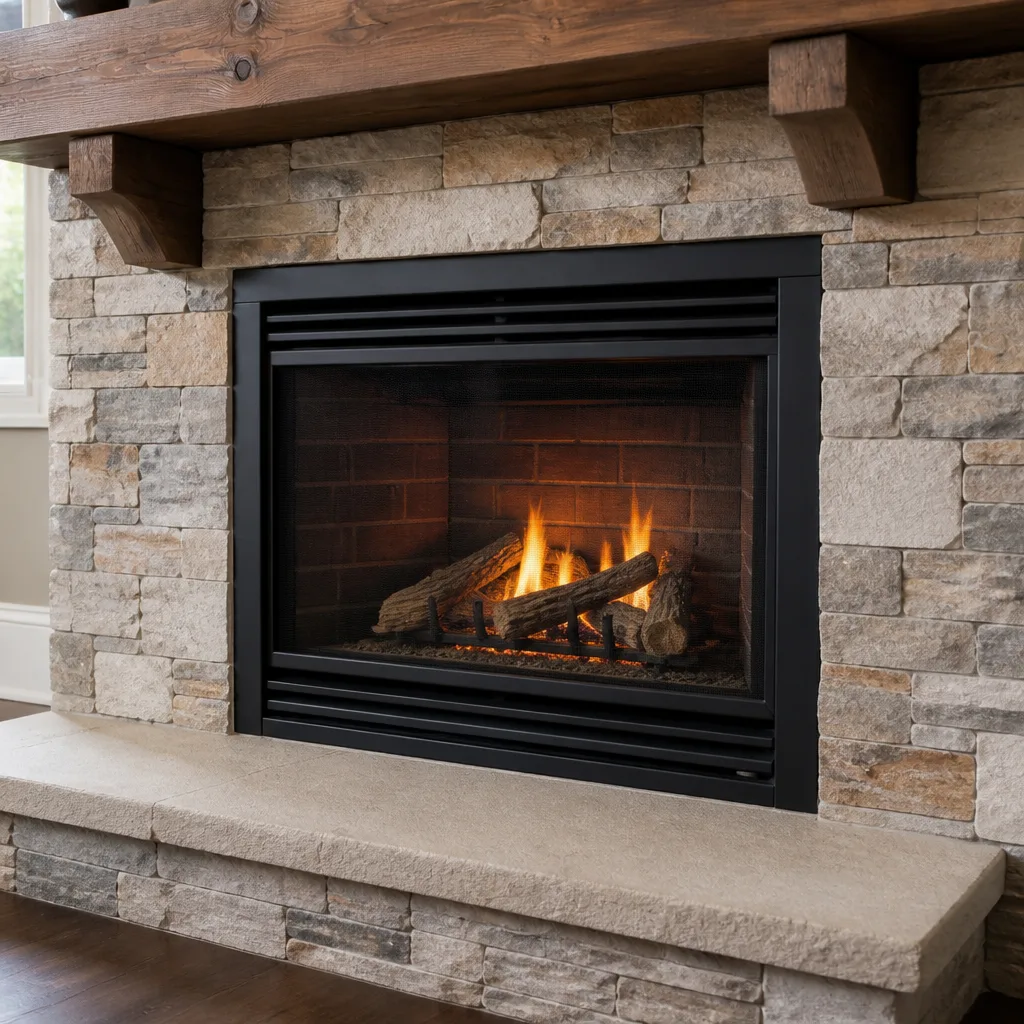 Gas fireplace service
Level 1 sweep and inspection to the NFPA 211 annual standard - flue, crown, cap, and flashing checked and photographed
Chimney sweep logs do not sweep chimneys. They loosen some creosote - which then falls where a brush and vacuum still have to collect it.
Chimney Cleaning Warning Signs: A The Woodlands Homeowner’s Reference Guide
A white staining pattern on the exterior brick isn’t cosmetic. It’s efflorescence, and it means water is actively moving through your masonry – the white powder is the mineral residue left behind as that moisture evaporates. Most homeowners see it and assume it’s age, or a paint problem, or just what brick does in humidity. It isn’t. And that same misread happens with smells, smoke spillback, crumbling mortar and rust-stained fireboxes all over The Woodlands. This guide connects each symptom to the specific cause behind it, so you know what you’re actually looking at before you call anyone.
Quick Answer
The most common chimney cleaning warning signs in The Woodlands are a strong smoky or creosote odor, white efflorescence staining on exterior brick, smoke spilling back into the room, crumbling mortar joints, rust inside the firebox or damper, flaking brick faces, weak draft, and visible creosote buildup on the flue walls. Odor, staining and rust are usually early warnings that allow a scheduled appointment. Smoke spillback, spalling brick and heavy creosote are reasons to stop using the fireplace now and have the chimney inspected before the next fire.
Styles & brands we work with
- Sweep & inspection
- Caps & crowns
- Flue relining
- Masonry repair
- Gas fireplace service
Table of Contents
- The Symptom-to-Cause Index: Eight Warning Signs and What Each Means
- Why The Woodlands Heat and Humidity Speed Up Certain Warning Signs
- Scheduled Appointment vs. Stop Using the Fireplace Now
- How to Photograph and Document Warning Signs Before a Sweep Arrives
- What a Cursory Cleaning Visit Misses Without a Camera Inspection
- Reading Creosote: The Three Stages and What Each One Tells You
- The Seasonal Rhythm of Chimney Care in The Woodlands
- When to Call a Professional
The Symptom-to-Cause Index: Eight Warning Signs and What Each Means
This is the section to bookmark. Each warning sign below has one or two likely causes, and knowing which one you’re seeing changes how urgent the call is. When we run a chimney sweep, we’re checking for all eight of these at once, but a homeowner can spot most of them first.
- Persistent smoky or creosote odor. A campfire smell that lingers in the room on mild, humid days points to creosote deposits on the flue walls or soot built up at the smoke shelf. In The Woodlands, that smell gets worse when the air is heavy and the fire hasn’t burned in weeks.
- White staining on exterior brick (efflorescence). Water is moving through the masonry and evaporating off the surface, leaving mineral salts behind. The stain is the symptom; the water path is the cause, and it’s usually a failed crown, cracked mortar or an unsealed flashing joint.
- Smoke spilling back into the room. A flue that’s partially blocked by creosote, a closed or rusted damper, or a chimney that’s too short for the house can all push smoke backward. This one is a stop-and-inspect sign, not a wait-and-see sign.
- Crumbling or sandy mortar joints. Mortar is the softest part of a masonry chimney and it fails first. When joints recede and leave a gritty residue on the roof or ground, the chimney is losing structural integrity.
- Rust on the firebox, damper or damper handle. Rust inside the firebox means moisture is getting in – through the crown, the flashing, or a missing chimney repair at the cap. Rust on a damper that won’t turn usually means water has been sitting in the assembly.
- Spalling brick (faces flaking or popping off). Brick absorbs water, and when that moisture expands on a hot day and contracts on a cool night, the face of the brick shears off. Spalling is a late-stage warning that the masonry is saturated.
- Weak or inconsistent draft. If the fire is sluggish, smokes when you open the glass doors, or won’t stay lit, the flue may be undersized, blocked or leaking air through a failed joint. Draft problems are often misread as “wind direction.”
- Visible creosote on the flue walls. Glossy, tar-like buildup or a thick, crusty layer means the flue needs cleaning before the next fire. Creosote is the fuel source for chimney fires, and it doesn’t clear itself.
If you see more than one of these at the same time, they tend to share a cause. Odor, staining and rust together almost always point to a water intrusion problem. Smoke spillback and weak draft together usually point to a blockage or a sizing issue.
Why The Woodlands Heat and Humidity Speed Up Certain Warning Signs
The Woodlands sits in a warm, humid climate, and that humidity changes the timeline on several warning signs. Masonry is porous. In a dry climate, brick and mortar dry out between rains and stay relatively stable. In The Woodlands, the air holds moisture for much of the year, so brick stays damp longer, mortar stays damp longer, and the drying cycle never fully completes before the next humid stretch arrives. That’s why efflorescence and spalling show up faster here than they would in a drier part of the country.
Here’s what the local climate accelerates, specifically:
- Efflorescence appears earlier. Water that would evaporate quickly in a dry climate lingers in the masonry here, so mineral staining shows up on brick that would look clean in a drier region.
- Mortar deterioration moves faster. Constant moisture cycling softens mortar joints, and once they start to recede, water gets in more easily. It becomes a loop.
- Rust forms inside fireboxes more readily. A small leak at the crown or flashing that would dry out in a dry climate stays wet here, and rust on the damper and firebox is often the first visible sign.
- Creosote odor lingers longer. On humid days, creosote deposits release that smoky smell more strongly, which is why The Woodlands homeowners often notice an odor in the shoulder months when the fireplace isn’t in use.
- Animal activity is more common year-round. Mild winters mean birds and small mammals are less discouraged from nesting in an open flue. A missing or damaged cap is a common reason a chimney starts to smell like an animal rather than smoke – and a Famco or Copperfield cap is the standard fix.
None of this means The Woodlands chimneys are in worse shape than anywhere else. It means the local climate makes certain warnings show up on a shorter clock, so a symptom that feels minor in March can be a real masonry problem by fall.
Scheduled Appointment vs. Stop Using the Fireplace Now
Not every warning sign is an emergency, and treating them all as urgent does two things: it creates panic, and it makes it harder to tell which problems actually need immediate attention. The useful split is between signs that can wait for a scheduled appointment and signs that mean stop burning now.
Signs that allow a scheduled appointment
- White efflorescence staining on exterior brick, with no spalling yet
- A smoky odor that appears on humid days or after a fire has cooled
- Mild rust on a damper handle or firebox, if the damper still operates
- Crumbling mortar on the exterior, if the chimney is otherwise stable
- Light creosote visible through the damper, with no heavy tar
- A draft that’s a little sluggish but still draws smoke up the flue
Signs that mean stop using the fireplace now
- Smoke spilling back into the room when the fire is burning
- Spalling brick (faces flaking or popping off the masonry)
- Heavy, glossy or tar-like creosote visible in the flue
- Rust or water staining on the damper, with the damper stuck open or closed
- Any visible crack in the flue tile or the firebox
- A strong chemical or acrid smell, or a smell of gas from a gas insert
The difference matters because a chimney fire needs fuel and air. Heavy creosote is the fuel, and a damaged flue is the path. If you see either one, book a Highpoint Chimney Sweep inspection before you light another fire. We answer 24/7 and can schedule fast dispatch from 7am to 7pm, Sunday through Friday, so a warning sign that appears on a Sunday doesn’t have to wait all week.
How to Photograph and Document Warning Signs Before a Sweep Arrives
A photograph taken before the sweep arrives is worth more than a description given afterward. An inspection that starts with clear, dated photos of what you saw can focus on verifying a specific problem instead of starting from zero. Here’s how to document warning signs so the inspection is useful from the first minute.
- Photograph the exterior in daylight, from several angles. Stand back far enough to capture the full chimney and the roofline. Take one straight-on shot and one from each side. Note the date.
- Get a close shot of any staining. Efflorescence, rust streaks and water marks photograph best in flat, indirect light. Include a wider shot that shows where the stain sits relative to the roofline.
- Photograph the firebox interior after the fire is completely cold. Use a flashlight at an angle to catch texture – rust, cracked masonry, creosote on the damper. Don’t reach in with a phone; just aim from outside the firebox.
- Look up the flue with a flashlight and photograph what you can see through the damper. Creosote buildup often shows as a dark, textured layer on the flue walls. If you can see the flue tile joints, capture them too.
- Record a short video of the draft. With the fire cold, hold a lit incense stick or a piece of tissue near the open damper and watch which way the smoke drifts. A video of the drift is a useful draft check, and it takes ten seconds.
- Write down what you smell and when. Note whether the odor appears after rain, on humid days, after a fire, or in the morning after a cold front. The pattern is often more diagnostic than the smell itself.
- Photograph any animal activity. Nesting material, droppings or a damaged cap all photograph well and tell the technician a lot about what’s been happening at the top of the flue.
Bring the photos to the appointment or share them ahead of time. A sweep who arrives with this context can skip the guesswork and spend the visit on what matters – the full flue, the crown, the flashing and the damper. A camera inspection at the flue top and along the full length then confirms what the photos suggested.
What a Cursory Cleaning Visit Misses Without a Camera Inspection
A cleaning visit that only sweeps what can be reached from the firebox and the roof can look complete and still miss the problems that actually matter. Without a camera inspection of the full flue, several warning signs stay invisible until they turn into a larger repair.
- Cracked or separated flue tiles. A camera run down the flue shows the tile joints from the inside. Cracked tiles are the path for heat and carbon monoxide to reach the framing, and they don’t show up from a standard sweep.
- Creosote behind a ledge or offset. Chimneys with an offset or a smoke shelf can hide creosote deposits that a brush passes over. The camera shows where the brush didn’t reach.
- Water tracks and moisture staining inside the flue. Interior moisture marks point to a leak at the crown or the flashing even when the exterior looks clean.
- Animal nests and blockages above the damper. A nest or a fallen piece of masonry can sit above the damper where the sweep can’t see it.
- The crown and flashing. These fail silently. A camera plus a physical check at the top of the chimney catches the early signs before they turn into the efflorescence or rust you’ve already spotted down below.
Highpoint Chimney Sweep pairs cleaning with inspection in a single visit, so a warning sign you photograph in the firebox gets checked against the full flue in the same appointment. We use HeatShield ceramic resurfacing for liner restoration and DuraFlex stainless liner systems for full relining, so if the camera inspection turns up a problem, the repair is handled by the same team rather than referred out.
Reading Creosote: The Three Stages and What Each One Tells You
Not all creosote looks the same, and the stage matters. There’s a reason the warning sign “visible creosote” shows up on a lot of inspection checklists – it covers three very different conditions, and only one of them is a minor cleanup.
- Stage 1: sooty, flaky buildup. Light, dusty creosote that brushes off easily. This is the normal deposit after a season of use and it’s what a routine sweep clears. If this is all you see through the damper, a scheduled cleaning is the right call.
- Stage 2: crunchy, crusty deposits. A harder, more tar-like layer that clings to the flue tiles. This stage is common when wood burns cool or wet, or when the chimney hasn’t been swept in a couple of seasons. It still comes off with a proper sweep, but it’s a sign the burn habits or the draft need attention.
- Stage 3: glossy, tar-like glaze. This is the stage that fuels a chimney fire. Glazed creosote hardens on the flue walls and doesn’t clear with a standard brush. It needs a specialty sweep technique, and in some cases the flue is compromised enough that a HeatShield restoration or a DuraFlex liner becomes the right answer.
The stage matters for timing. Stage 1 and Stage 2 can be scheduled. Stage 3 is a stop-burning sign. If you’re unsure which one you’re looking at, the flash-test angle matters most: shine a light through the damper and look for a glossy or tar-like surface rather than soot.
Symptoms that point to the burn habit, not the chimney
A chimney is a system, and creosote buildup is often a symptom of how fuel is burned rather than a chimney that needs a different sweep. If the deposits are heavy on every inspection, the reason is usually one of these:
- Wood that’s wet or green, which burns smoky and deposits more
- Dampers closed too far during a fire, which starves the fire of air
- Fires that are banked overnight and burn slowly and smoky
- A flue that’s the wrong size for the fireplace opening
A sweep can’t fix burn habits, but it can flag them. If the deposits are consistently heavy, the inspection will usually say why.
The Seasonal Rhythm of Chimney Care in The Woodlands
Chimney care in The Woodlands has a rhythm that’s different from the northern part of the country. Because winters are mild, the chimney may sit unused for long stretches, and the humidity does its work in the off-season. The result is that many of the warning signs show up in the shoulder months – spring and early fall – rather than in the middle of winter.
The working pattern we see in The Woodlands looks like this:
- Late spring. Last fire of the season. The best time to schedule a sweep is right after the burning season ends, while the deposits are stable and the humidity hasn’t had weeks to work on them.
- Summer. The off-season. Humidity stresses the masonry and moisture finds any weak spot at the crown or the flashing. Efflorescence and rust often appear during this stretch.
- Early fall. Before burning season. A sweep and inspection now catches anything that developed over the summer and gets the chimney ready for the first fire.
- Winter. Burning season. Warning signs that show up now – smoke spillback, creosote smell, a damper that won’t work – usually mean a repair before the next fire.
The practical takeaway: schedule the cleaning and the inspection before the burning season begins, and use the shoulder months to catch warning signs when the chimney isn’t in use. A sweep booked in The Woodlands during the fall rush is often a sweep that gets scheduled later than ideal, which is why the spring appointment is the calmer option. If you live in a neighborhood like Sterling Ridge or Alden Bridge, where mature trees sit close to the roofline, the early fall check is also a good time to look at the cap and flashing – leaves and debris collect there, and a cap that’s worked loose lets water in at the top of the flue.
When to Call a Professional
Some warning signs are diagnostic puzzles. Others are reasons to pick up the phone. Call a professional when you see smoke spilling back into the room, spalling brick, glossy or tar-like creosote, a cracked flue tile, or water inside the firebox – those are stop-burning conditions, not wait-and-see conditions. Call when the odor is strong enough to be noticeable in the room, when the efflorescence has spread since last year, or when a camera inspection has never been done and the chimney is more than a couple of seasons past its last sweep. And call when the warning sign is unclear, because the cost of a camera inspection is far less than the cost of discovering a cracked flue after the fact.
Highpoint Chimney Sweep provides cleaning, chimney repair and inspection as a single visit, so a warning sign you photograph on a Sunday gets checked, cleaned and repaired by the same team. Our technicians have up to 12 years of experience. We work with DuraFlex and HeatShield for liner work and with Famco caps for weatherproofing, and we’ve seen most of the warning signs in this guide from the inside of the flue many times. Free estimates in The Woodlands – call (844) 320-3258. We answer 24/7. Fast dispatch from 7am to 7pm, Sunday through Friday.
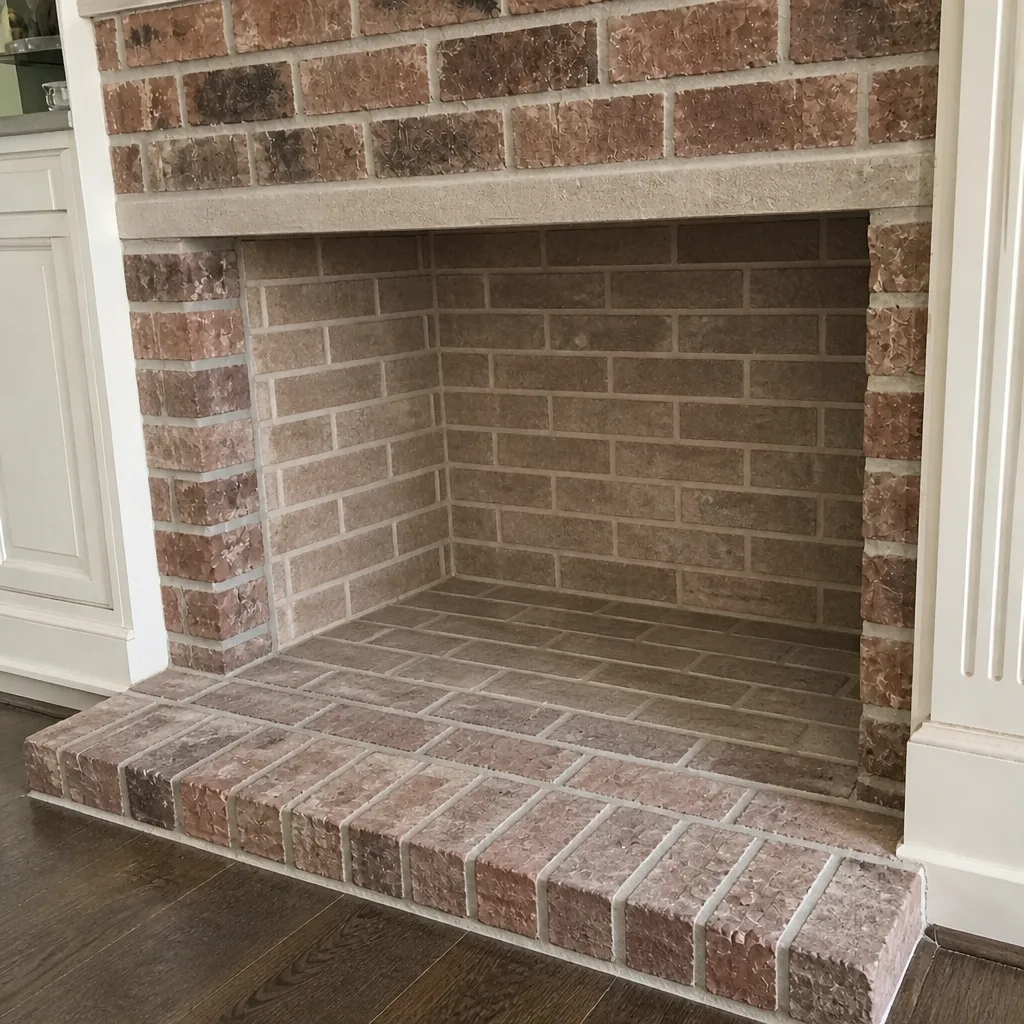
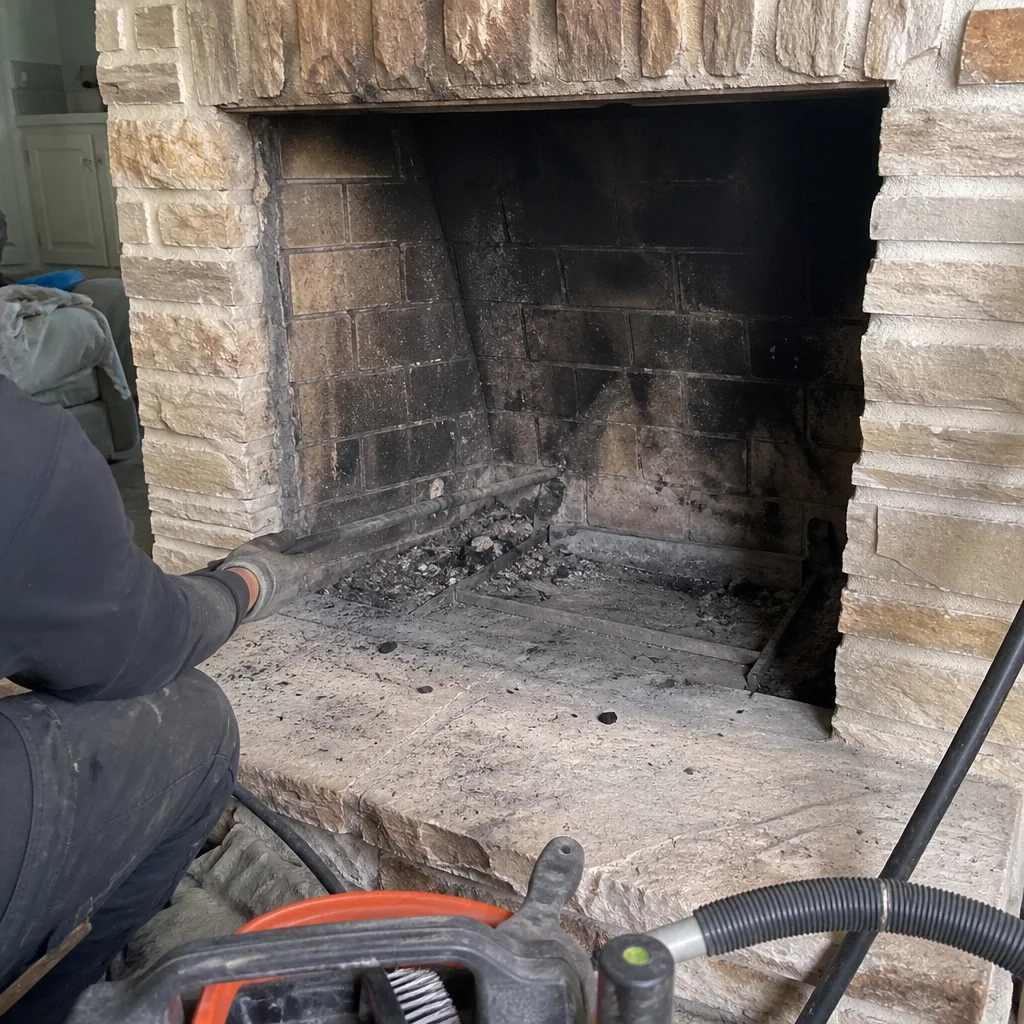
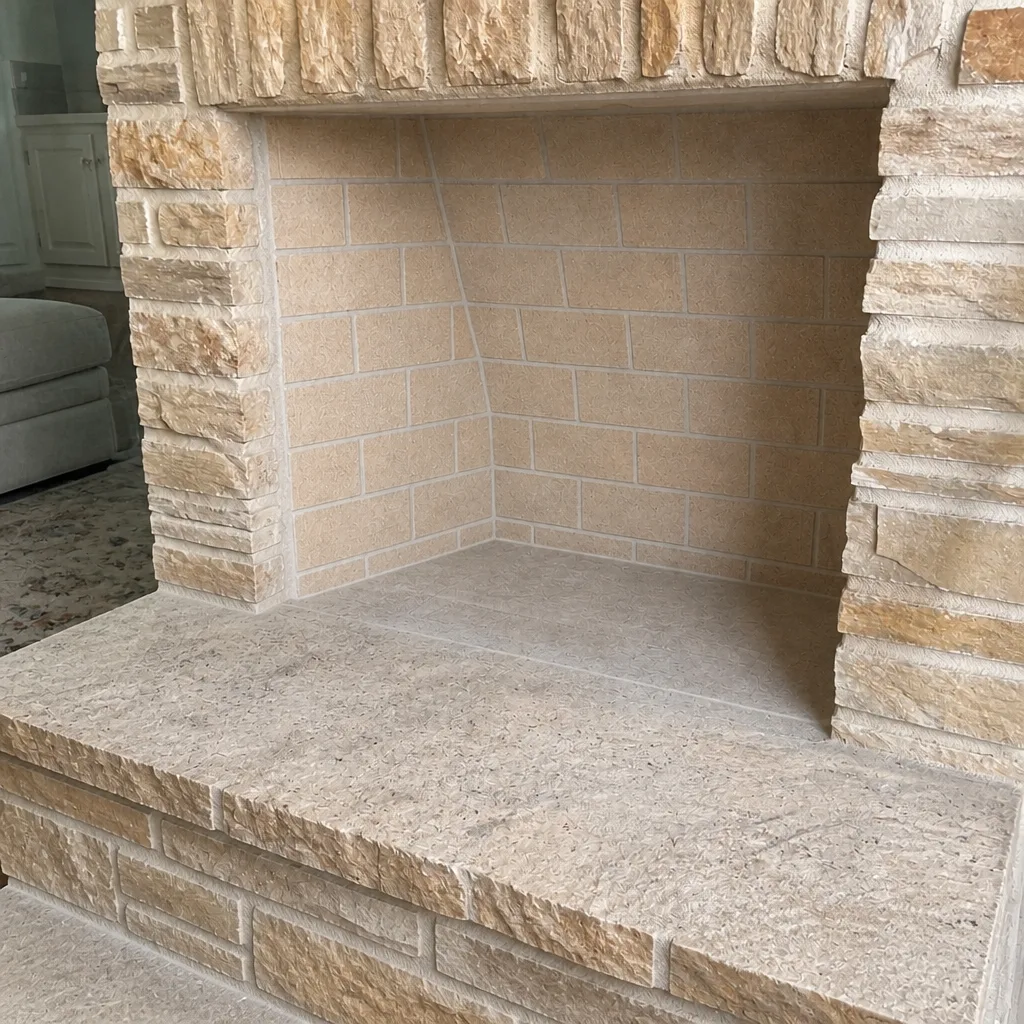
See the difference
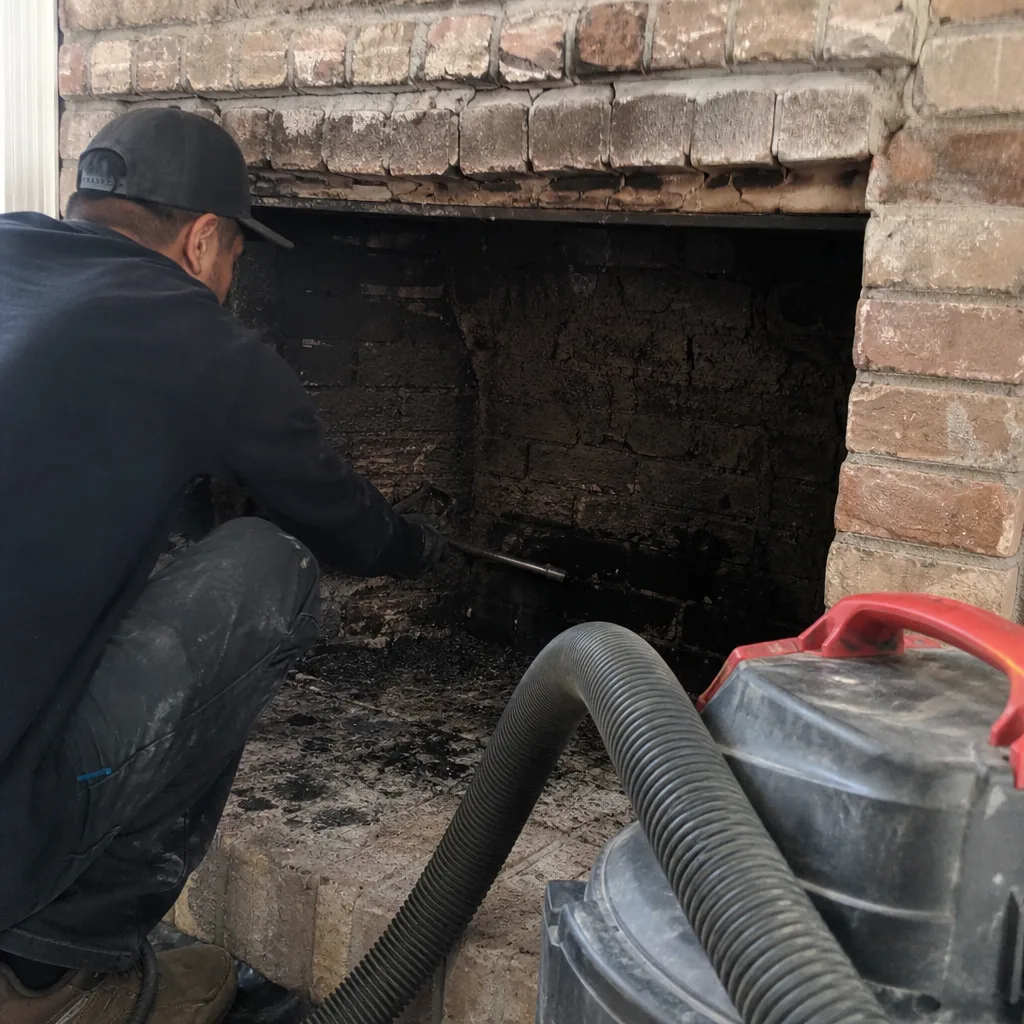 Before
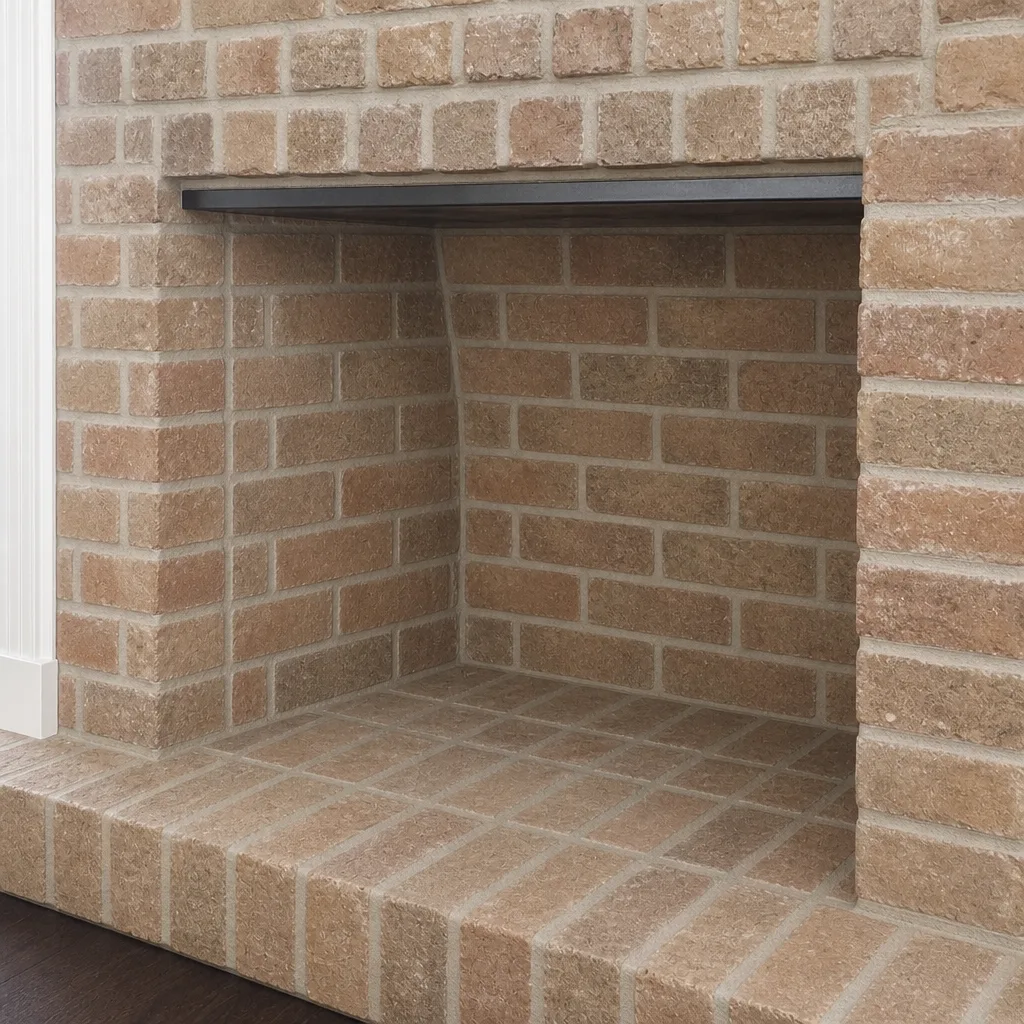 After
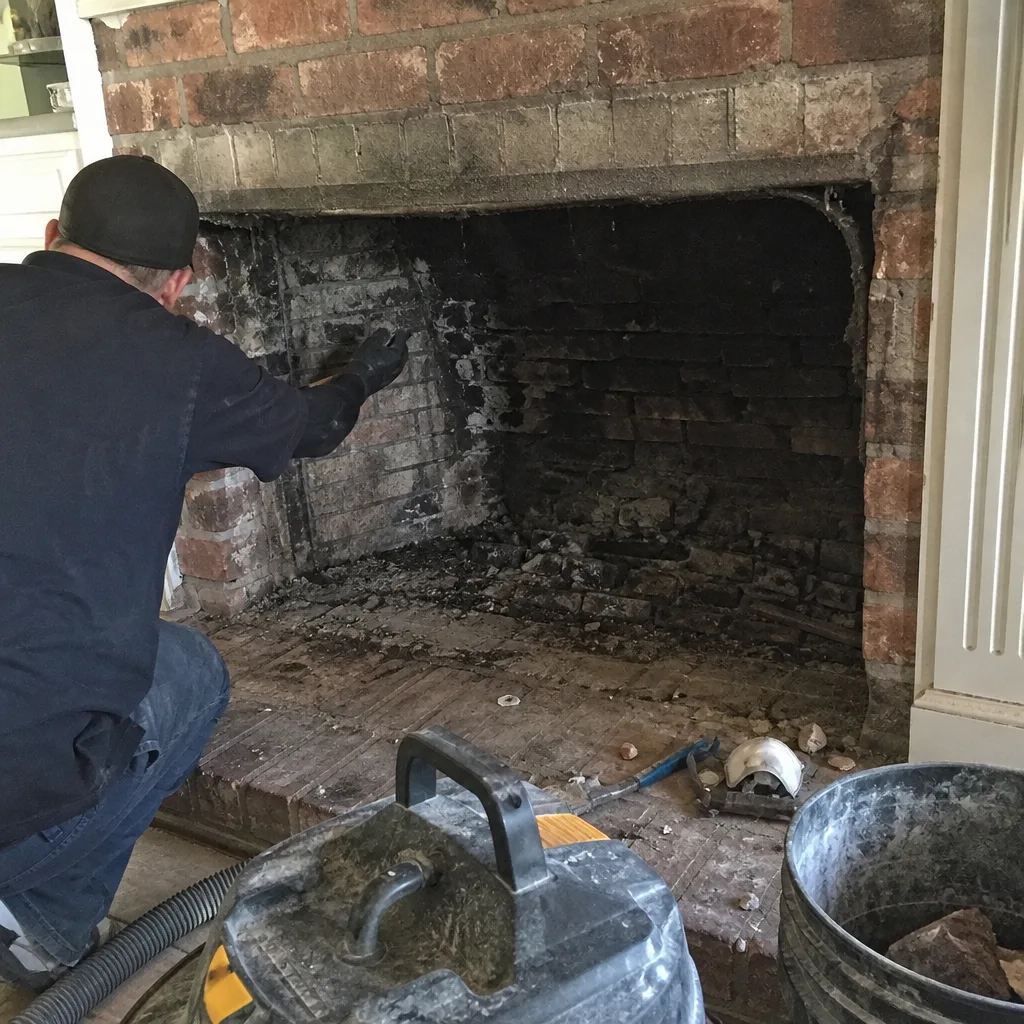 Before
 After
 Before
 After
Common Mistakes to Avoid
- Assuming white staining is cosmetic. Efflorescence is evidence of water moving through the masonry. Painting over it traps the moisture and accelerates the damage; the fix is finding the water path, not covering the stain.
- Blaming a smoky fire on the wind. Draft problems get blamed on wind direction far more often than they’re caused by it. In The Woodlands, a smoky fire is usually a blocked or undersized flue, not the weather.
- Ignoring a creosote smell because the fireplace isn’t in use. The smell is a warning sign, and humidity amplifies it. By the time the smell is strong enough to notice, the deposits are usually a season’s worth.
- Booking a sweep without a camera inspection. A cleaning that doesn’t include the full flue can leave cracked tile, animal nests and hidden creosote unaddressed. In a house with mature trees close to the roofline, a The Woodlands home often has animal activity that a firebox-only sweep never sees.
- Waiting until the first cold snap to book. That’s the busiest week of the year, and it’s the worst time to discover a warning sign that should have had a scheduled appointment months earlier.
- Skipping the exterior. The crown and flashing are where most water problems begin, and they’re the least-inspected parts of the chimney. A sweep that only looks up the flue misses the start of the efflorescence loop.
- Treating rust as a cleaning problem. Rust inside the firebox is a moisture problem. A sweep will clear the soot, but a rusted damper usually means a repair, not a cleaning.
Frequently Asked Questions
The most common warning signs are a smoky odor on humid days, white efflorescence staining on exterior brick, rust on the firebox or damper, crumbling mortar joints, and creosote visible through the damper. The Woodlands’ humidity makes the staining and rust signs appear faster than in drier climates, so the same chimney can show more exterior wear here. If you see any of these, a camera inspection of the full flue combined with a cleaning visit is the right next step. Call (844) 320-3258 for a free estimate.
White staining (efflorescence) is not dangerous by itself, but it means water is moving through the masonry, and that water will cause structural damage over time if the path isn’t found. The stain is the mineral residue evaporating off the brick, so it’s a symptom of a moisture problem rather than a cosmetic blemish. The fix is to trace the water path – usually the crown, the flashing or the mortar joints – before the moisture turns into spalling brick. Call (844) 320-3258 to book an inspection.
Yes. Smoke spilling back into the room means the flue is blocked, undersized or pulling air through a failed joint, and that same path can carry carbon monoxide into the room. It’s a clearly unsafe condition, not a minor inconvenience, and it warrants a camera inspection before the next fire. A sweep and inspection will tell you whether it’s a creosote blockage, a stuck damper, or something that needs a repair. Call (844) 320-3258 for an exact quote – estimates are free.
The Woodlands’ warm, humid climate keeps brick and mortar damp for long stretches, so the drying cycle between rains is shorter than in a drier region. That accelerates efflorescence, mortar deterioration, spalling and rust inside the firebox – all signs of water intrusion. Mild winters also mean animals are less discouraged from nesting in an open flue, so a missing cap becomes a more common problem here. If you see staining, rust or a smell, call (844) 320-3258.
Warning signs that can wait for a scheduled appointment are odor, efflorescence, mild rust, crumbling exterior mortar and light creosote. Warning signs that mean stop burning now are smoke spillback, spalling brick, glossy or tar-like creosote, a stuck damper, and any visible crack in the flue tile or firebox. The rule is simple: if it changes how the chimney behaves during a fire, stop; if it changes how the chimney looks, schedule. Call (844) 320-3258 for a free estimate.
Plan a sweep and a camera inspection before each burning season, or after roughly a cord of wood if you burn more than that. The Woodlands’ humidity and mild winters mean the off-season is when moisture damage develops, so the early fall inspection catches what the summer did. A camera inspection of the full flue catches cracked tile and hidden creosote that a firebox-only sweep misses. Call (844) 320-3258 – estimates are free.
The Bottom Line
Chimney warning signs show up early, and they show up more clearly in The Woodlands than in drier climates. The symptoms are the easy part – what takes real knowledge is knowing which cause each symptom points to, and which signs mean stop the fire versus schedule the call. Start with the symptom-to-cause index, photograph what you see, and get a camera inspection of the full flue that pairs cleaning with the check. A clean chimney is the starting point, not the finish line. If the inspection finds a repair, Highpoint Chimney Sweep handles it in the same visit with trade-grade materials rather than hardware-store substitutes.
Highpoint Chimney Sweep provides chimney sweep, chimney repair and chimney inspection across The Woodlands, and we work with DuraFlex, HeatShield, Famco and Copperfield because those are the same brands professional contractors rely on. Our technicians have up to 12 years of experience, and we’ve seen most of what this guide describes from the inside of the flue. Call (844) 320-3258 for a free estimate. We answer 24/7. Fast dispatch from 7am to 7pm, Sunday through Friday, and we’re closed on Saturday. We find the problem and fix it, so you don’t need a second company.
Written by the team at Highpoint Chimney Sweep.