
Last updated November 15, 2026
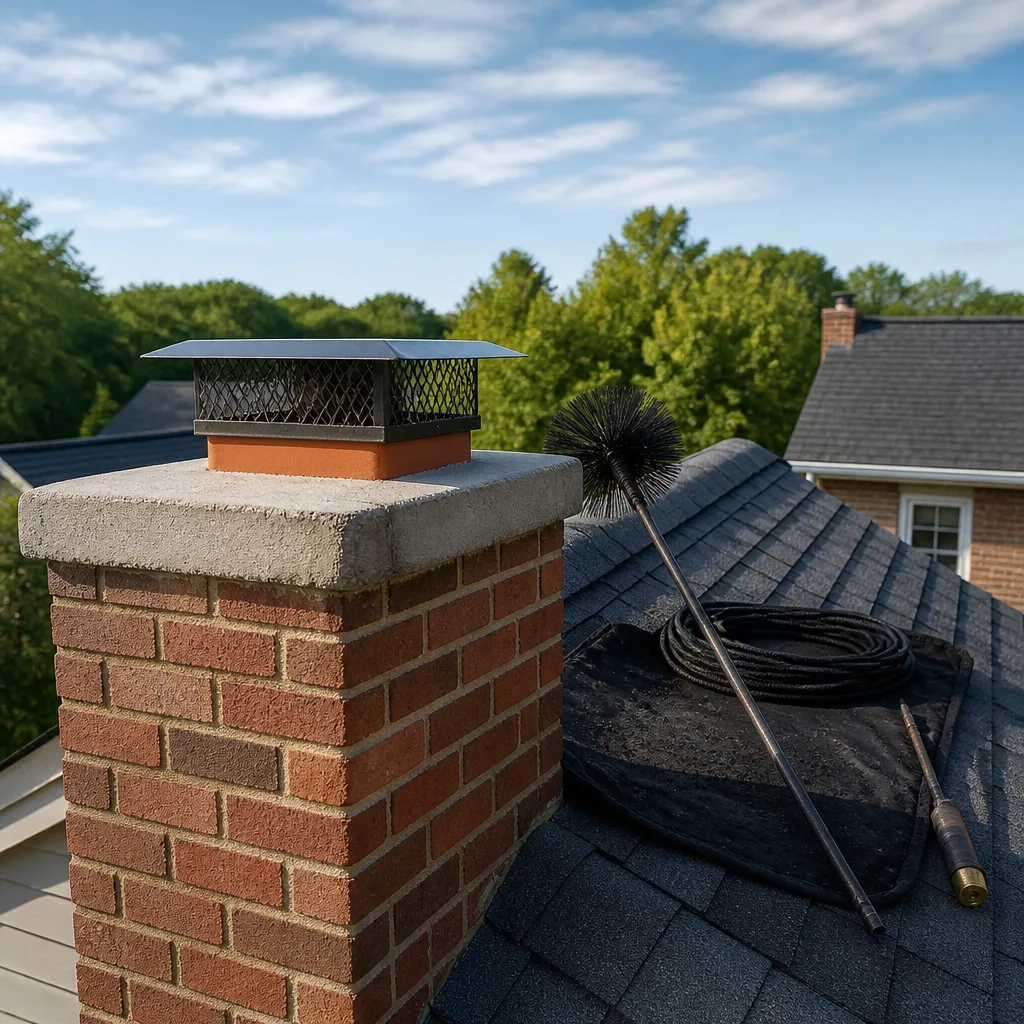 Sweep & inspection
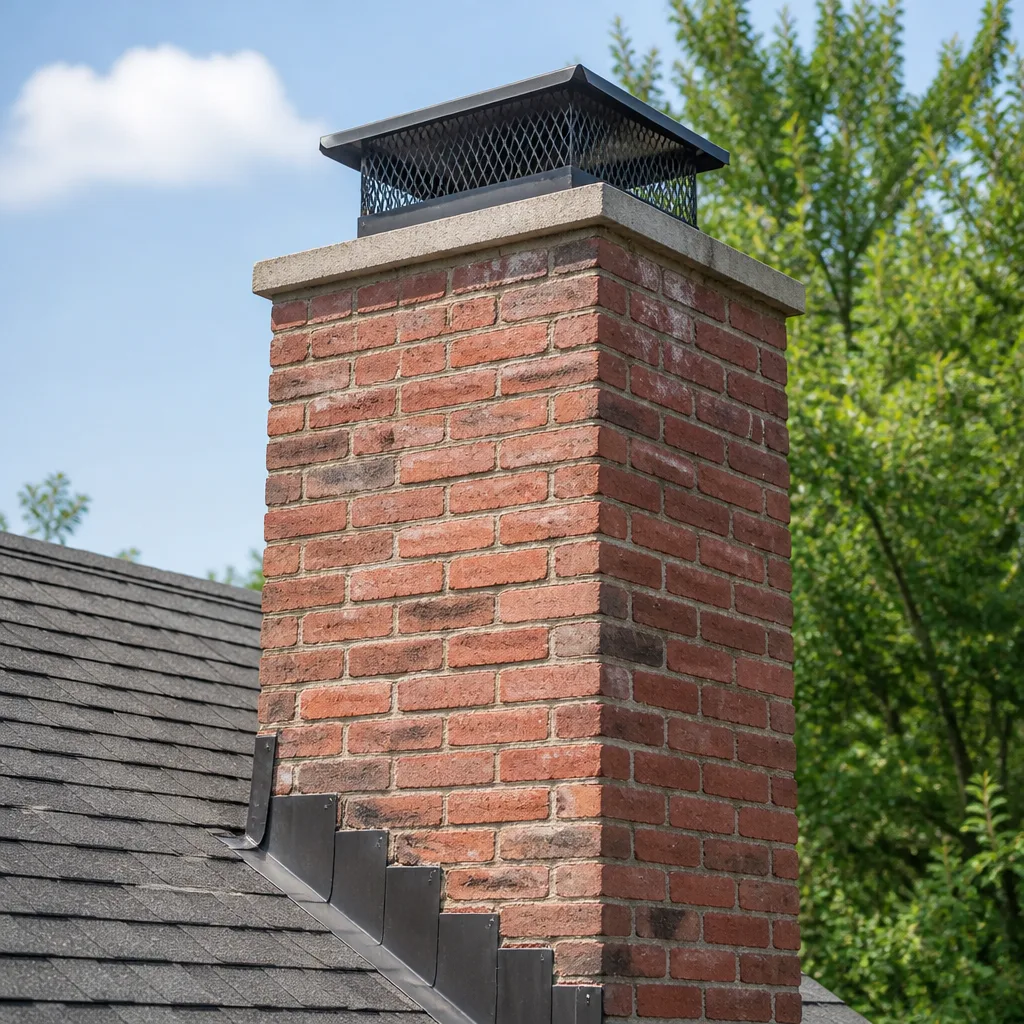 Caps & crowns
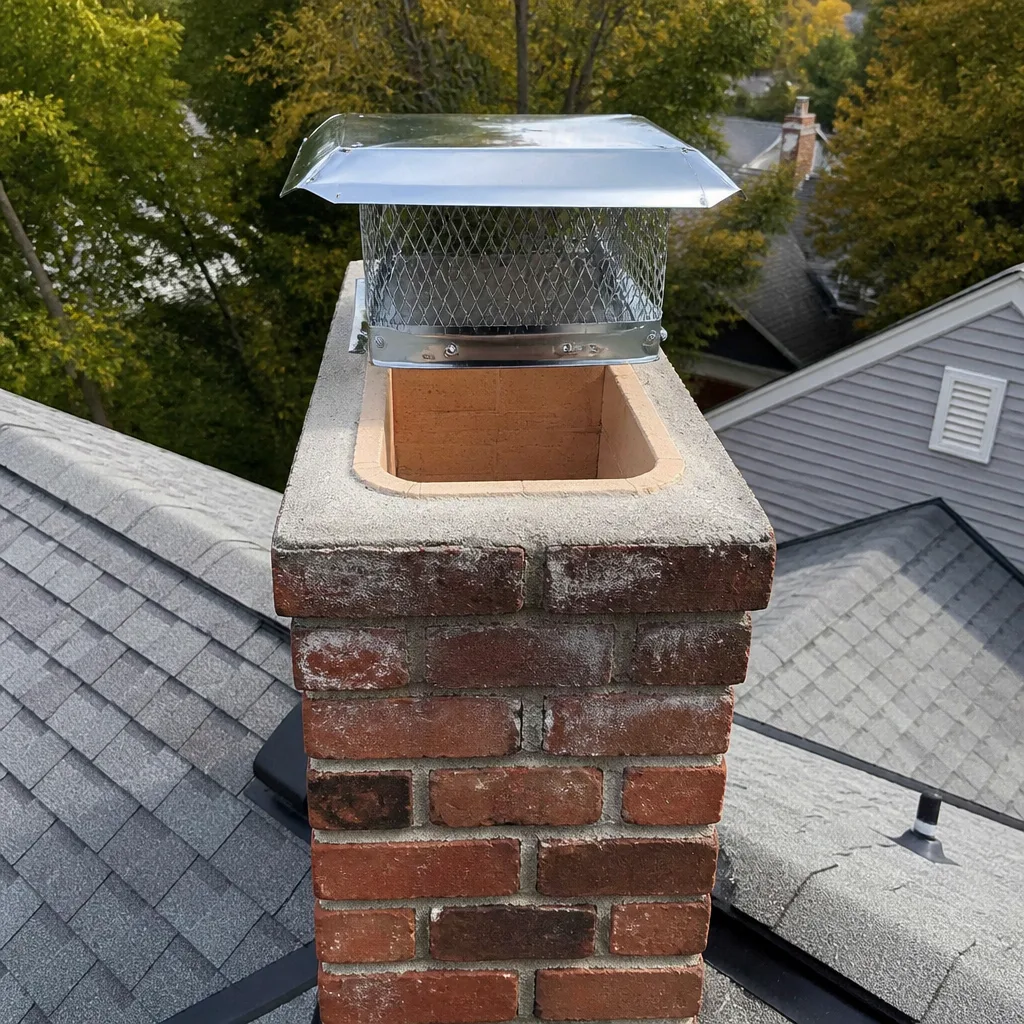 Flue relining
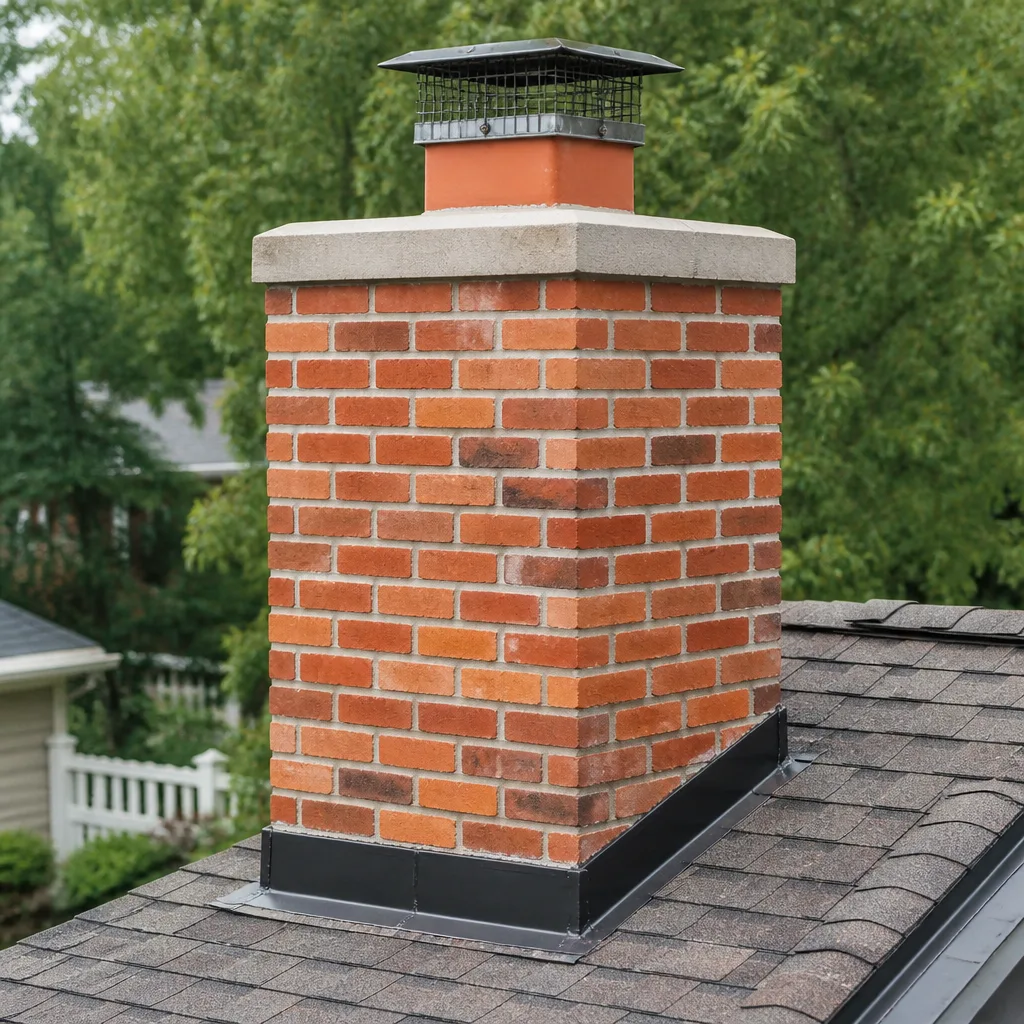 Masonry repair
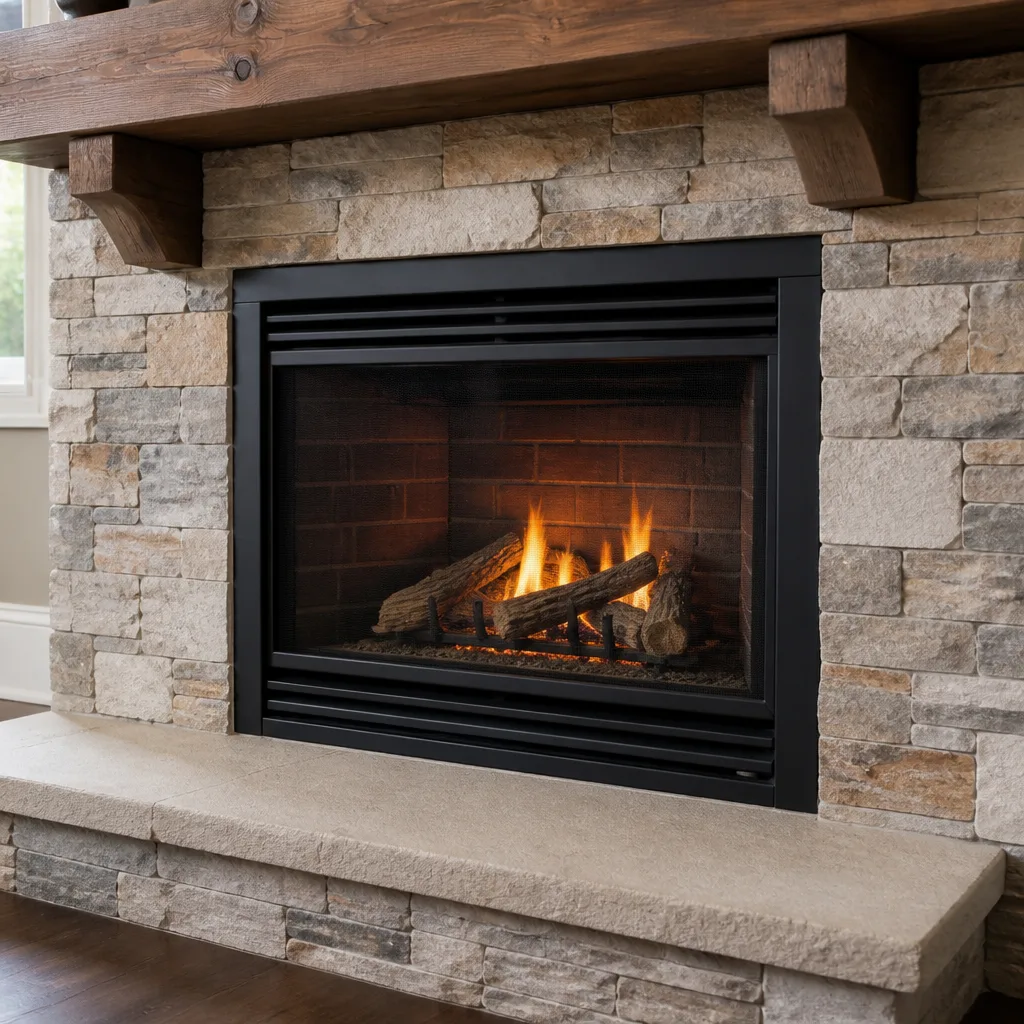 Gas fireplace service
Level 1 sweep and inspection to the NFPA 211 annual standard - flue, crown, cap, and flashing checked and photographed
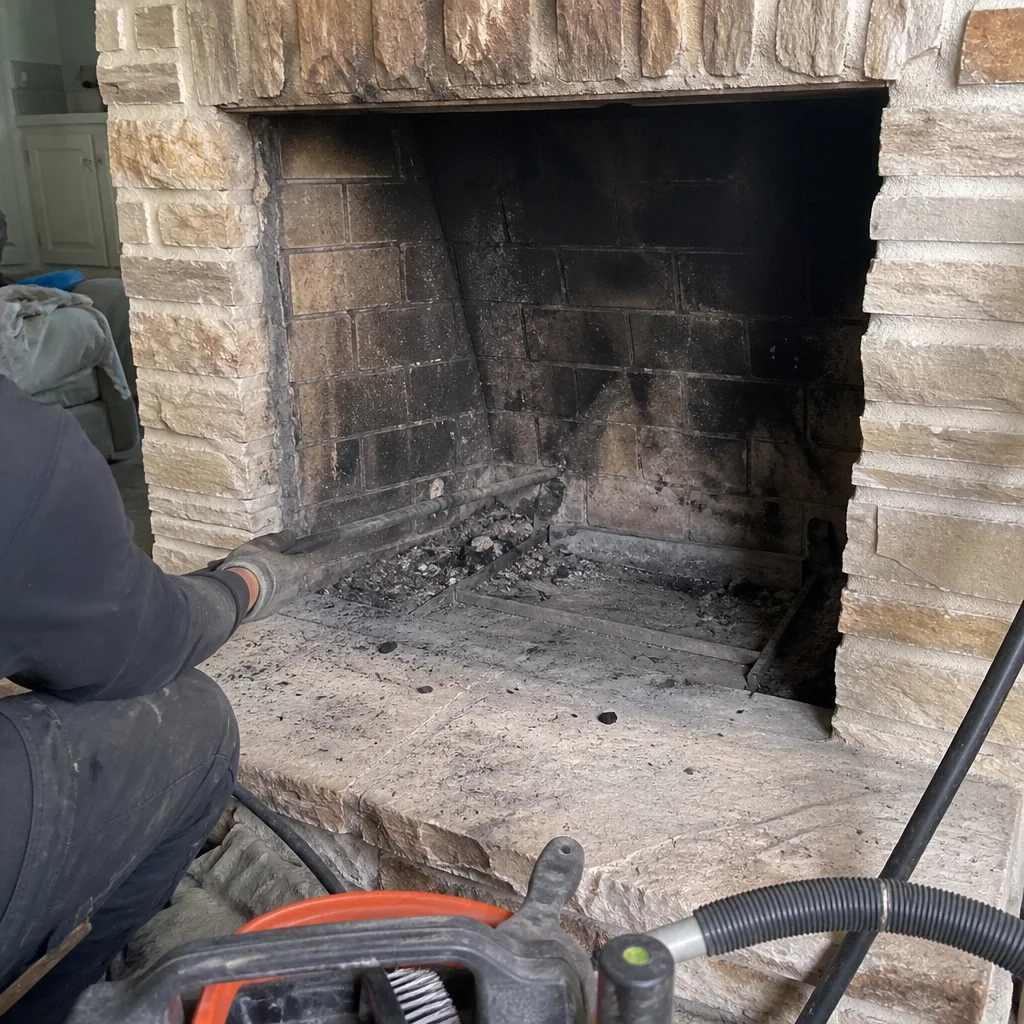
Chimney sweep logs do not sweep chimneys. They loosen some creosote - which then falls where a brush and vacuum still have to collect it.
Chimney Cleaning Permits, Codes & Inspections in The Woodlands, TX: What You Need to Know
Most chimney work in The Woodlands needs no permit at all. That’s the part homeowners expect to hear. The part that surprises them is the other half: routine sweeping is maintenance, but the moment a technician opens a firebox for repair, replaces a liner section or modifies the flue, the job becomes code-regulated work that Montgomery County and The Woodlands Township both have a say in. Relining or structural chimney work done without the required mechanical permit isn’t only a code violation – it’s a material fact a Texas homeowner is legally obligated to disclose to a buyer. This guide walks you through where the permit line falls, how Township deed restrictions interact with county building codes, what a compliant inspection actually references, and how to check a contractor’s paperwork before anyone touches your chimney in The Woodlands.
Quick Answer
Routine chimney cleaning and a basic Level 1 inspection don’t require a permit in most Texas jurisdictions, including The Woodlands. Chimney repair, relining, firebox reconstruction or any modification to the flue or chase generally does require a mechanical or building permit through Montgomery County, and exterior changes must also clear The Woodlands Township’s deed restrictions. A compliant inspection follows the NFPA 211 standard, and that report is what documents whether prior work was permitted.
Styles & brands we work with
- Sweep & inspection
- Caps & crowns
- Flue relining
- Masonry repair
- Gas fireplace service
Table of Contents
- Where the Permit Line Actually Falls
- What Texas and Montgomery County Code Require
- How The Woodlands Township Deed Restrictions Fit In
- What a Compliant Inspection References: NFPA 211
- How to Verify a Contractor Pulled the Right Permit
- What to Do If You Find Prior Unpermitted Work
- The Insurance Consequence of Unpermitted Repair
- The Three Inspection Levels, Explained
Where the Permit Line Actually Falls
The distinction that matters most is between maintenance and modification. Cleaning is maintenance. Modification is construction. Texas treats them differently, and so does every permitting authority in the region.
Maintenance work that typically needs no permit in The Woodlands:
- Sweeping the flue of creosote and soot
- A visual Level 1 inspection of readily accessible components
- Replacing a chimney cap or spark arrestor with a like-for-like unit
- Removing a bird or squirrel nest from the flue
- Sealing a minor crown crack with appropriate masonry sealant
Work that generally requires a permit through Montgomery County:
- Installing, replacing or relining a flue liner
- Rebuilding a firebox or smoke chamber
- Removing or adding a chimney section
- Changing the flue’s diameter, height or termination
- Converting a wood-burning fireplace to a gas insert with a new vent
In our experience, the confusion usually lands on caps and chase covers. Swapping a cap for an identical one is routine. Cutting or modifying a chase cover, changing the chase profile or adding a chase-top assembly that alters the structure is not – that crosses into construction, and it often requires both a county permit and a check against The Woodlands Township’s architectural standards. When you book a chimney sweep, ask the technician to note in writing whether the work is maintenance or modification. That one sentence on the invoice is your documentation if questions come up later.
What Texas and Montgomery County Code Require
Texas doesn’t license chimney sweeps or chimney contractors as a distinct trade. That’s a real gap, and it shifts the verification burden to the homeowner. What the state does do is require that permitted work meet adopted building codes, and Montgomery County enforces those codes through its permitting office for unincorporated areas and through The Woodlands Township for work inside the township’s jurisdiction.
The core requirements that apply to chimney work:
- Permit before work, not after. Montgomery County requires a mechanical permit for liner replacement and flue modification, and the permit must be pulled before the first tool goes in.
- Contractor registration. Contractors doing permitted work need to be registered with the county and carry general liability coverage. Ask for the certificate.
- Code adoption. The county works from an adopted edition of the International Residential Code, which incorporates NFPA 211 by reference for chimneys and vents.
- Inspection sequence. Permitted chimney work typically requires a rough-in inspection before the liner or firebox is enclosed, plus a final inspection after completion.
- Documentation at closing. Any permitted work leaves a record with the county. That record is what a buyer’s inspector will check.
If you’re east of I-45 in the older sections of The Woodlands, your property may sit in an area where the permitting authority is unambiguous: Montgomery County. If you’re in a section that straddles the Harris County line, verify which county’s permitting office holds the record before assuming. The division matters when a title company requests a permit history. In our experience, the fastest way to resolve ambiguity is to ask the permitting office directly, with your address in hand, and get the answer in writing.
How The Woodlands Township Deed Restrictions Fit In
The Woodlands operates under a set of deed restrictions that predate most of its housing stock, and those restrictions sit on top of county building code rather than replacing it. You have two layers to clear, not one.
Where deed restrictions most often affect chimney work:
- Exterior appearance. A relined flue itself doesn’t show. A new stainless liner terminated at the top of the chase leaves a visible cap and terminal – and the restriction addresses visible exterior changes.
- Chase cover modification. Changing the profile or color of a chase cover is an exterior alteration under The Woodlands standards, and it usually needs written approval before installation.
- Chimney removal or reduction. Removing a chimney stack alters the roofline, and that’s almost always a modification requiring approval on top of a county permit.
- Additions and conversions. Adding a wood stove or converting a fireplace to a freestanding unit changes the chimney’s exterior footprint and appearance.
- Material substitution. Replacing custom masonry with a different material on the exterior is a design change under the restrictions, not a repair.
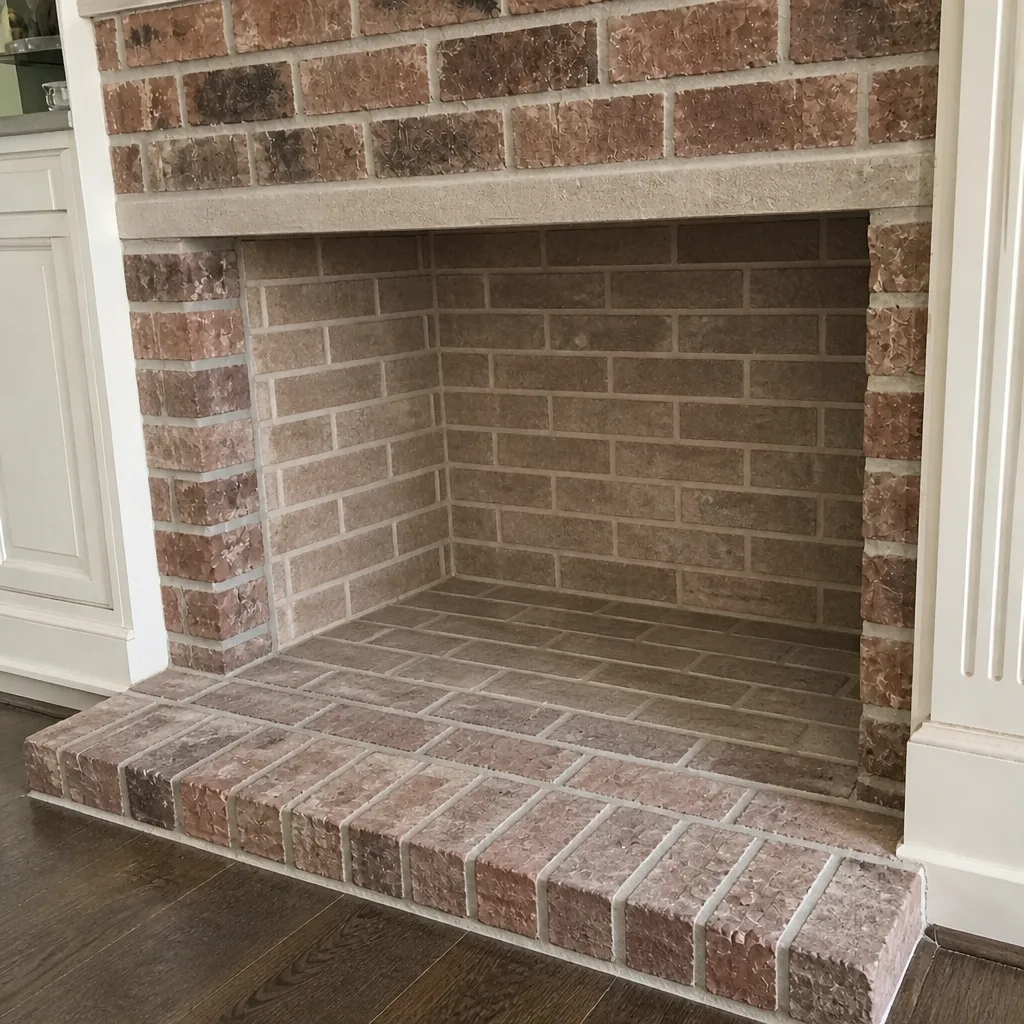
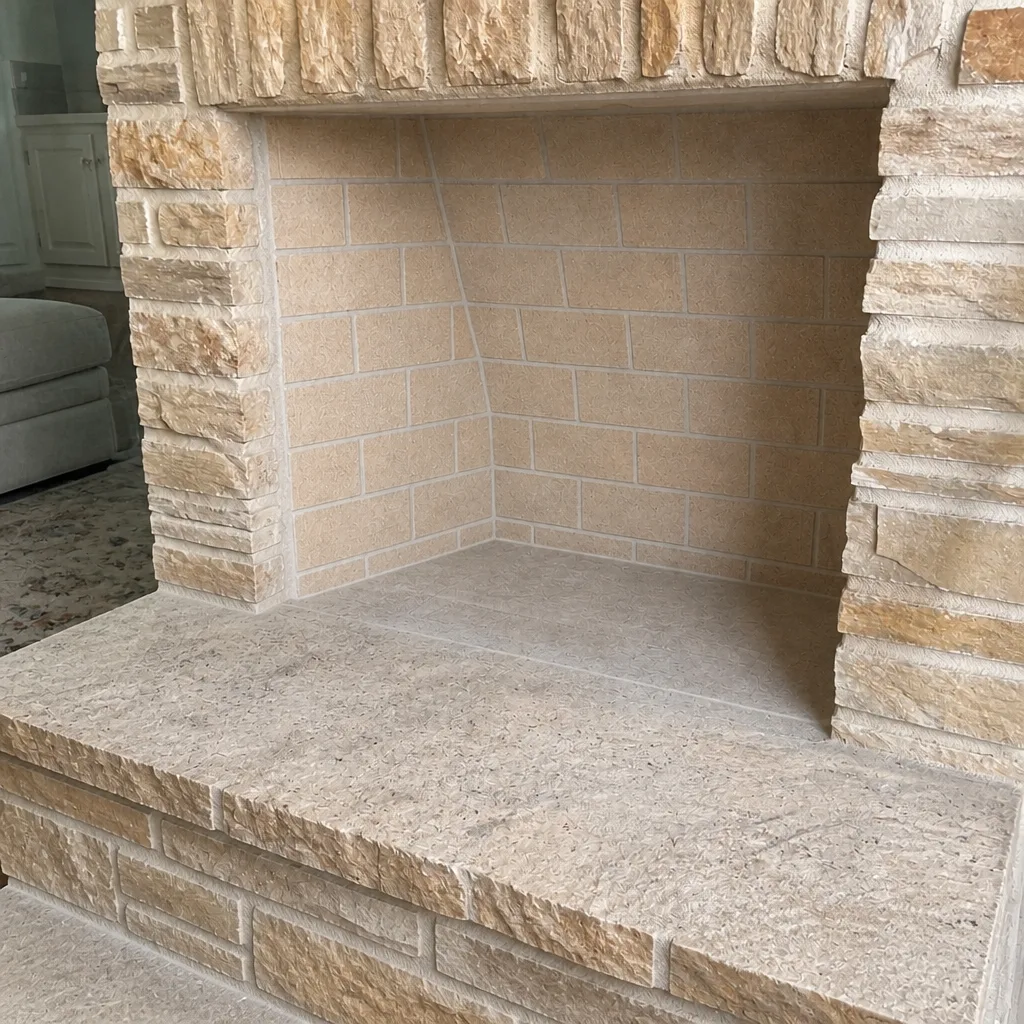
Interior work – liner replacement, firebox resurfacing with a system like HeatShield, damper work – typically doesn’t trigger the Township’s architectural review because nothing changes on the outside. The overlap is the chase top and anything visible from the street. If your repair involves the cap, the chase cover or the top of the stack, get the county permit first, then confirm the Township’s architectural approval, then book the work. Getting that order wrong is common. It’s also fixable, but only before the work is done.
What a Compliant Inspection References: NFPA 211
NFPA 211 is the national standard for chimneys, fireplaces, vents and solid-fuel-burning appliances. It’s the baseline Texas inspectors use, and a compliant inspection report should cite it explicitly. A report that doesn’t reference NFPA 211 is a checklist, not an inspection.
What a proper report documents when it cites the standard:
- Flue condition and integrity. Cracks, gaps, spalling and evidence of a previous chimney fire. The standard defines what constitutes a failing liner.
- Clearances to combustibles. The required clearance from the chimney to framing and other combustible materials, and whether the installed assembly meets it.
- Crown and flashing. Condition of the crown, the presence of a proper overhang, and whether the flashing is correctly installed against the roof.
- Draft and venting. Measured or observed draft performance and whether the chimney is properly sized for the appliance.
- Cap and top termination. Whether the cap meets the standard’s requirements and whether the flue termination is at the correct height above the roof.
The most useful part of a NFPA 211 report is the defect list with a recommended action for each item. That’s what your lender or buyer’s inspector will read. A report that says only “chimney appears in good condition” isn’t compliant, because the standard requires documenting what was inspected and how much of it was accessible. When a technician can’t reach a section of the flue, the standard requires listing it as inaccessible – not assuming it’s fine. Our chimney inspection protocol does exactly that: every accessible and inaccessible section is named. Repairs use trade-grade materials – DuraFlex stainless liners, HeatShield resurfacing, Olympia Chimney components – so the installation matches what the standard requires.
How to Verify a Contractor Pulled the Right Permit
Pull the permit record yourself. It takes about ten minutes and closes the biggest gap in the process.
- Get the permit number in writing before work starts. Ask for it on the estimate or the contract, not in a phone conversation. If they can’t provide it, ask why.
- Look up the record. Montgomery County maintains an online permit search. Search by address, then confirm the permit type matches the work – mechanical for liner and flue work, not plumbing or electrical.
- Confirm the contractor named on the permit is the one doing the work. Some companies pull permits under a different entity or subcontract the permitted portion. That’s a coordination problem when the inspection fails.
- Check the contractor’s registration and insurance certificate. The county can provide registration status. The insurance certificate should name the county or the property owner as the certificate holder if required.
- Confirm the inspection is scheduled. The permit isn’t closed until the final inspection passes. Ask who schedules it and confirm the closeout documentation will be sent to you.
- Keep the signed-off permit and the inspection report with your home records. This documentation is what you hand to a buyer, a title company or your insurer later.
One thing to watch for: a contractor who says chimney work “never needs a permit.” For a basic cleaning, that’s true. For a reline, it isn’t. That distinction is the whole difference between a compliant job and one you’ll be disclosing later. If you’ve already had a sweep done and now you’re considering chimney repair, ask before the work is scheduled, not after.
What to Do If You Find Prior Unpermitted Work
Texas real estate disclosure rules require you to disclose known material defects to a buyer. Unpermitted chimney work that doesn’t meet code is a material defect. When you discover it during a purchase, the options depend on the state of the work and the lender’s posture.
The realistic sequence:
- Document it. Commission a Level 2 camera inspection before closing. The report is the record of what exists, and you want it dated before the purchase is finalized.
- Ask the county whether a permit was ever pulled. If the work was done without a permit, the county record will show nothing. In some cases the county may allow a late permit with an inspection, but the process depends on the age and type of the work.
- Determine whether the work is safe and code-compliant or not. That’s a professional judgment, not a home inspector’s call. A camera inspection through the flue will show whether a liner was installed correctly or improvised.
- Get a written estimate for correction. If the work fails code or the liner isn’t continuous, you have a documented cost to negotiate into the purchase – not a generic “chimney issue.”
- Decide whether to require correction before closing or factor it into the price. Both are valid. The important part is that your buyer-side documentation is specific enough that the seller can’t push back.
- If you’re already the owner, correct it now. Bringing old work into compliance with a properly permitted repair prevents a disclosure problem when you eventually sell.
In The Woodlands, we’ve seen the issue most often on homes with a prior reline done without a permit, and on chase covers replaced with a non-standard material. Neither is catastrophic if corrected. Both become problems in a sale if they’re left undocumented. The key is finding out early, not discovering it at closing.
The Insurance Consequence of Unpermitted Repair
Homeowners insurance carriers use permit records during a chimney fire investigation. That’s the part homeowners often don’t know until it matters. When a claim is filed for a chimney fire, the carrier’s adjuster will pull the permit history on the property, and unpermitted repair work becomes an avenue for the carrier to deny or reduce the claim.
What the carrier looks at:
- Whether the work that contributed to the fire was permitted. A liner installed without a permit and without inspection is a documented gap in the chain of compliance.
- Whether the contractor was registered and insured. An unregistered contractor is a red flag in the claim file.
- Whether the installation matched code. If the liner wasn’t installed to NFPA 211 and the adopted mechanical code, the carrier has grounds to argue the installation itself was the cause.
- Whether the homeowner performed ongoing maintenance. A current Highpoint Chimney Sweep inspection report with a recent cleaning date supports the claim rather than undermining it.
None of this means every unpermitted chimney will produce a denied claim. It means unpermitted work gives the carrier a documented reason to investigate further, and that’s not a place you want to be after a fire. The clean solution is the same on every chimney: permit the work if the code requires it, have it inspected, keep the record, and use a contractor who puts the installation in writing. A sweep is the starting point – it isn’t the finish line.
The Three Inspection Levels, Explained
NFPA 211 defines three inspection levels, and which one you need depends on what’s happening with the chimney. Knowing the difference prevents paying for a Level 3 you don’t need – or buying a Level 1 you’ll have to repeat.
Level 1 is the routine inspection. It covers readily accessible portions of the chimney – the firebox, damper area, visible flue, the exterior above the roof – with a visual look, no camera. It’s what accompanies an annual cleaning when the appliance and fuel type haven’t changed.
Level 2 adds a camera inspection of the entire flue, top to bottom, plus accessible attics and crawl spaces. It’s required when a property changes hands, when an appliance changes (wood to gas, for example), after an operating malfunction, or when a Level 1 turns up a concern that needs a closer look. For any home purchase in The Woodlands, Level 2 is the right call.
Level 3 is the invasive inspection. It’s warranted when a Level 1 or 2 identifies a hidden hazard that can’t be assessed any other way – which may mean opening a wall or removing part of the chimney’s exterior. It’s rare. It’s also the level that most often reveals unpermitted prior work, because removal exposes what a camera can’t see.
The practical sequence in The Woodlands: Level 1 with your annual sweep, Level 2 before you buy or sell, Level 3 only when a specific concern requires opening the assembly. Every level produces a written report that references NFPA 211, and each level’s report is more useful to a title company or insurer than a verbal summary. If you’re relining the chimney, the county’s inspection sequence replaces some of the Level 3 function – the rough-in inspection is the moment the county sees the assembly before it’s closed. That’s precisely why the permit matters. A permitted job gets an inspection you didn’t have to arrange.
Common Mistakes to Avoid
- Assuming “chimney work” is one category. Cleaning and relining sit on opposite sides of the permit line. Ask which one your job is before you book.
- Letting a contractor start before the permit is issued. A permit pulled after the work is done is a violation with extra steps. Get the number in writing first.
- Ignoring The Woodlands Township deed restrictions on chase cover changes. The county permit and the Township approval are two different things. A new chase cover that looks fine needs both.
- Accepting a verbal inspection report. A NFPA 211 report is in writing, references the standard, and lists what was inaccessible. A verbal “looks good” isn’t a report.
- Not pulling the permit history before a purchase. It’s free and it takes ten minutes. Skip it and you’re buying whatever is on the roof.
- Using a nonstandard cap or an improvised chase cover fitting. Gelco and Famco caps are purpose-engineered components; a hardware-store cap that isn’t sized to the flue can create its own code problem.
- Waiting on a failing liner because the fireplace still draws. A liner can partially fail and still seem to work. The draft test isn’t the integrity test. The camera is.
See the difference
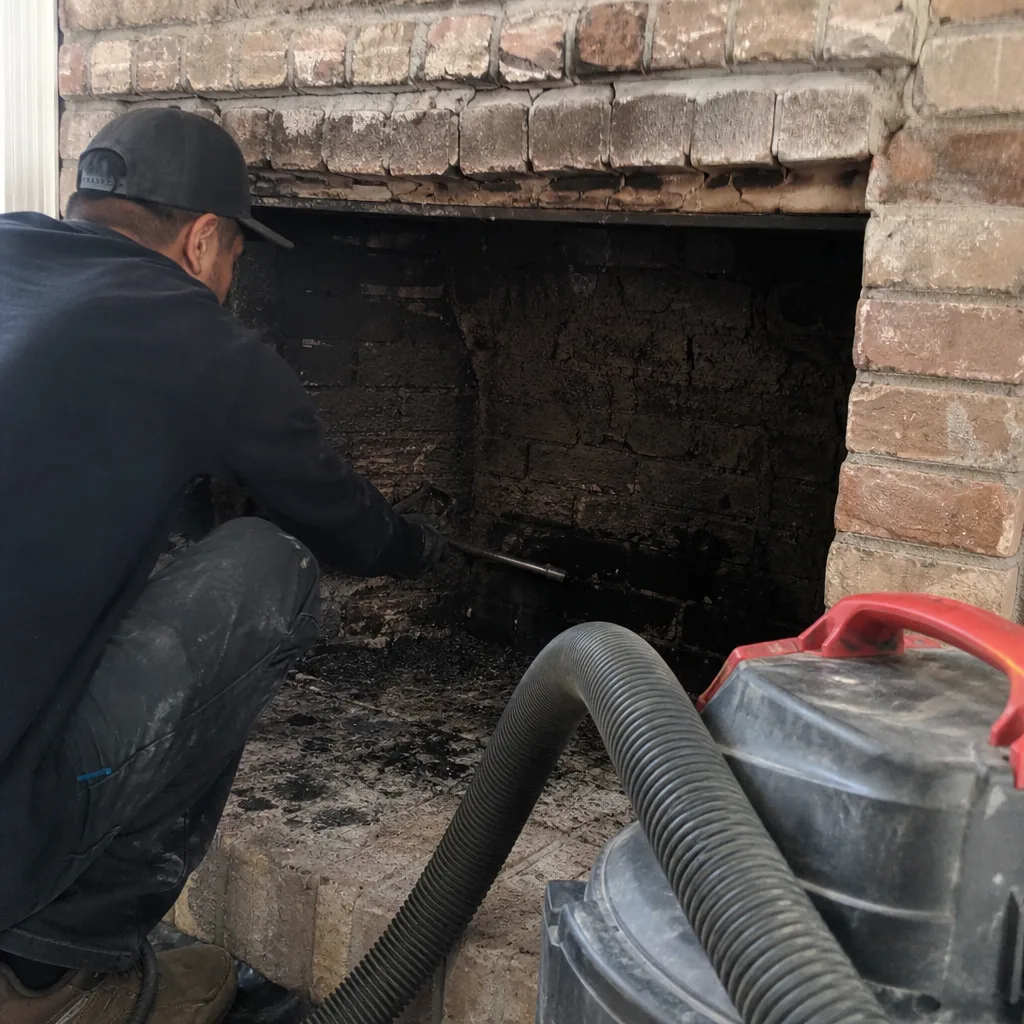 Before
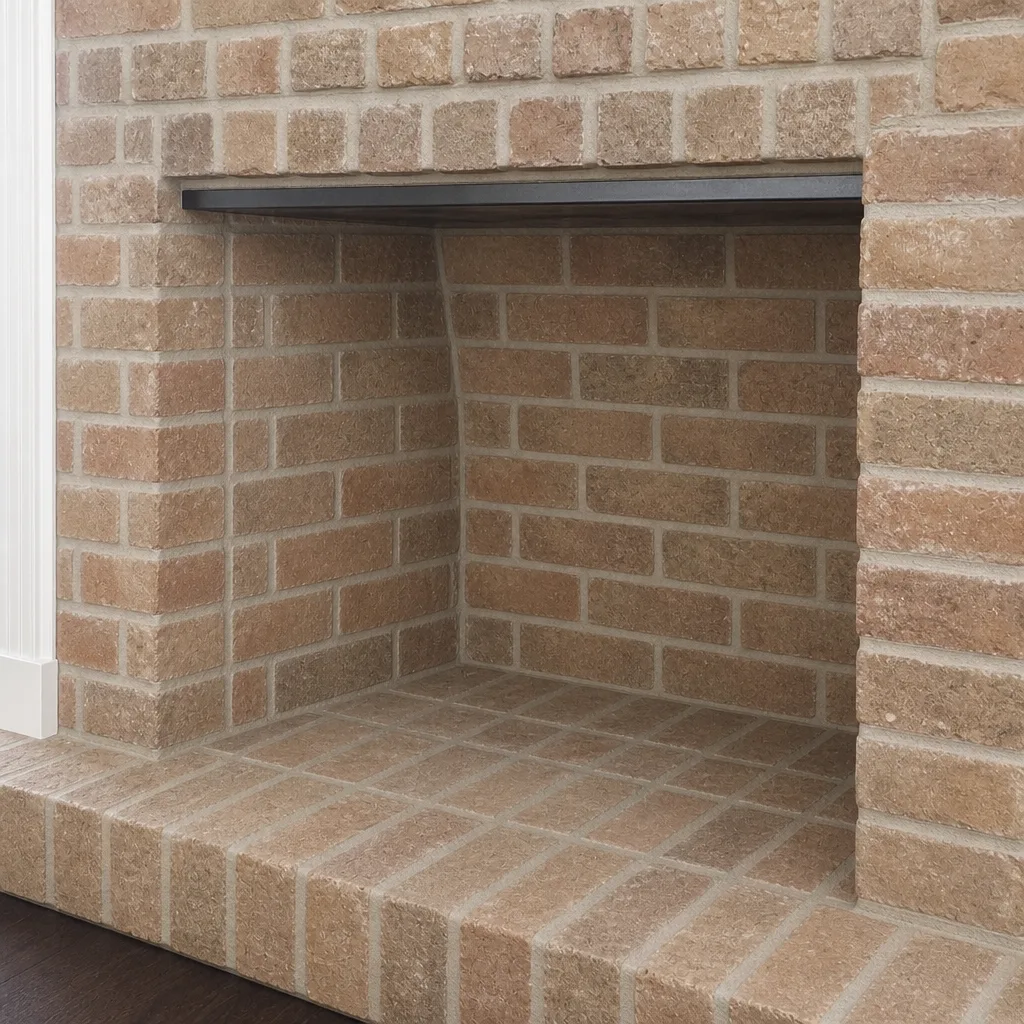 After
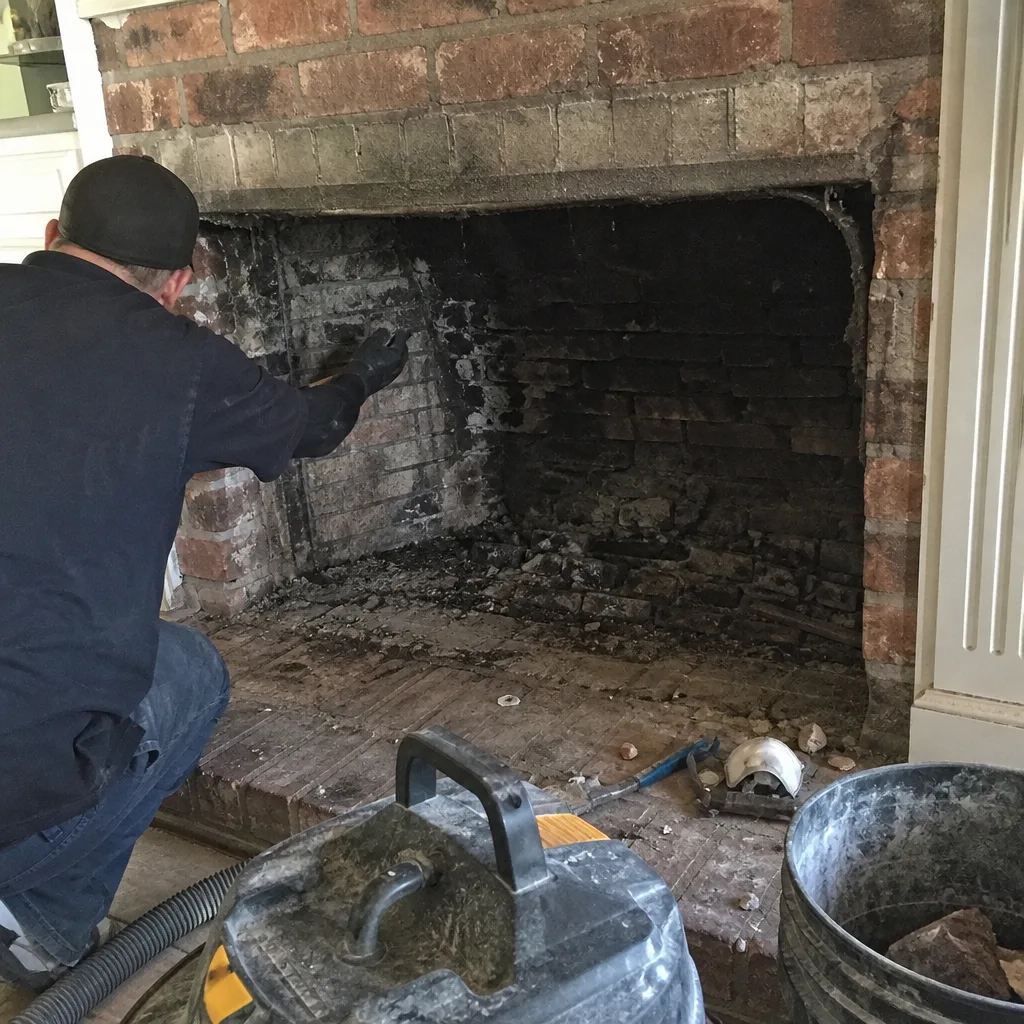 Before
 After
 Before
 After
When to Call a Professional
Call a professional when any of these apply: your annual sweep is due and you haven’t had the flue inspected this year; you’re buying or selling a home in The Woodlands and need a Level 2 camera inspection before closing; you’re considering a reline or firebox repair and need the permit question answered before scheduling; your chimney cap or chase cover is damaged and you’re not sure whether the replacement is maintenance or modification; you’ve discovered prior work without documentation and need to know whether it’s safe; or you’ve had a chimney fire and need a post-fire assessment to establish what’s repairable. Highpoint Chimney Sweep offers free estimates in The Woodlands – call (844) 320-3258. We inspect, quote the repair and complete permitted work with a single point of contact from start to closeout.
Frequently Asked Questions
No. Routine chimney cleaning and a Level 1 visual inspection are maintenance and don’t require a permit in The Woodlands or unincorporated Montgomery County. A permit becomes necessary when the work involves relining, firebox repair, flue modification or any structural change to the chimney. Call (844) 320-3258 for an exact quote on your job – estimates are free.
Yes, in general. A liner replacement is mechanical work under the adopted code and typically requires a mechanical permit through Montgomery County before the new liner is installed. The permit also triggers a rough-in inspection that documents the liner before it’s covered. Skipping that step leaves you with a compliance gap the next buyer’s inspector will find.
A NFPA 211 report documents the flue condition, clearances to combustibles, crown and flashing condition, draft performance, and the cap and termination, and it explicitly names any section of the chimney that was inaccessible. It’s a written record, not a verbal summary. If you’re selling or buying, that written report is what a title company or insurer will read.
Ask for the permit number in writing before work starts, then look it up on the county’s online permit search by address. Confirm that the permit type matches the work and that the contractor named on the permit is the one doing the job. If the record doesn’t exist, the permit wasn’t pulled.
An annual inspection is the baseline, and cleaning frequency depends on how much you burn. Wood-burning fireplaces in heavy use often need a sweep every year; gas inserts may stretch further between cleanings. The inspection tells you when the creosote buildup warrants a sweep. Call (844) 320-3258 for an exact quote – estimates are free.
Document it with a Level 2 camera inspection, check the county permit record, and get a written estimate for correction. If the seller failed to disclose known unpermitted work, that’s a disclosure issue under Texas rules, and the documented repair cost is your basis for negotiation. Bring the work into compliance with a properly permitted repair, then keep the documentation. We can help you assess what needs correcting and what can safely wait.
The Bottom Line
Most chimney cleaning in The Woodlands needs no permit, and most chimney repair does. That line is the one to know before you hire anyone: maintenance stays on your side of it, and construction work is where the county and The Woodlands Township both get involved. A NFPA 211 report is your record of what was done and by whom, and the permit history is the record your insurer will check if a fire ever happens. Neither is hard to manage when the work starts with a proper inspection. When you’re ready for an honest assessment of your chimney – what needs fixing now and what can wait – call (844) 320-3258 for a free estimate. We answer 24/7, with fast dispatch from 7am to 7pm, Sunday through Friday. Our technicians have up to 12 years of experience, and we name what we install, from DuraFlex liners to HeatShield resurfacing to Gelco caps. Explore more about how we work in The Woodlands and let’s get the chimney right.
Written by the team at Highpoint Chimney Sweep.